
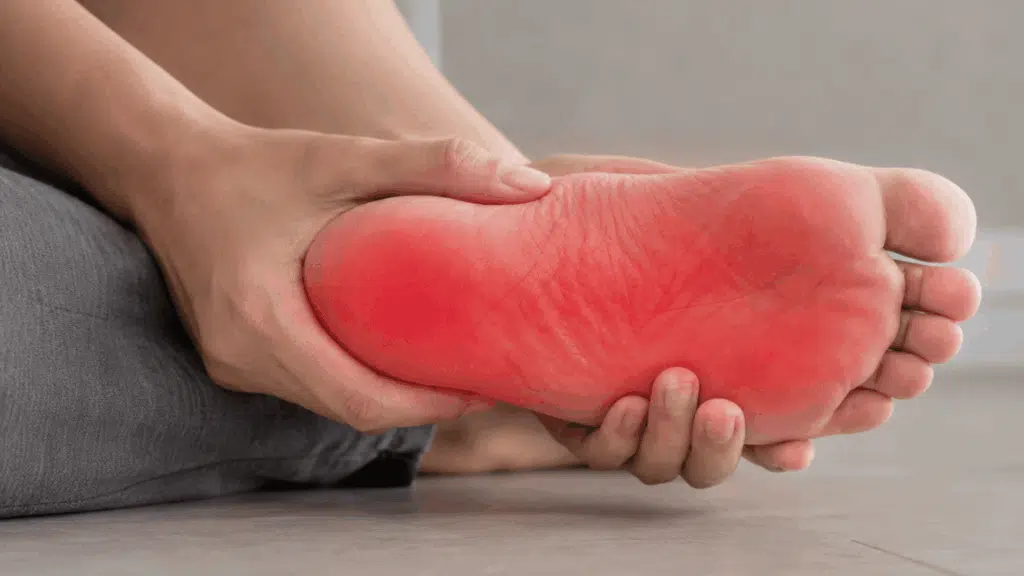
Do your feet feel unusually hot or burning when you lie down at night?
Nighttime warmth can interrupt sleep and may come from heavy bedding, daily foot strain, nerve irritation, poor circulation, vitamin deficiencies, diabetes or other health concerns.
Mild warmth often improves after cooling the room or uncovering your feet, but repeated burning, tingling, numbness, or pain deserves closer attention.
This blog explains common causes, symptoms, cooling methods, warning signs, testing, and treatment options based on the underlying issue.
Keep reading to learn what may be causing your hot feet and how to sleep more comfortably tonight with practical guidance.
The Truth About Hot Feet at Night
Before looking at specific causes, it helps to understand that “hot feet” can describe different sensations.
Some people notice mild warmth under the blankets, while others experience burning, tingling, or discomfort that affects sleep.
The feeling may come from normal changes as the body prepares for rest, from daily strain on the feet, or from underlying health conditions affecting nerves and circulation.
Identifying the type of sensation, when it appears, and whether other symptoms occur can help determine whether it is harmless or needs further attention.
Why Do My Feet Get Hot at Night?

Hot feet at night usually result from normal temperature changes or from factors affecting the nerves, blood flow, and overall health. Understanding the difference between these causes can help explain your symptoms.
1. Normal Body Temperature Regulation
Before sleep, the body naturally begins lowering its core temperature to prepare for rest. During this process, blood vessels in the hands and feet widen, a process known as distal vasodilation.
This increased blood flow moves heat toward the extremities, which can make the feet feel warmer at night.
For many people, this sensation is temporary and disappears once the body adjusts. If the feet feel warm but there is no burning, pain, tingling, or numbness, it is usually considered a normal part of the sleep process.
Understanding your body’s nighttime cooling process can also help explain why some people get hot when sleeping at night.
2. Vitamin Deficiencies
Low levels of vitamin B12 and other B vitamin deficiencies can affect healthy nerve function, according to NIH.
The sensation may develop gradually and is often accompanied by tingling, numbness, muscle weakness, or balance problems.
Identifying a nutritional deficiency through medical testing and correcting it with proper treatment may help reduce symptoms over time.
Eating a balanced diet also supports healthy nerves and may lower the risk of future deficiencies.
3. Poor Blood Circulation
Circulation problems can sometimes contribute to burning or uncomfortable feet, especially if they occur with diabetes or vascular disease.
Reduced or altered blood flow may affect how temperature is sensed in the feet and can occur alongside swelling, cramping, skin discoloration, or heaviness in the legs.
Circulation issues are more common in older adults and people with heart disease, a smoking history, or vascular conditions.
Treating the underlying circulation problem may help reduce discomfort and improve overall foot health. People with circulation problems may also benefit from learning about the best sleeping position for peripheral artery disease.
4. Footwear and Daily Foot Strain
Spending long hours standing, walking, or wearing tight, poorly ventilated shoes can leave the feet feeling hot by bedtime.
Heat, friction, and repeated pressure may build up throughout the day, making discomfort more noticeable while resting.
Choosing breathable footwear, allowing the feet to cool after activity, and avoiding overly tight shoes may help reduce nighttime warmth and irritation.
Regular stretching and giving the feet enough time to recover can also improve overall comfort.
How to Cool Down Hot Feet at Night
Simple changes can help reduce hot feet at night and make sleeping more comfortable. Small adjustments to bedtime habits, cooling methods, and daily foot care may help manage discomfort.
- Keep Your Feet Cool While Sleeping: Keeping your feet outside the blanket, using lightweight bedding, and avoiding thick socks can help prevent heat buildup. A cooler bedroom temperature and breathable fabrics may also improve airflow and keep your feet comfortable throughout the night.
- Use Gentle Cooling Methods: A cool-water soak before bedtime may help ease uncomfortable sensations. Other options include placing a fan near your feet, wearing chilled socks, or keeping a cool water bottle nearby. Avoid placing ice directly on your skin, as extreme cold may irritate sensitive tissues.
- Take Care of Your Feet During the Day: Wearing supportive shoes with enough toe room can reduce pressure and irritation. Stretching your feet, taking breaks from standing, and gently massaging them may improve comfort and prevent nighttime discomfort from becoming worse.
Following a consistent bedtime routine, such as the ultimate night routine for better sleep, may also improve overall sleep quality.
What Does Hot Feet at Night Feel Like?
People experience hot feet at night in different ways. Some notice mild warmth, while others feel burning, tingling, or discomfort that affects sleep.
| If You Feel | It May Be Related To |
|---|---|
| Warm feet under blankets | Normal temperature regulation as your body releases heat before sleep. |
| Burning sensation in the soles | Nerve irritation or conditions like peripheral neuropathy. |
| Pins and needles feeling | Possible neuropathy or other nerve-related conditions. |
| Need to move your feet often | Restless legs symptoms that become stronger when lying still. |
| Itching and burning together | Skin irritation, fungal infections, or other foot-related conditions. |
| Hot feet with numbness | Possible nerve problems that may need medical attention. |
Noticing how your feet feel when the symptoms appear and whether they improve with cooling or movement can help identify the possible reason behind nighttime discomfort.
Can Burning Feet Syndrome Cause Hot Feet at Night?

Burning feet syndrome is a pattern of symptoms that can cause burning or hot-feeling feet at night.
The discomfort often becomes more noticeable during the evening because symptoms tend to worsen while the body is at rest.
Unlike the temporary warmth of normal body temperature regulation, Burning Feet Syndrome may cause burning pain, tingling, numbness, or heightened sensitivity that interferes with sleep.
It is often linked to peripheral neuropathy, diabetes, vitamin deficiencies, hypothyroidism, kidney disease, or other nerve-related causes.
If the sensation occurs frequently or becomes more severe over time, a healthcare professional can help identify the underlying cause.
Anecdotal Reddit Discussion About Hot Feet at Night
In a Reddit discussion about hot feet when trying to sleep, some users reported a strong internal burning sensation even when their feet felt normal to the touch.
One person shared that the feeling was different from typical restless legs because there was no urge to move, itching, or crawling sensation.
The discussion also highlighted that symptoms may worsen during stressful periods and can interfere with sleep for hours.
Some users mentioned using cooling methods, such as ice packs or keeping their feet uncovered, to get temporary relief.
These experiences show that nighttime hot feet can feel different for everyone and may not always match common restless legs symptoms.
Hot Feet at Night vs. Other Sleep-Related Problems
People often confuse hot feet with other nighttime conditions because the symptoms can overlap. This comparison can help you understand which condition your symptoms most closely resemble.
| Condition | Common Symptoms | Key Difference |
|---|---|---|
| Hot Feet at Night | Warm or burning feet, discomfort mainly in the feet, relief after cooling | Heat is mainly limited to the feet and may improve with cooling. |
| Restless Legs Syndrome (RLS) | Strong urge to move the legs, crawling, pulling, aching sensations | Movement usually relieves symptoms, while hot feet may not improve with movement alone. |
| Night Sweats | Sweating, feeling overheated, damp clothing, or bedding | Heat affects the whole body, not just the feet. |
| Peripheral Neuropathy | Burning, tingling, numbness, electric shock-like sensations | Symptoms often continue during the day and may gradually worsen over time. |
| Poor Sleep Environment | Feet feel hot only under heavy blankets or in a warm room | Symptoms improve after cooling the room or removing extra bedding. |
| Stress or Anxiety | Difficulty relaxing, racing thoughts, increased awareness of body sensations | Hot feet often become more noticeable during stressful periods and may improve with relaxation. |
If your feet feel warm only at bedtime and cool down after removing the blankets, it is often a normal part of sleep.
If the burning is persistent, accompanied by tingling or numbness, or accompanied by an urge to move your legs, it may be worth discussing your symptoms with a healthcare professional.
When Hot Feet at Night May Need Medical Attention
Occasional warmth in your feet at night is usually not a cause for concern. However, ongoing burning, pain, or discomfort should not be ignored.
Consider speaking with a healthcare professional if symptoms persist for weeks, disrupt your sleep, or worsen over time.
Watch for warning signs such as burning with tingling, numbness, weakness, swelling, open sores, or changes in skin color.
People with diabetes should pay extra attention because repeated hot or burning feet may be linked to nerve damage. Mild warmth without pain is often harmless.
But burning sensations combined with numbness or reduced sensation may require a more urgent medical evaluation to identify the underlying cause.
Disclaimer: This article is for informational and educational purposes only and should not be considered medical advice. If your symptoms are persistent, severe or accompanied by numbness, weakness, swelling or changes in skin color, consult a qualified healthcare professional for proper diagnosis and treatment.
How Doctors Find the Cause of Hot Feet
Doctors usually start by understanding your symptoms, medical history, daily habits, and existing health conditions.
They may ask about diabetes, thyroid problems, medications, or lifestyle factors that could affect your feet.
A physical examination may include checking your feet for skin changes, swelling, circulation problems, and changes in sensation. These checks help identify possible nerve or blood flow issues.
Depending on your symptoms, a doctor may suggest tests such as blood sugar tests, vitamin level checks, or nerve conduction studies.
These tests can help identify conditions such as nerve damage or nutritional deficiencies.
Identifying the underlying cause allows healthcare providers to suggest the right treatment instead of only reducing the discomfort temporarily.
Treatments for Burning or Hot Feet Depend on the Cause
Treatment depends on what is causing the hot or burning sensation. Managing the underlying issue is usually the most effective way to reduce symptoms and improve comfort.
| Cause | Possible Treatment |
|---|---|
| Neuropathy | Nerve pain management and medical care |
| Diabetes | Blood sugar control and monitoring |
| Vitamin deficiency | Correcting nutritional deficiency |
| Athlete’s foot | Antifungal treatment |
| Foot pressure | Better footwear and support |
The right approach depends on the individual cause, which is why persistent symptoms should be evaluated rather than treated only with home remedies.
Final Takeaway
Hot feet at night can range from a harmless warming sensation to a symptom of an underlying condition affecting the nerves, circulation, or overall health.
If you’ve been asking,why do my feet get hot at night, paying attention to your symptoms can help you decide when simple home care is enough and when medical advice is needed.
Small lifestyle changes may improve comfort, but persistent burning, tingling, or pain should not be ignored.
Have you experienced hot feet at night or found a remedy that works? Share your experience or questions in the comments below.
Frequently Asked Questions
Why Do Your Feet Get Hot Only at Night?
Feet may feel warmer at night because blood flow increases as the body prepares for sleep, but persistent burning may have other causes.
Are Hot Feet at Night a Sign of Diabetes?
They can be, especially if accompanied by burning, tingling, or numbness. Diabetes-related nerve damage may cause burning, tingling, or numbness in the feet, especially at night.
Can Restless Legs Make Feet Feel Hot?
Restless legs usually cause an urge to move, but people with RLS often describe an urge to move and uncomfortable sensations such as crawling, tingling, or burning.
Should You Sleep With My Feet Outside the Blanket?
It may help some people keep their feet uncovered to release heat and feel more comfortable.