

A built-in microwave is part of the kitchen’s daily rhythm, so a sudden failure can disrupt meals quickly. Because the unit sits inside cabinetry, repairs often involve more than a simple swap. Home warranties may apply when covered components fail from regular household use. The key is contract language, service history, and timing. Careful documentation helps owners move from guesswork to a clearer repair decision.
Coverage Basics
A built-in unit that stops heating, loses power, or shows control failure may qualify under a microwave home warranty if the cause is ordinary wear. Most plans focus on internal mechanical or electrical breakdowns. Cosmetic issues, improper use, and known defects are usually treated differently, so the written contract remains the deciding source.
Built-In Units Matter
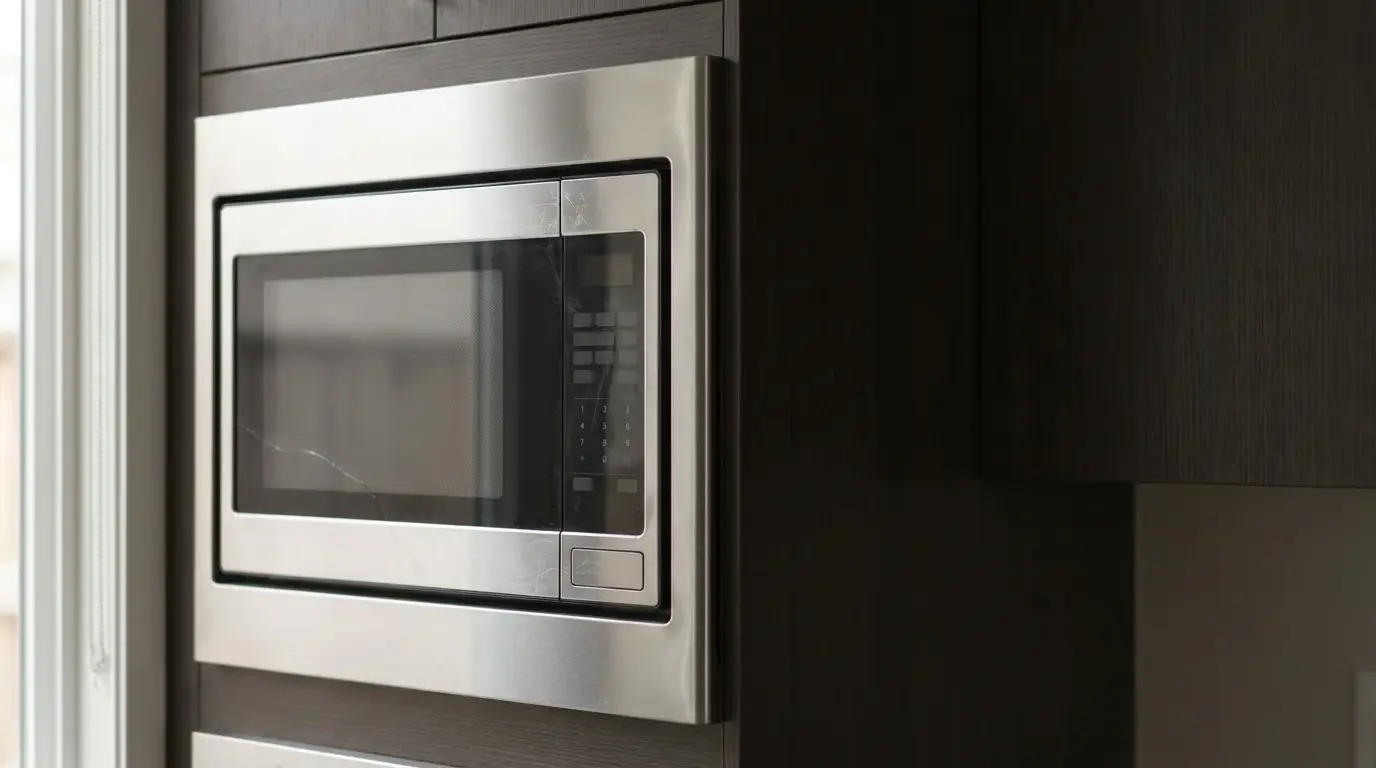
Built-in microwaves are harder to service than countertop models. A technician may need to remove trim, inspect cabinet clearances, or check nearby ventilation. Some units share space with wall ovens or custom panels. Those details can raise labor time and replacement difficulty. Coverage may soften that cost if the appliance is listed and the failure meets plan terms.
Common Covered Failures
Loss of heat is a frequent service complaint. Other covered issues may include a failed control board, broken latch switch, dead display, or turntable motor failure. Buzzing, arcing, or uneven heating can point to internal part strain. The provider usually relies on an approved technician’s findings before deciding whether repair qualifies.
Normal Wear
Warranty coverage usually centers on parts that fail after repeated use. Heating cycles place stress on switches, capacitors, relays, and related electrical components. Age alone does not guarantee approval, but it can support a wear-based diagnosis. Reviewers often look for signs of misuse, impact, poor care, or prior malfunction before authorizing service.
Common Exclusions
Most plans exclude cracked glass, damaged doors, missing parts, and failures linked to incorrect installation. Pest contamination, food fires, or visible abuse can also lead to denial. A pre-existing problem may be rejected if symptoms appeared before coverage began. If a manufacturer warranty still applies, that protection may need to be used first.
Claim Timing
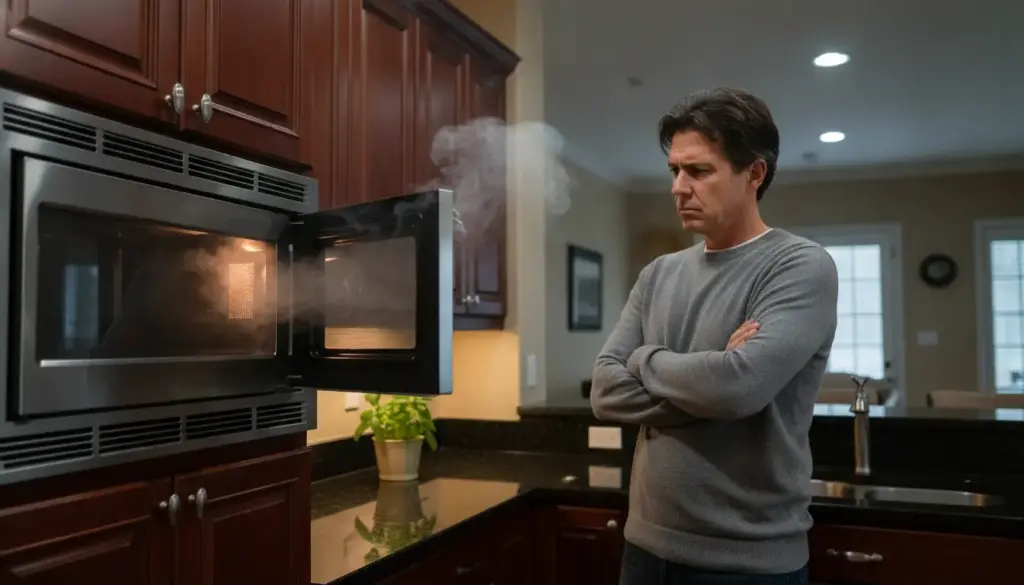
Prompt reporting matters. Owners should stop using the microwave if they notice sparks, burning odors, smoke, or latch trouble. Continued use can worsen internal damage and complicate claim review. A service request should include the model number, purchase details if available, symptoms, and the first date the issue appeared.
Service Fees
Most plans require a service fee for each visit. That charge is separate from the premium paid monthly or yearly. Contracts may also set caps for diagnosis, repair, replacement, or total appliance value. If the approved cost exceeds those limits, the owner may be responsible for the remaining balance.
Repair or Replacement
The technician’s report usually guides the next step. A door switch or turntable motor may be worth replacing. A failed magnetron in an older built-in unit can make replacement more practical. Cabinet size, trim compatibility, and model availability also matter. The provider may authorize repair, offer a replacement, or issue payment under contract rules.
Useful Records
Good records make claims easier to review. Receipts, installation notes, service invoices, photos, and model information can show the unit’s condition before failure. Maintenance history may also help if poor care is questioned. Keeping the warranty contract nearby is equally useful, especially sections covering limits, exclusions, and approved service procedures.
Home Insurance Difference
Home insurance and warranties solve different problems. Insurance usually addresses sudden covered events, such as fire, storm damage, or certain electrical incidents. A warranty is more often tied to appliance failure from regular use. If a microwave stops working after a surge, leak, or accident, both policy types may need review.
Before Buying Coverage
Before choosing a plan, owners should read the appliance section closely. Important terms include built-in microwave eligibility, waiting periods, service fees, repair caps, replacement rules, and contractor requirements. Exclusions deserve equal attention. A useful plan should match the kitchen’s actual equipment, local repair costs, and the owner’s tolerance for surprise expenses.
Conclusion
Built-in microwave failure can create a practical and financial headache, especially when cabinetry, trim, and electrical parts are involved. A home warranty may help if the unit is covered, the breakdown comes from normal wear, and the claim follows contract rules. Early reporting, careful records, and clear plan review give owners the strongest path to a fair service decision.