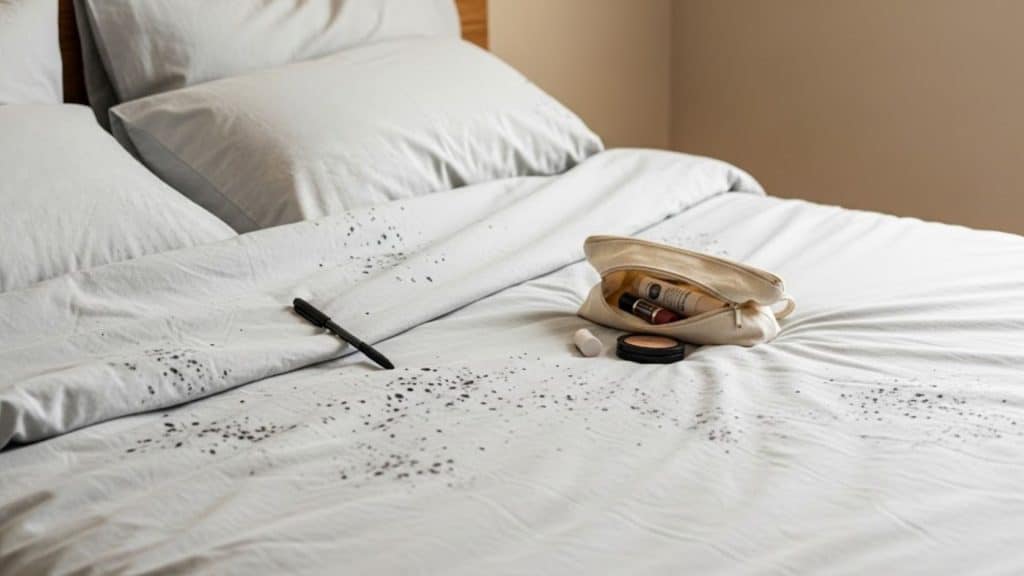
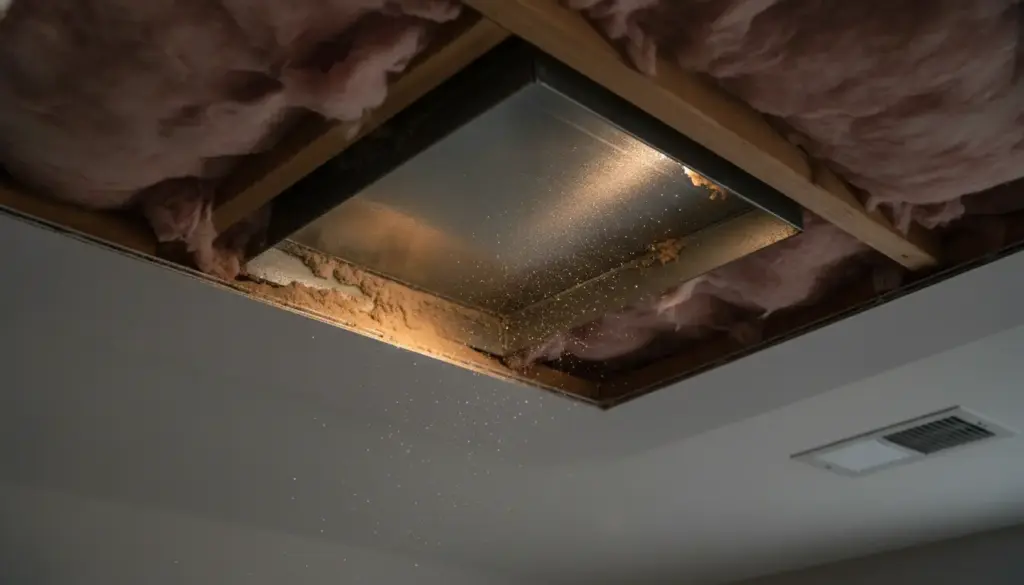
Indoor air can appear clear while carrying fine dust, skin cells, pollen, pet dander, fibers, and moisture through concealed duct runs. Because ducts sit behind ceilings, walls, and attic spaces, problems often remain hidden until breathing comfort, odor, or room balance changes. A careful inspection gives our homes useful evidence about airflow, cleanliness, and contamination sources, helping explain why certain rooms feel stale, dusty, or irritating after system cycles.
Hidden Dust Patterns
In desert homes, fine particles settle inside supply lines, return chases, and vent boxes faster than many occupants expect. Professional air duct inspections in Las Vegas can identify whether residue is normal surface dust, heavy buildup, or material pulled through leaks near attics. That evidence helps connect recurring particles on counters, bedding, shelves, and floors with the duct system serving our living areas.
Filter Clues
A dirty filter can tell a larger story than missed replacement. Heavy loading may point to strong particle movement, return-side leakage, or poor rack fit. If dust slips around the filter frame, unfiltered air can enter the blower compartment. During inspection, filter wear can be compared with vent residue, pressure changes, and indoor symptoms.
Mold Warning Signs
Moisture inside ducts needs prompt attention because damp surfaces support biological growth. Dark spotting, musty odor, wet insulation, or staining around registers may suggest condensation or humidity trouble. These findings do not diagnose illness, yet they mark areas that may need sampling, drying, or repair. Early action protects both respiratory comfort and building materials.
Leaks and Gaps
Even small duct openings can pull air from attics, garages, crawl areas, or wall cavities. That movement may bring insulation fibers, soil dust, vehicle fumes, or stale odors into occupied rooms. Pressure loss also weakens delivery at vents. An inspection can reveal loose collars, split flex duct, separated joints, crushed sections, or failed mastic.
Uneven Airflow
Rooms that stay hot, cold, or stuffy may have restricted branches, poor return paths, or disconnected duct sections. Low airflow can allow airborne particles to linger near breathing zones. Excess flow in another room may create noise and temperature swings. Inspectors measure delivery, compare returns, and trace duct layout to locate the imbalance.
Pest Evidence
Ductwork sometimes shows insects, rodent marks, nesting material, or droppings. These findings matter because pest residue can carry allergens, odor compounds, and irritants through supply air. Torn duct jackets, loose grilles, or open connections may provide entry points. Inspection photos help guide sealing, cleaning, and pest control before affected air keeps circulating.
Renovation Debris
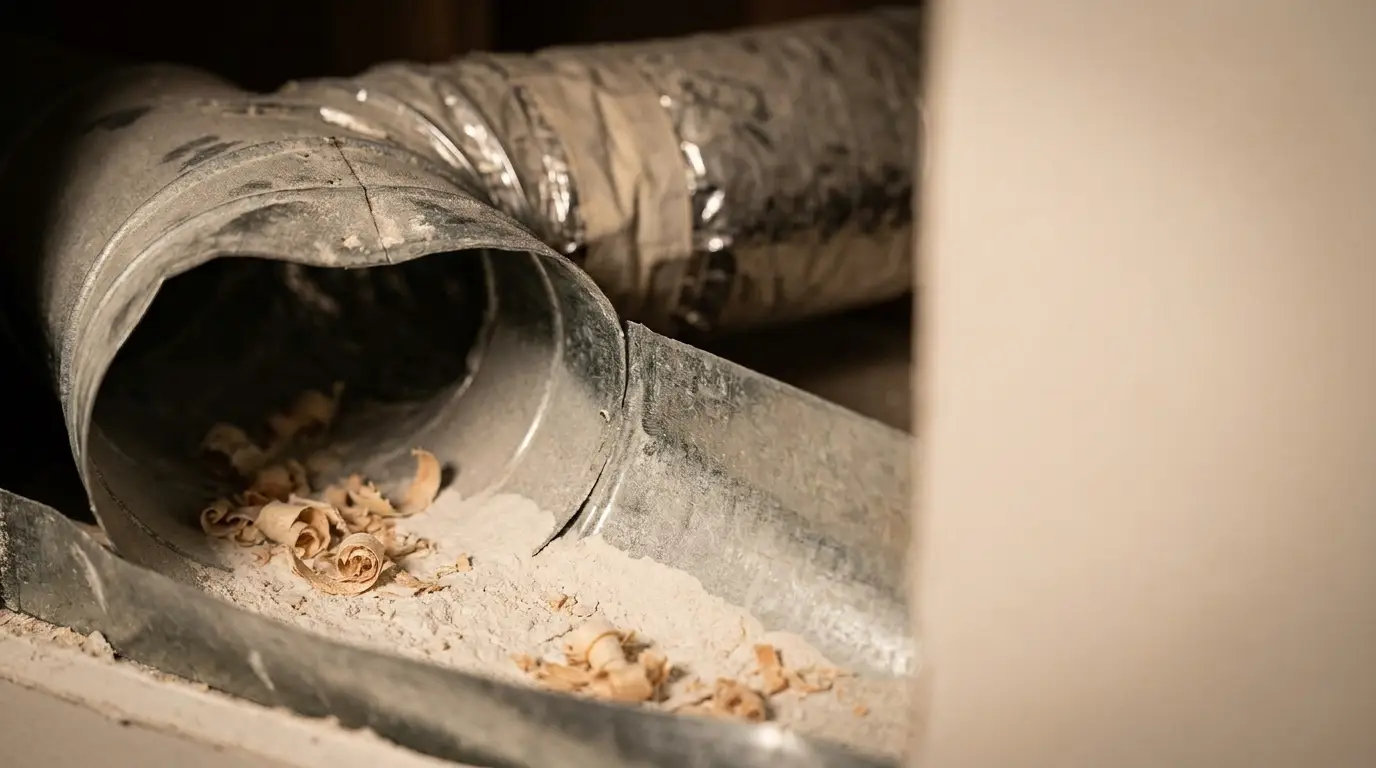
Remodeling can push fine debris into vents despite careful cleanup. Drywall dust, sawdust, paint residue, and insulation fragments may collect inside nearby branches. After construction, an inspection can show whether particles reached the duct system. This check is useful before extended heating or cooling, since airflow can distribute leftover material across multiple rooms.
Odor Sources
Persistent odor often travels through ducts before the original source becomes clear. Smells may come from damp dust, microbial growth, pest activity, overheated debris near components, or stagnant air in unused runs. Inspection work narrows the likely source area. Better location details reduce guesswork and help separate duct concerns from plumbing or appliance issues.
Energy Use Clues
Air quality concerns often overlap with rising utility costs. Leaky ducts, blocked returns, dirty coils, and clogged components make equipment run longer than necessary. Longer runtime can move more particles through rooms and worsen dryness or humidity imbalance. A duct review can connect comfort complaints, filtration strain, and system efficiency in one practical assessment.
What Homeowners See
Several household signs suggest ducts deserve attention. Dust returns quickly after cleaning. Vents produce musty or stale smells. Certain rooms never feel balanced. Allergy symptoms may seem stronger indoors. Utility bills may rise without obvious cause. None of these clues proves one problem, yet each gives inspectors a useful starting point for checking airflow, leakage, debris, and moisture.
Inspection Frequency
Many homes benefit from duct inspection every three to five years. Earlier review may be wise after remodeling, water intrusion, pest activity, home purchase, or major comfort changes. Pets, smoking, heavy dust exposure, or chronic respiratory sensitivity can justify closer monitoring. The best schedule reflects actual conditions inside the home, not a calendar alone.
Conclusion
An inspection can show how hidden ducts influence the air people breathe every day. It may reveal dust buildup, leakage, moisture, odors, debris, pests, or airflow restrictions before they grow into larger concerns. Clear findings help our households choose the right response, whether that means sealing, cleaning, repairing, or continuing to monitor. Better evidence supports cleaner circulation, steadier comfort, and fewer surprises from heating and cooling equipment.