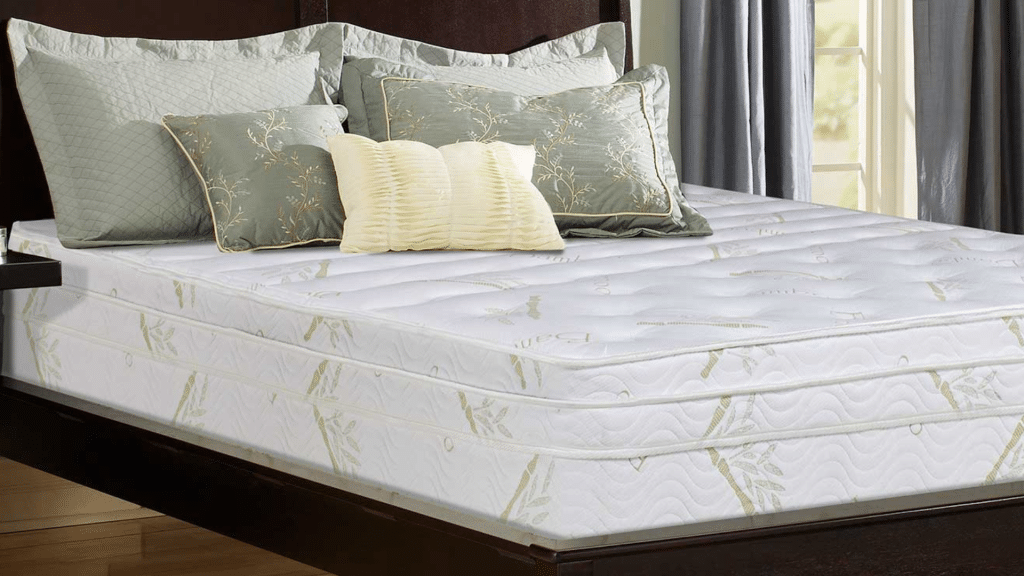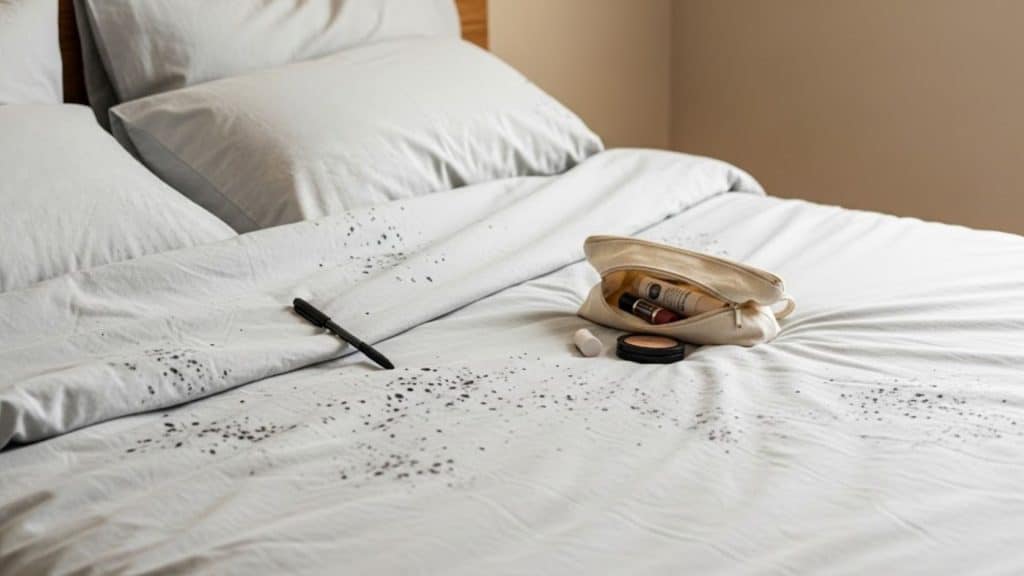


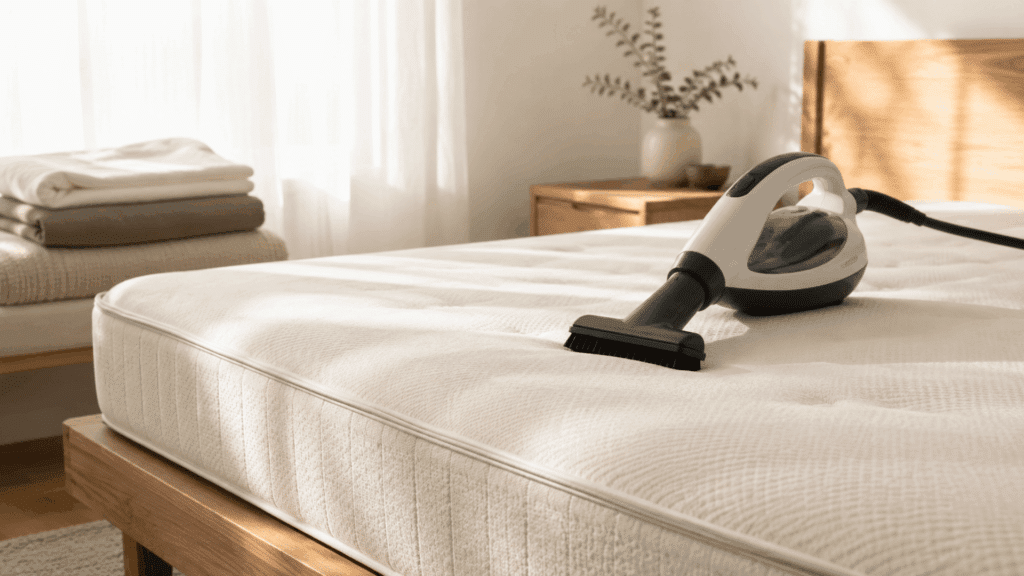
Steam cleaning may seem like a simple way to freshen a mattress and treat stains.
Many homeowners also look for real experiences before trying it, especially when they are unsure about heat, moisture, drying time, or fabric safety.
Results can vary based on the mattress material, the type of stain, and the cleaning method used. Some people report better results than others, while a few run into dampness or lingering marks.
This blog looks at common user experiences, practical stain-removal examples, and key points to consider.
Keep reading to see what worked, what failed, and what may suit your mattress.
Is it Safe to Steam Clean a Mattress?
The answer depends on the maker’s care instructions and the materials inside the bed.
Steam may loosen surface dirt and help with some marks, but moisture can soak into foam, padding, or fabric layers.
Some brands, including Casper, advise against steam cleaning, while Tempur-Pedic warns that its mattress material should not become wet.
Before steaming, check the care label and warranty terms. Test a hidden spot, use the lowest steam setting, and keep the nozzle moving.
Ventilate the room, run fans, and leave the mattress uncovered until it is dry before replacing bedding or sleeping on it.
Products Used With Steam Cleaners
Choose products based on the mattress label and the steam cleaner manual.
Keep moisture low, and never pour an unapproved cleaner into the machine’s water tank.
| Product | How to Use It | Safety Note |
|---|---|---|
| Water | Fill the steam cleaner as directed. | Many steam-only models use plain water without chemicals. |
| Maker-approved formula | Use only in machines built to dispense cleaning solution. | Follow the exact dilution and tank instructions. |
| Mattress-safe stain remover | Apply lightly before steaming, then blot. | Patch-test first and do not mix products. |
| White microfiber cloths | Blot loosened dirt and extra moisture. | White cloths make color transfer easier to notice. |
| Fan or dehumidifier | Run during and after cleaning. | The mattress must dry fully before bedding returns. |
The Right Way to Steam Clean a Mattress
Steam cleaning may help loosen surface dirt, but it is not suitable for every mattress. Check the care instructions first, and keep moisture to a minimum throughout the process.
1. Check the Care Label and Prepare the Room
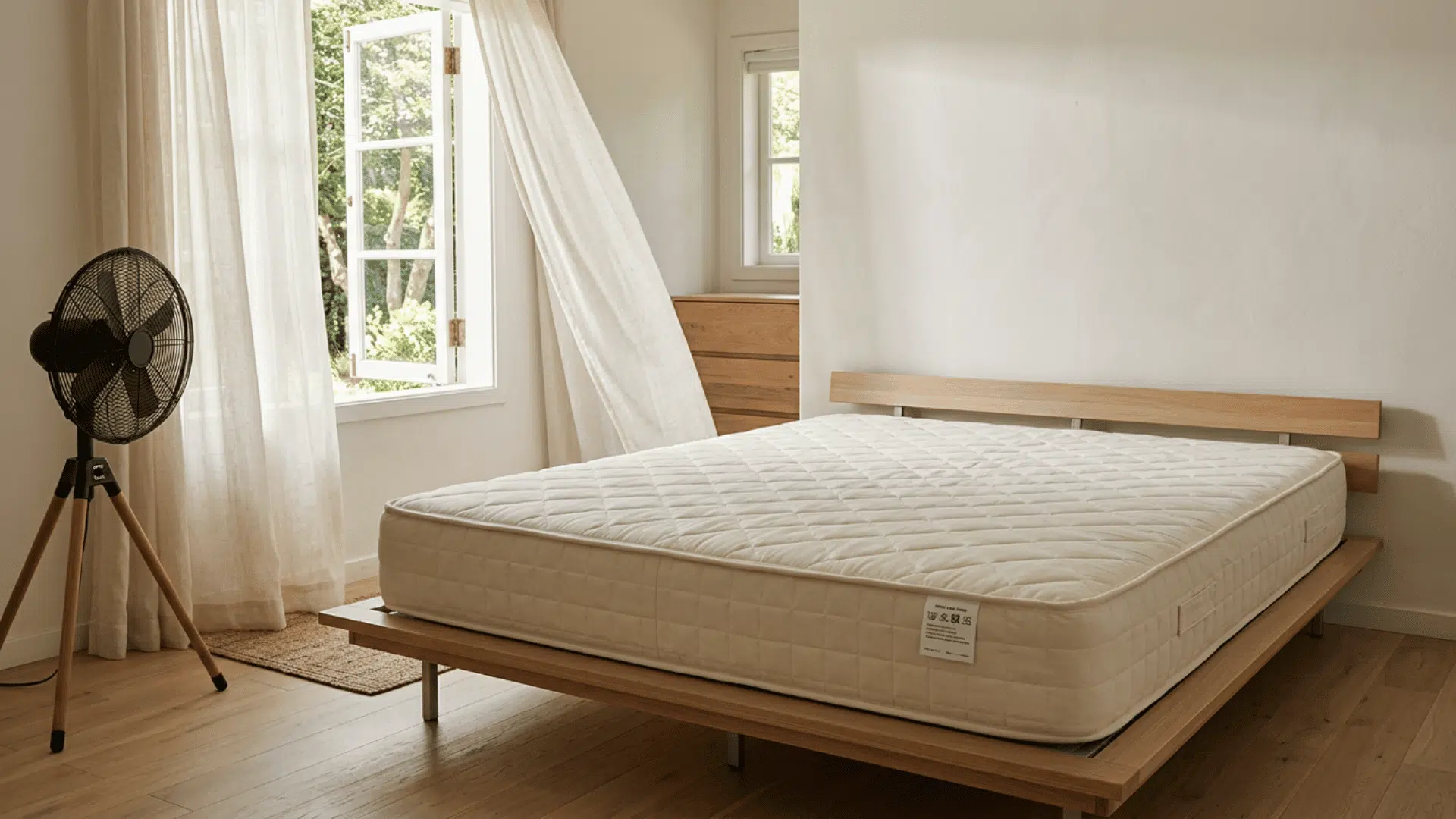
Read the mattress care label and warranty before using steam.
Some foam beds must not become wet, and certain brands recommend spot cleaning instead. Remove all sheets, protectors, and washable covers. Wash those items as directed on their labels.
Open nearby windows and set up fans for airflow. Place the mattress on a clean, supported surface where every treated area can dry fully without bedding covering it later.
2. Vacuum the Mattress Thoroughly
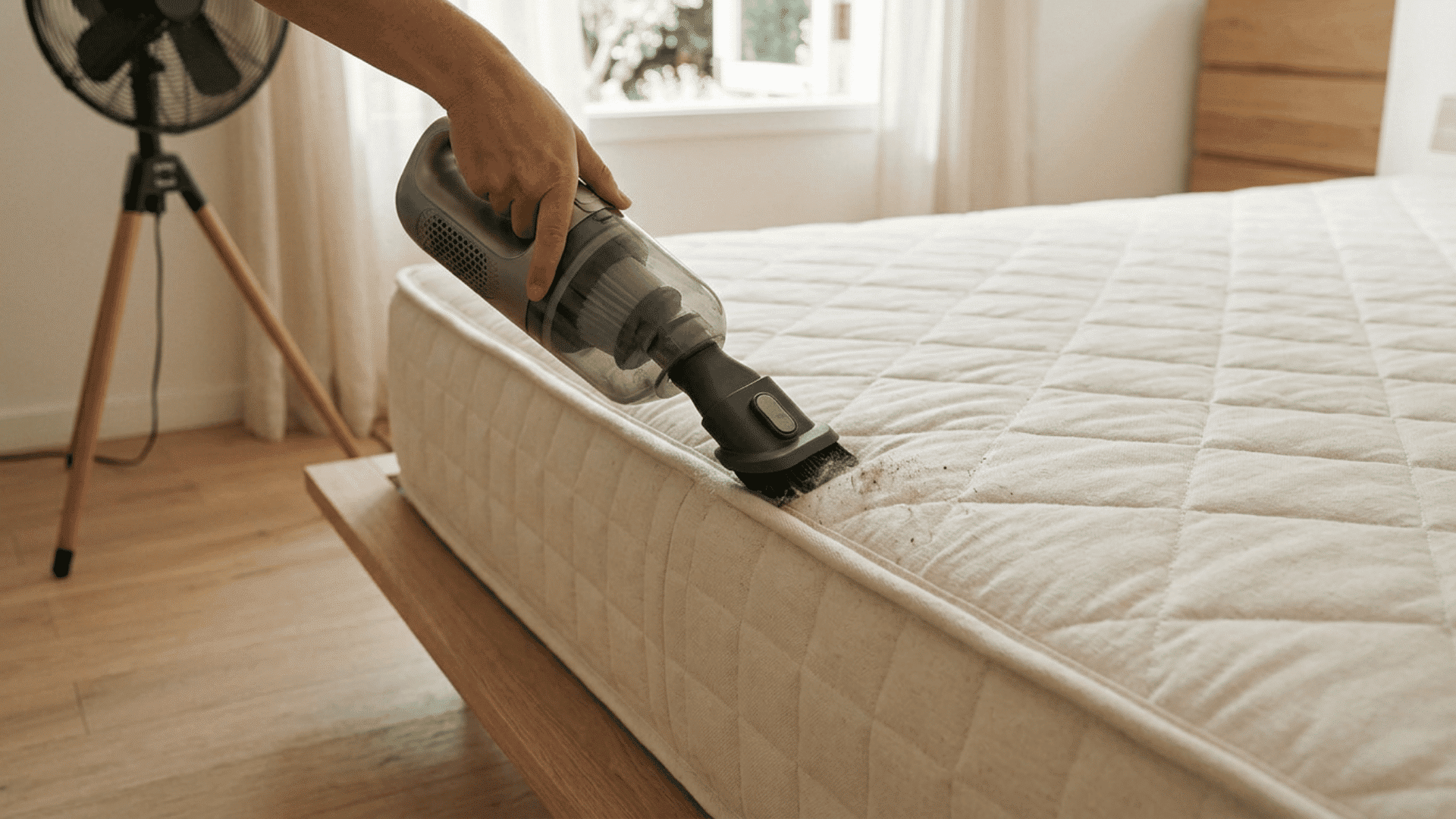
Vacuum the top, sides, seams, and edges with a clean upholstery attachment. Move slowly so the vacuum can collect dust, hair, crumbs, and loose debris.
Use a crevice tool around piping, buttons, and stitched areas. Vacuuming first keeps dirt from mixing with moisture during steaming.
Check the surface for tears or weak fabric, since direct heat and dampness may worsen damage in these areas during the cleaning process at home.
3. Treat Visible Stains First
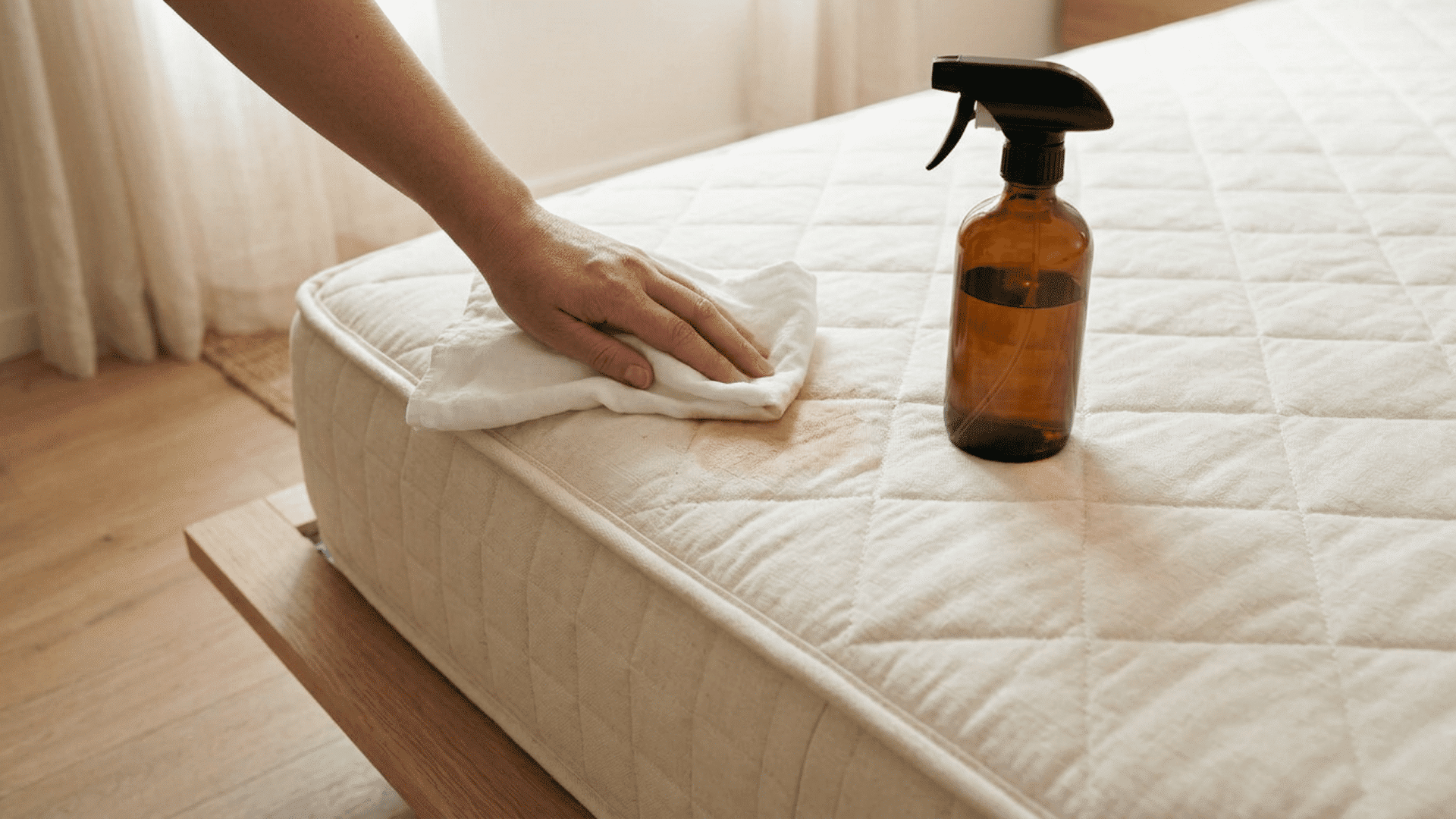
Treat visible stains before steaming because heat alone may not remove them. Blot fresh spills with a clean, dry cloth instead of rubbing.
Choose a cleaner that suits the stain and mattress fabric, then test it on a hidden area. Apply only a small amount and follow the product label.
Do not mix cleaning products. Let the treated spot settle, then blot away remaining moisture before using steam on it.
4. Steam in Small Sections
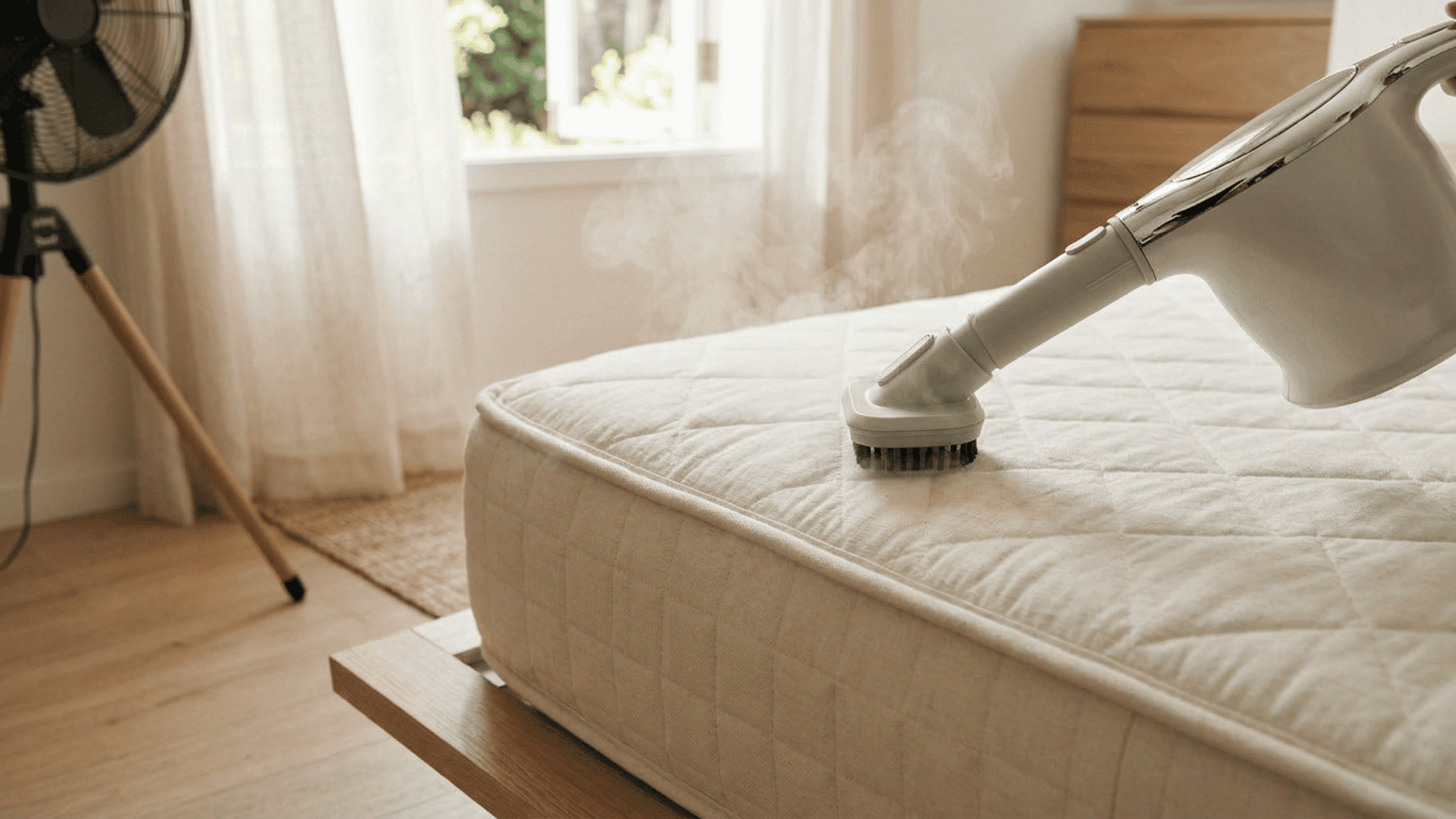
Fill the steamer with water and attach a clean upholstery head. Use the lowest suitable steam setting.
Hold the head just above the fabric or move it lightly across the surface, based on the machine instructions. Work in small sections with steady passes.
Never pause over one spot or soak the fabric. The surface should feel slightly damp, not wet, after each pass. Avoid steaming deep into foam mattress layers.
5. Let the Mattress Dry Fully
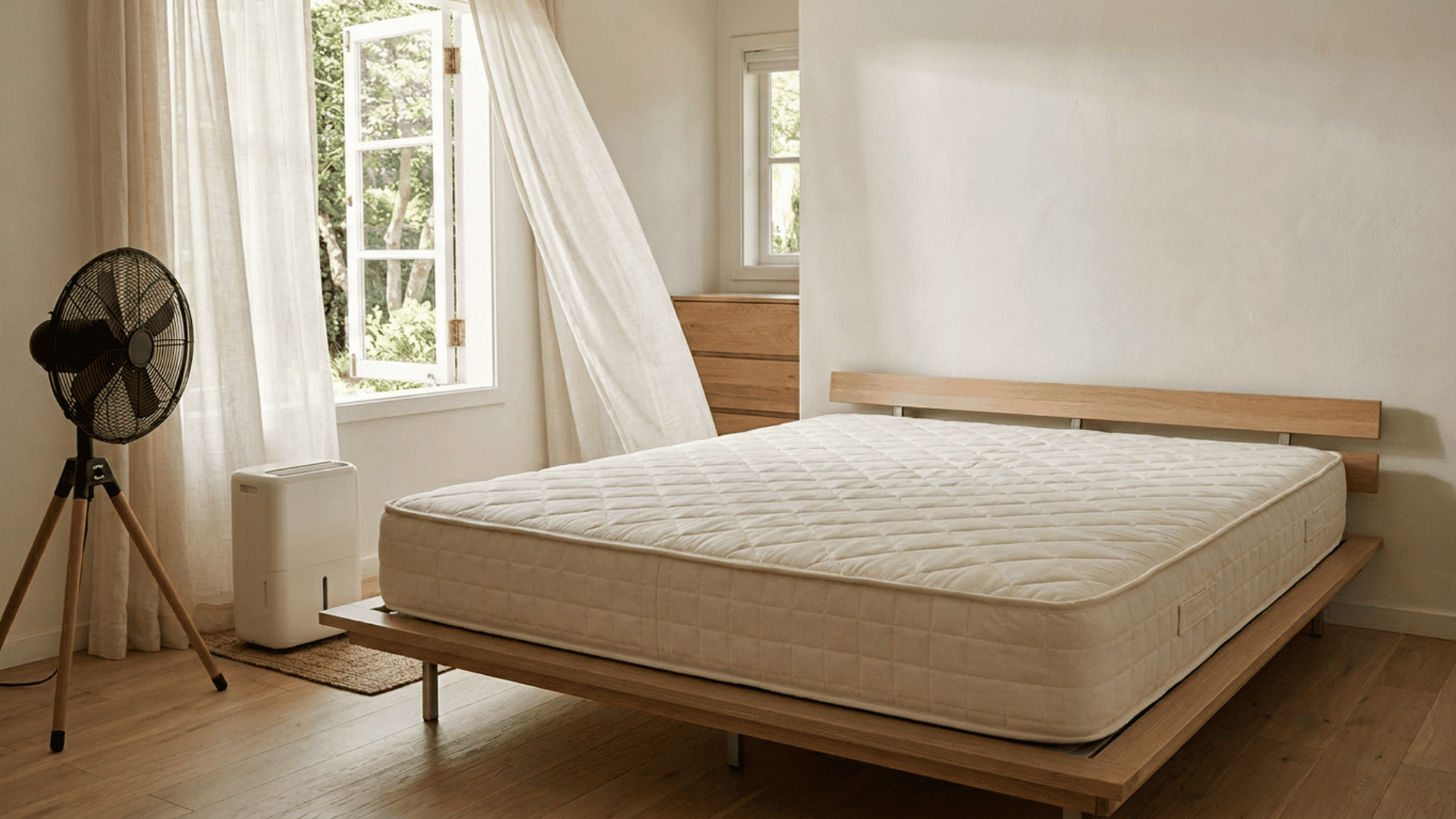
Let the mattress dry completely before replacing bedding or sleeping on it.
Stand it upright when the design allows, open windows, and aim fans across both sides. A dehumidifier may help in a humid room.
Check seams and thick padded areas for hidden dampness. Do not judge dryness by the surface alone.
The EPA advises drying wet materials within 24 to 48 hours to reduce the risk of mold inside padding layers.
Steam Cleaning Results by Mattress Type
Steam cleaning gives different results across mattress types. Check the care label first, since some makers advise against heat or moisture.
- Memory Foam: Steam can enter the foam, and it dries slowly. Tempur-Pedic states its foam material should not become wet, so spot cleaning is safer.
- Latex: High heat may harm natural latex. Avocado does not recommend steam cleaners for its latex mattresses.
- Hybrid: Foam layers can trap moisture above the coils. Use steam only when the maker allows it.
- Innerspring: The surface may handle steaming, but padding can remain damp. Avoid soaking seams and quilted areas.
- Adjustable Air Beds: Moisture may affect foam, covers, hoses, or electrical parts. Sleep Number recommends spot cleaning and full drying.
- Pillow-Top: Thick padding can retain moisture, slowing drying and increasing the risk of odor or mold.
What Users Say About Steam Cleaning Mattresses
Reddit users report mixed results with mattress steam cleaning. These comments describe personal experiences and should not replace the mattress maker’s care instructions.
“I paid to have my mattress steam cleaned, first time ever”
The mattress owner reported new streaks and stains after the professional cleaning dried. They asked whether moisture or the cleaning method caused the surface marks
“After a week, it suddenly started to smell really bad, kind of musty and sour”
The smell appeared several days after a 10-inch mattress was cleaned. Replies suggested that moisture may have remained trapped inside the mattress.
“You may be able to extract some of the stain using an upholstery cleaner or steam cleaner”
The threads concerned an old Pepsi stain that had dried into the mattress. The commenter warned that cleaning might reduce the mark without fully removing it.
Problems Reported After Steam Cleaning
Steam cleaning can cause issues when too much heat or moisture enters the mattress. The risk often depends on the material, steam level, airflow, and drying time.
1. Slow Drying: Foam and padding may hold moisture below the surface. The top can feel dry while deeper layers remain damp.
2. Musty Odors: Trapped moisture may cause stale smells. Wet materials should dry within 24 to 48 hours to help limit mold growth.
3. Stains Returning: Moisture may draw hidden residue toward the surface, causing old marks to return. Heavy steaming may also spread stains.
4. Material Changes: Heat and moisture may affect foam, adhesives, covers, and padded layers. Some mattress makers advise spot cleaning instead.
5. Warranty Concerns: Using a cleaning method not approved by the manufacturer may affect warranty coverage. Read the care label and warranty terms before steaming.
Final Thoughts
Steam cleaning may help with light surface dirt, but it should only be used when the mattress maker permits it.
The right method depends on the materials, stain type, and drying conditions in the room. For deep stains, strong odors, or sensitive foam, spot cleaning or professional care may be a better choice.
The aim is to improve the surface without trapping dampness inside. Have you tried steam cleaning a mattress?
Drop a comment below and share your results, drying time, and any problems you faced.
Frequently Asked Questions
Can Steam Cleaning Kill Bed Bugs in a Mattress?
Steam at 130°F or higher can kill bed bugs on contact, but strong airflow may scatter them. A full infestation usually needs several control methods or professional pest treatment.
Does Steam Cleaning Reduce Dust Mite Allergens?
Studies have found that dry steam reduces dust-mite allergens on upholstered furniture.
Should You Steam Clean a Mattress With Visible Mold?
Steam is not a reliable fix for mold growing inside a mattress. The EPA notes that mold can be difficult or impossible to remove fully from porous materials.