


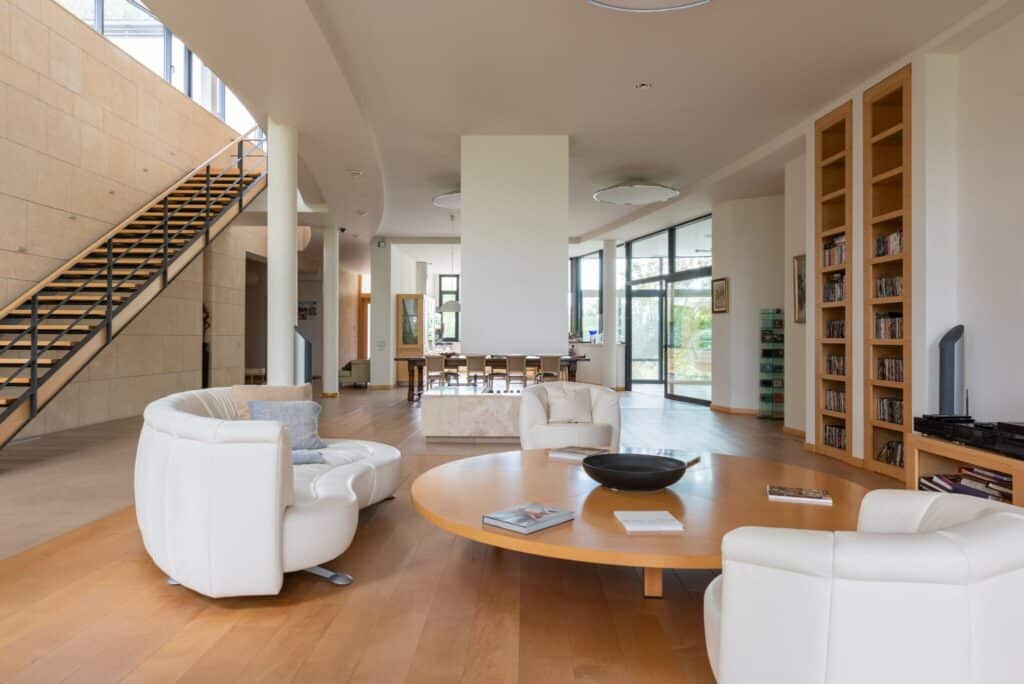
We spend so much of our lives looking for a sense of calm. Between the endless notifications, the shifting demands of work, and the general noise of the outside world, our minds are constantly processing data.
It can feel like running a race with no finish line. Honestly, there are days when just looking at a smartphone screen feels exhausting.
That’s why the physical spaces we come home to matter so much. A home shouldn’t just be a place where you store your belongings. It should be a dedicated sanctuary, a soft landing spot that actively helps your nervous system settle down after a long day.
But how often do we actually achieve that?
When we talk about designing a restful home, it’s easy to get caught up in high-level design theories or expensive renovations. True comfort doesn’t require a complete architectural overhaul.
Instead, it comes down to making intentional choices about the elements that interact with your senses daily. By focusing on light, texture, and physical comfort, you can transform any standard living space into a deeply restorative environment.
It is about creating a predictable, soothing landscape where your brain can finally stop decoding threats and rest.
The Foundation of Comfort
Every room has a starting point, and it usually begins right beneath your feet. The surfaces we walk on set the tone for how a room feels, both literally and visually. When a space feels cold or uninviting, it’s often because the flooring lacks warmth or texture.
Choosing materials that feel good to walk on, like soft carpets or smooth natural wood, instantly changes a room’s energy.
If you’re working on updating your space to be more peaceful, you don’t have to spend a fortune to make a meaningful change.
We sometimes assume beautiful spaces require endless budgets, but that is rarely true. Finding high-quality, budget-friendly materials can make a significant difference in your home renovation project.
You can easily find beautiful choices like discount flooring that offer both durability and aesthetic warmth without straining your finances.
When the floor feels grounded, the rest of the room naturally follows suit.
Harnessing Natural and Soft Light
Light has a profound impact on our circadian rhythms and emotional well-being. Harsh overhead lighting can trigger a subtle stress response, keeping your mind in a state of alertness when you should be winding down.
Have you ever noticed how a bright fluorescent light can instantly make you feel on edge? You know that sudden, jarring feeling of walking into a sterile clinic? We definitely want to avoid that at home.
To create a sanctuary, you need to think about layering your light.
Start by maximizing natural light during the day. Keep window treatments minimal or use sheer curtains that diffuse the sunlight without blocking it completely. As evening approaches, transition away from bright overhead fixtures.
Instead, turn on lamps with warm-toned bulbs placed at different heights around the room. This gradual transition mimics the sun’s natural progression.
It signals to your brain that it’s time to relax, lowering your cortisol levels and preparing you for a deep, restorative sleep.
Decluttering for Mental Clarity
It’s difficult to quiet your mind when your physical environment is chaotic. Clutter acts as visual noise, constantly demanding your attention and reminding you of unfinished tasks.
You don’t need to adopt a strict minimalist lifestyle to find peace, but managing the excess is essential.
Take a gentle approach to decluttering. Focus on one small area at a time, such as a single tabletop or a bedside drawer.
Keep the items that bring you genuine comfort or serve a clear purpose, and find discreet storage solutions for the rest. What if your environment could work for your mental health instead of against it? And that’s the point.
When your eyes can rest on clean, open surfaces, your mind can finally stop scanning for tasks and be present.
Cultivating a Space for Deep Rest
Ultimately, the most important area of your sanctuary is the place where you sleep. A bedroom should be treated with great reverence. It’s a space dedicated entirely to recovery and renewal.
So, keep work, electronics, and stressful conversations outside of this perimeter whenever possible.
Invest in fabrics that feel gentle against your skin. Maybe it is a crisp linen or a worn, soft cotton.
The right sheets, a supportive pillow, and a heavy blanket can feel like a warm embrace at the end of a long day.
You can listen to the quiet hum of the laptop at midnight in the kitchen if you must finish a project, but keep that energy away from where you rest.
Pay attention to temperature as well, as a cooler room generally promotes much better rest.
By treating your sleeping area as a sacred space for health and recovery, you permit yourself to let go of the day fully.