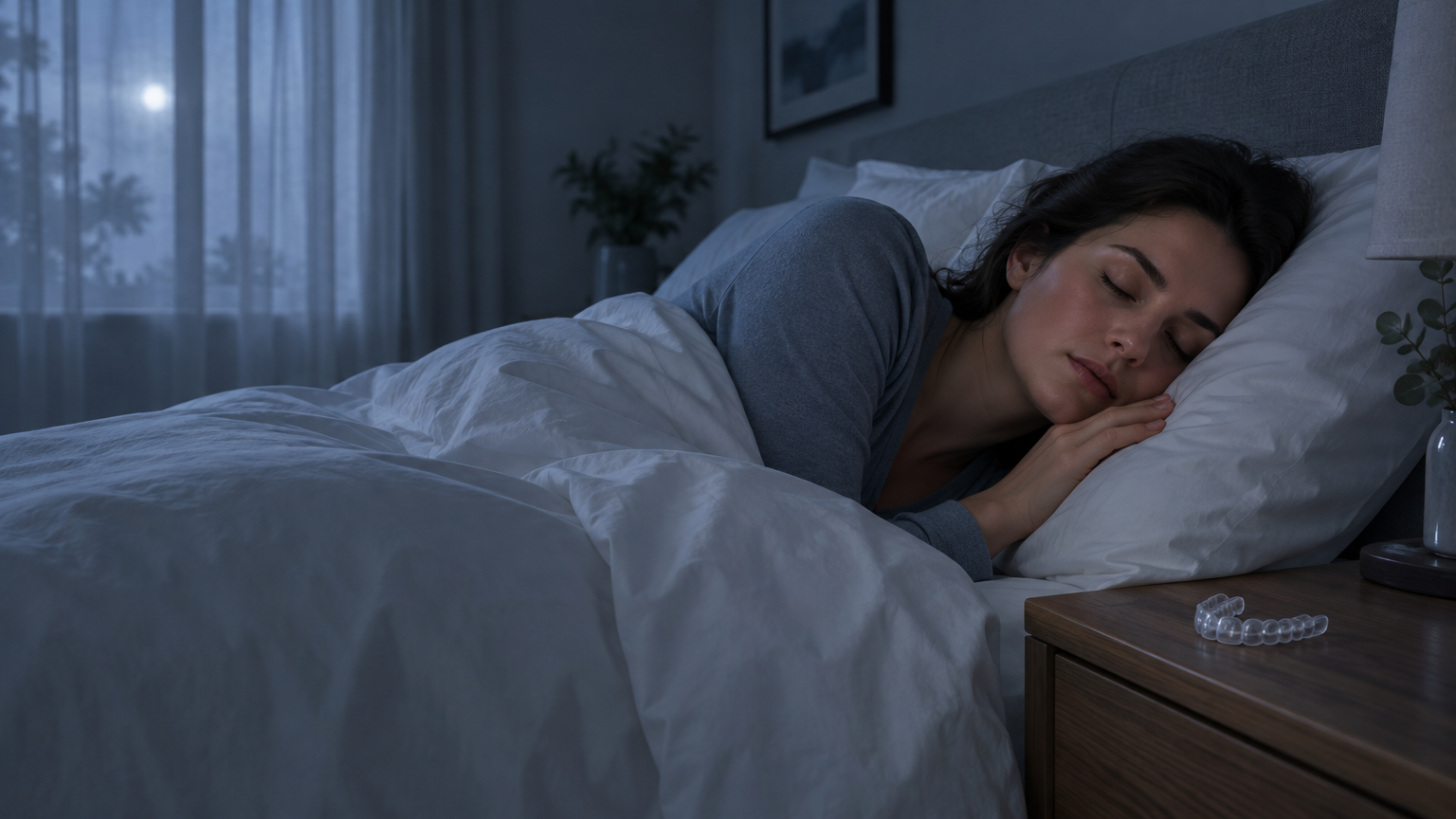

Sleep is one of the most biologically complex states in human physiology. It is regulated not by a single molecule, but by an interconnected network of hormones, neurotransmitters, and amino acid derivatives that rise and fall on a tightly coordinated 24-hour cycle. Among these, melatonin plays a defining role — but it does not act alone.
A growing body of laboratory research has examined how melatonin interacts with calming neurotransmitters and amino acid derivatives such as GABA, L-theanine, glycine, taurine, and magnesium-dependent pathways. Together, these compounds form what researchers describe as the body’s rest-and-recovery axis.
This article reviews what current research suggests about the biological mechanisms behind sleep onset, sleep depth, and overnight recovery — and how multi-component formulations are increasingly being studied as research models for understanding restorative rest.
1. Melatonin: The Circadian Signal
Melatonin is a neurohormone synthesized primarily in the pineal gland from the amino acid tryptophan, by way of serotonin. Its secretion follows a strong circadian rhythm — low during daylight hours, rising sharply after dusk, and peaking during the deepest part of the night.
Rather than acting as a sedative, melatonin functions more accurately as a biological time signal. It communicates to the rest of the body that it is night, allowing core temperature, heart rate, blood pressure, and metabolic activity to shift into their nighttime patterns. Studies have repeatedly shown that disruptions to melatonin signaling — caused by shift work, jet lag, blue light exposure, or aging — are associated with measurable changes in sleep architecture and overall recovery quality.
Importantly, melatonin levels naturally decline with age. Research suggests that nocturnal melatonin output in adults over 50 may be a fraction of what it was in their 20s, which is one reason scientific interest in melatonin biology has expanded so significantly in recent decades.
2. GABA: The Brain’s Primary Calming Signal
Gamma-aminobutyric acid (GABA) is the central nervous system’s main inhibitory neurotransmitter. Its function is to dampen excessive neuronal firing, which is essential for the transition from wakefulness to sleep. Without sufficient GABA activity, the brain remains in a state of heightened arousal — a phenomenon often described in research literature as hyperarousal insomnia.
Studies examining GABAergic activity have linked low GABA tone with difficulty initiating sleep, frequent nighttime awakenings, and reduced slow-wave (deep) sleep. Many of the body’s natural sleep-supporting pathways — including those activated by melatonin itself — converge on or interact with GABA receptor activity in the brain.
3. L-Theanine: Calm Without Sedation
L-theanine is an amino acid most notably found in tea leaves and widely studied for its influence on alpha brain wave activity — the wave pattern associated with relaxed wakefulness and the early stages of sleep. Research suggests that L-theanine may modulate glutamate, dopamine, serotonin, and GABA signaling, contributing to a calm but mentally clear state.
Unlike traditional sedatives, L-theanine has been observed in studies to reduce stress markers and pre-sleep anxiety without producing daytime grogginess, which is why it has become a frequent component of multi-ingredient sleep research formulations.
4. Magnesium: A Cofactor for Restful Biology
Magnesium is involved in more than 300 enzymatic reactions in the human body, several of which are central to sleep biology. It supports GABA receptor function, regulates the parasympathetic nervous system, and is required for proper melatonin synthesis. Research has documented associations between low magnesium status and shorter sleep duration, lighter sleep, and increased nighttime awakenings.
Magnesium also plays a role in muscular relaxation, which is why it appears so frequently in studies examining nighttime recovery and physical restoration.
5. Taurine: An Underrated Nighttime Amino Acid

Taurine is a sulfur-containing amino acid concentrated in excitable tissues such as the brain, heart, and skeletal muscle. It has been studied for its role in stabilizing cell membranes, supporting GABAergic activity, and modulating the body’s response to stress hormones. Some research models suggest taurine may help reduce sympathetic nervous system overactivation — the fight-or-flight state that often interferes with the ability to fall and stay asleep.
6. L-Histidine: A Lesser-Known Player in Rest Biology
L-histidine is an essential amino acid and the precursor to histamine, a molecule with complex roles in both wakefulness and sleep regulation. Research suggests histidine and its downstream metabolites participate in the regulation of circadian rhythm, immune function, and the body’s overnight repair processes. Although it is less frequently discussed than melatonin or GABA, histidine has gained increasing attention in studies exploring how amino acid balance influences sleep quality and overnight recovery.
7. Why Multi-Component Sleep Compounds Are a Growing Research Focus
Sleep is not regulated by a single neurotransmitter or hormone. It is a network process — and isolating one molecule at a time often fails to capture the full picture. This has prompted a shift in laboratory research toward multi-ingredient formulations that mirror the natural cooperativity between melatonin, calming neurotransmitters, and amino acid derivatives.
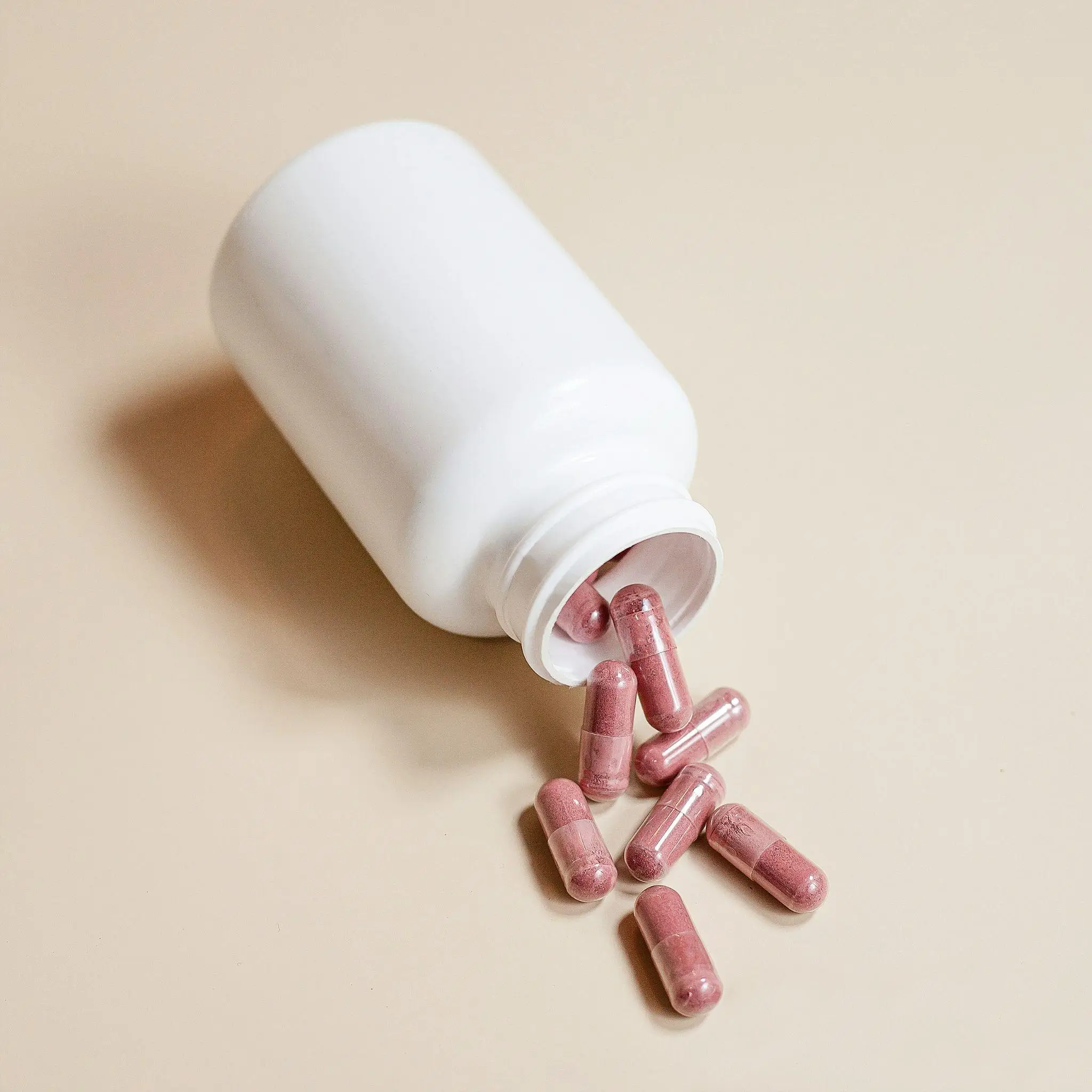
Compounds such as a Melatonin Based Amino Blend — which combine melatonin with GABA, L-histidine, L-theanine, magnesium, and taurine — represent the kind of multi-axis formulations researchers use to study the cumulative effects of combined sleep-related pathways. By examining how these molecules behave together rather than in isolation, scientists can develop more accurate models of how the body initiates, sustains, and recovers from sleep.
Research-grade compounds in this category are generally produced under strict purity standards and third-party testing protocols to ensure dosing accuracy — a critical requirement for reproducibility in laboratory work.
8. Sleep, Recovery, and the Body’s Overnight Repair Window
Restorative sleep is not just about feeling alert in the morning. The hours of deepest sleep are when the body executes some of its most important biological maintenance: glymphatic clearance in the brain, growth hormone release, immune cell production, muscular repair, and consolidation of memory and learning.
Research increasingly views sleep as an active recovery state — one that benefits from adequate raw materials. Amino acids, neurotransmitter precursors, and key minerals all play a role in supporting the biology of overnight repair. This is one reason multi-component sleep models have become a meaningful area of scientific exploration.
9. The Role of Research Suppliers
For laboratories investigating sleep biology, the integrity of the compounds being studied directly affects the integrity of the data. Research suppliers such as Modern Aminos provide research-grade compounds intended exclusively for laboratory and in-vitro use, including formulations relevant to sleep, recovery, and neurochemistry research. Such materials are not formulated, intended, or approved for human consumption, in-vivo experimentation, or any non-research application.
The availability of well-characterized, third-party-tested research compounds is what allows independent investigators to produce reproducible findings — and ultimately what shapes the broader scientific conversation around sleep and rest.
10. Open Questions and Future Research
Despite decades of study, much about sleep biology remains unresolved. Researchers are still working to understand how individual differences in genetics, age, hormonal status, and lifestyle influence the response to melatonin and amino-acid-based sleep modulators. Questions around dosing thresholds, timing, bioavailability, and long-term effects are active areas of investigation.
Future studies are likely to focus on personalized sleep biology — exploring how each person’s unique neurochemistry interacts with the wider rest-and-recovery network, and how multi-ingredient research formulations can illuminate those individual differences.
Conclusion
Sleep is not a single switch but a cascade of finely tuned biological signals. Melatonin sets the timing, GABA dampens the noise, L-theanine softens the stress response, magnesium and taurine stabilize the system, and amino acids like L-histidine support the body’s overnight repair work. Each plays a part — and modern sleep research is increasingly built on understanding how these parts fit together.
As scientific exploration in this field expands, the conversation around restorative rest is moving beyond any single compound. The future of sleep science lies in understanding the network — and in the careful, evidence-based study of how its many components interact to produce the deep, restorative rest the body depends on.