
When it comes to drainage, utilities, telecommunications, electrical installations and civil infrastructure, long-term performance is just as important as initial construction quality. Organisations across Australia are under increasing pressure to reduce whole-of-life asset costs while still delivering safe, resilient infrastructure.
One proven way to achieve this balance is by choosing precast concrete pits over traditional in-situ or lightweight alternatives.
Precast solutions offer consistent strength, exceptional durability and a noticeably lower ongoing maintenance burden, all major advantages for councils, contractors, developers and utility providers.
In this article, we explore why precast concrete pits outlast other materials, how they significantly minimise maintenance costs, and why they’ve become the preferred choice for modern Australian infrastructure.
Engineered Strength That Withstands Harsh Australian Conditions
Australia’s diverse environmental conditions, from extreme heat in the outback to coastal salt exposure, can quickly degrade inferior materials. Precast concrete pits are manufactured in controlled environments, allowing for precise curing, moisture control and reinforcement placement. This results in high-density concrete with superior compressive strength.
Because precast pits are engineered to meet strict Australian Standards, they offer:
- Enhanced load-bearing capacity ideal for trafficable areas, heavy machinery zones and industrial sites.
- Superior resistance to cracking, even as surrounding soils shift or settle.
- Reliable structural integrity that isn’t affected by variable onsite conditions during installation.
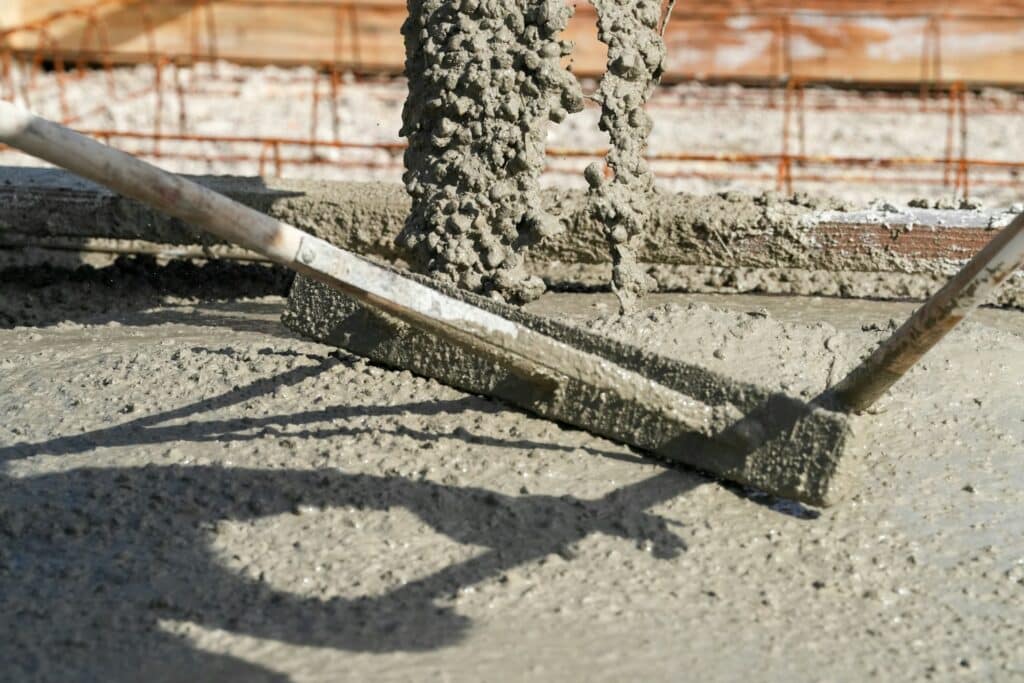
This level of consistency simply can’t be guaranteed with in-situ concrete pits, which are subject to weather, workmanship variation and curing inconsistencies.
Longer Service Life Through Improved Durability
A primary advantage of precast concrete pits is their remarkable durability. The controlled manufacturing process produces a dense, low-porosity product that naturally resists environmental damage.
Key durability benefits include:
- Corrosion resistance: Reinforced precast pits use high-quality steel encased in dense concrete, reducing the likelihood of corrosion from moisture or chemicals.
- Reduced water infiltration: Tight joints and precision-made components prevent leaks, erosion and internal deterioration.
- High impact resistance: Stronger walls reduce the risk of damage from accidental impact during installation or future excavation works.
Over time, these qualities translate into significantly fewer structural failures, meaning less downtime and lower repair expenses.
Faster Installation Reduces Labour Costs and Onsite Risks
Although the focus is often placed on long-term savings, precast pits also reduce costs at the installation stage. Because they arrive to site fully cured, pre-reinforced and ready to install, contractors can complete pit placement far more efficiently than when forming and pouring in-situ concrete.
Installation advantages include:
- Minimal onsite preparation
- Shorter project timelines
- Lower labour and equipment requirements
- Reduced safety risks, as workers spend less time around excavation zones
- Improved quality control, thanks to factory-produced components
These efficiencies not only reduce upfront costs but also help prevent defects that could lead to expensive repairs later.
Lower Whole-of-Life Costs Compared With Alternatives
While precast concrete pits may have a slightly higher initial purchase price than lightweight plastic or fibreglass pits, the long-term savings easily outweigh the difference.
How precast reduces maintenance costs:
- Fewer structural failures requiring repair
- Greater resilience against UV, heat and chemical exposure
- Lower likelihood of deformation or collapse under load
- Reduced need for replacement, extending the asset lifecycle
When councils and contractors evaluate whole-of-life cost — not just upfront price — precast concrete consistently emerges as the most economical choice.
Versatility for Civil, Electrical, Drainage and Utility Applications
Precast pits are available in a wide range of sizes and configurations, making them suitable for applications such as:
- Stormwater drainage systems
- Electrical and communication cable pits
- Sewer and water infrastructure
- Pump stations
- Access chambers and inspection pits
Their modular design also allows for custom openings, risers, lids and accessories, ensuring that each installation meets the specific requirements of the project without compromising durability.
Final Thoughts
For any infrastructure project that demands longevity, reliability and reduced maintenance budgets, precast concrete pits offer an unbeatable combination of strength, durability, cost efficiency and compliance. By choosing precast, asset owners can drastically reduce the risk of premature failures, avoid unnecessary repair work and extend the lifespan of critical infrastructure.
Whether you’re managing a large-scale civil project or upgrading local utility networks, precast concrete pits provide peace of mind and strong financial value — both today and for decades to come.