



Introduction
Here’s the thing about renovations everyone wants them, almost nobody has the cash sitting around for them. You look at the kitchen and think “this needs to go,” then you check your savings account and quietly close the laptop. Sound familiar?
That gap between “what my house needs” and “what my bank balance allows” is exactly why renovation loans exist. A lån til oppussing lets you fix what actually needs fixing now, instead of waiting three years to save up while your bathroom tiles keep cracking.
I’m not going to pretend every renovation is worth borrowing for. Some aren’t. But a handful of upgrades consistently pay for themselves either in resale value or in the headaches they save you down the road. Here are five worth putting on your list.
Kitchen Work Doesn’t Mean Gutting the Whole Room
People assume a kitchen renovation means tearing everything out and starting from zero. It usually doesn’t need to. New countertops, updated cabinet hardware, maybe a fresh coat of paint on the cabinet fronts that combination alone can make a tired kitchen look almost new, for a fraction of what a full remodel costs.
Agents will tell you kitchens sell houses. Lenders know it too, which is part of why kitchen work is one of the easiest renovation categories to get approved for.
Bathroom Fixes Are Boring Until They’re Not
Nobody gets excited about fixing a shower pan. But a slow leak you ignore for two years turns into mold behind the drywall, and suddenly you’re not looking at a $400 repair you’re looking at $6,000 and a contractor tearing out a wall. Bathroom renovations funded through a loan are less about luxury and more about catching problems before they get expensive.
Energy Upgrades Are the Least Glamorous, Most Practical Option
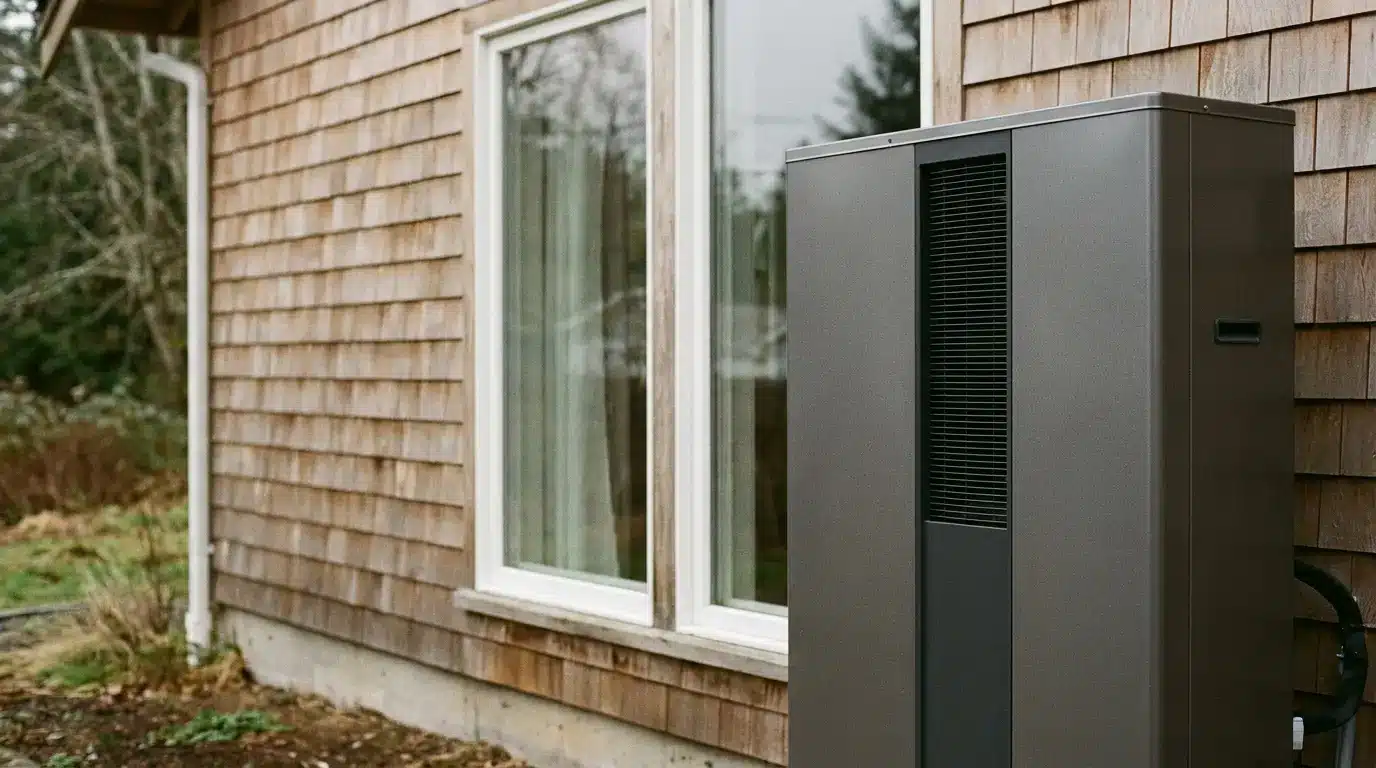
Nobody brags about their new insulation at a dinner party. But better windows, proper insulation, and a heat pump upgrade are the renovations that actually show up on your monthly bill. If you want a sense of how lenders and regulators categorize this kind of financing, hud.gov breaks down what counts as standard renovation work it’s U.S.-focused, but the categories line up closely with what lenders elsewhere use as a benchmark too.
If you’re comparing loan terms in general, not just for energy work. It’s worth spending twenty minutes reading through how the Consumer Financial Protection Bureau explains interest and fee structures. Most people skip this step and regret it later when a “low rate” turns out to have fees buried in the fine print.
Roofs and Foundations: Not Fun, But Non-Negotiable
Nobody renovates a roof for aesthetics. You do it because a small leak this winter is a $3,000 fix, and the same leak ignored through next winter is a $15,000 fix with water damage to the ceiling below it. Structural work is the least Instagrammable renovation category and also the one that protects everything else you’ve spent money on.
Turning Unused Space Into Actual Square Footage
A basement that’s just storage, an attic nobody goes into, a garage that could be a home office — these are the renovations where the loan amount varies the most, because the scope varies so much. Before committing to a project size, it’s worth comparing rates directly. lån til oppussing at forbrukslån.no lists current terms so you know roughly what you’d qualify for before you fall in love with a contractor’s quote that’s out of your range.
Getting the Loan Terms Right Matters More Than People Think
Honestly, which upgrade you pick matters less than how the loan is structured. A repayment window that’s too short and you’re stuck with brutal monthly payments. Too long, and you’re still paying interest on a kitchen you renovated a decade ago. If you want a plain-language breakdown of how loan interest actually accrues over time, Investopedia has decent explainers worth ten minutes before you sign anything.
Get quotes from more than one lender. Two, ideally three. The differences in offers rarely come down to the headline rate they come down to origination fees, early repayment penalties, and whether the rate is fixed or variable. Ask about all three specifically. Lenders won’t always volunteer that information.
Final Thoughts
Renovating isn’t cheap, and pretending otherwise doesn’t help anyone. But it also doesn’t have to mean wiping out your emergency fund. Structure the loan properly, pick upgrades that actually add value, and you end up with a house that works better and is worth more without the financial gut-punch of paying for it all upfront.