
Noosa’s laidback lifestyle might be famous for beach walks and outdoor adventure, but all that activity puts real demands on the body. Whether you’re a weekend surfer, a keen hiker in the hinterland, or simply someone who spends long hours at a desk, physical strain has a way of building up quietly until it becomes a genuine problem.
This is where proactive care makes all the difference. More locals are discovering that physio Noosa clinics offer isn’t just for injury recovery, but a valuable part of an ongoing wellness routine. Here are four reasons physiotherapy deserves a regular spot in your calendar, not just an emergency booking when something goes wrong.
Physiotherapy Is About More Than Just Injury Recovery
While most people associate physiotherapy with bouncing back from an injury, its real value lies in prevention, performance, and long-term movement health.
Preventing Injuries Before They Happen
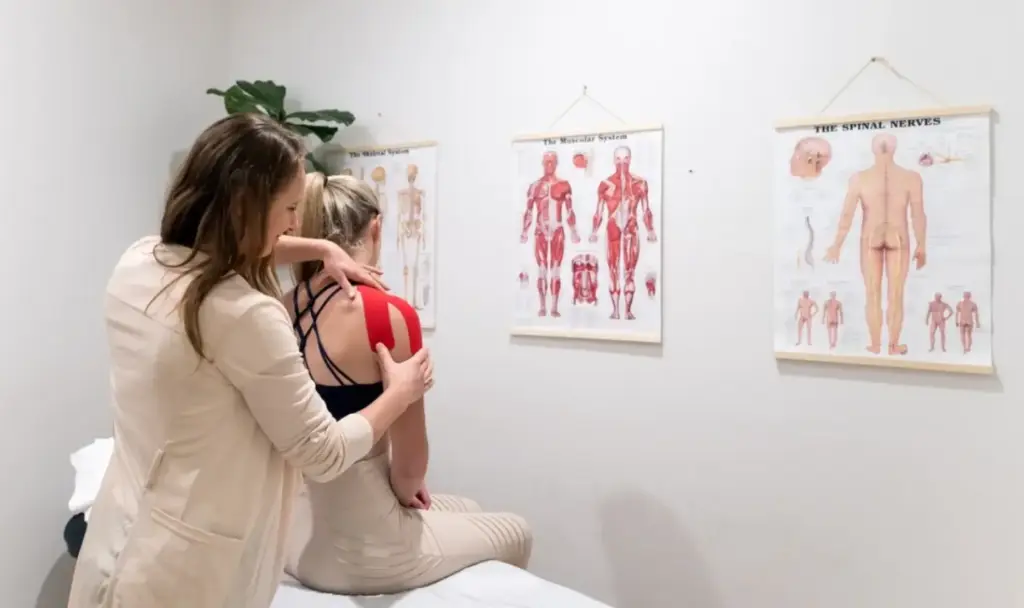
One of the most underrated benefits of regular physiotherapy is injury prevention. A qualified physiotherapist can assess your posture, joint mobility, and muscle balance to identify small weaknesses or imbalances before they turn into pain or a full-blown injury.
This is particularly valuable for Noosa’s active community, where repetitive movements from surfing, paddleboarding, or trail running can quietly overload certain muscle groups over time. A tailored program of stretches and strengthening exercises can correct these patterns early.
Managing Chronic Pain More Effectively
Persistent back pain, stiff shoulders, or nagging knee discomfort don’t have to be accepted as simply “part of getting older.” Physiotherapists use a combination of approaches to manage chronic pain, including:
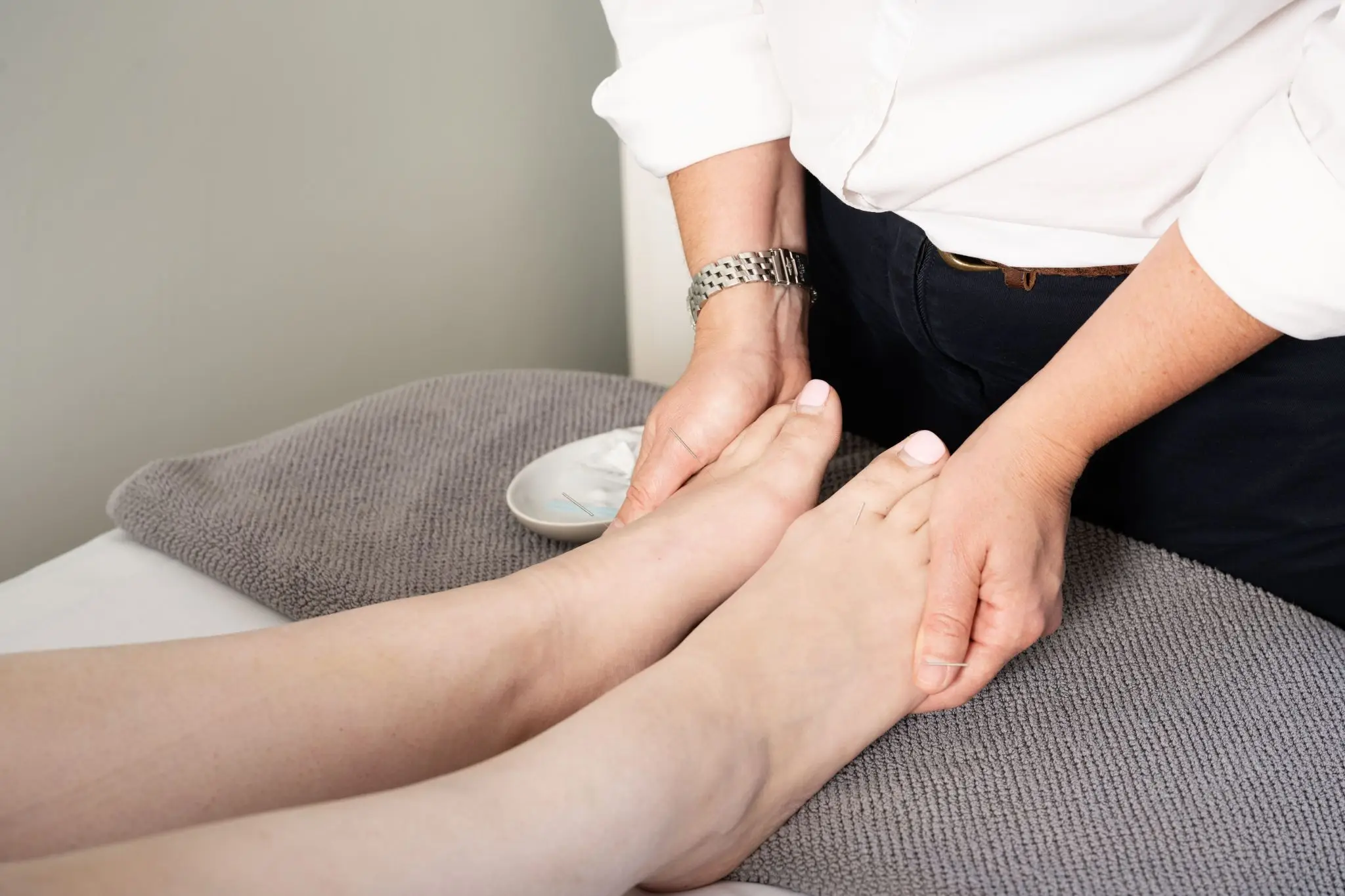
- Manual therapy: Hands-on techniques to release tension in muscles and joints.
- Targeted exercise programs: Building strength and flexibility around problem areas.
- Education on movement patterns: Helping you understand which daily habits may be contributing to ongoing discomfort.
Rather than masking symptoms, this approach aims to address the underlying cause, giving you longer-lasting relief.
Improving Athletic and Everyday Performance
Whether your goal is running a personal best in your next fun run or simply being able to keep up with your kids at the beach, physiotherapy can help you move more efficiently. Assessments of gait, flexibility, and strength allow your physiotherapist to design a program specifically suited to your goals.
Many Noosa locals now treat physiotherapy sessions the same way they treat a gym membership: a regular investment in how their body performs, rather than a reactive visit only when something hurts.
Supporting Recovery After Surgery or Major Injury
For those recovering from surgery, a car accident, or a significant sporting injury, physiotherapy plays an essential role in restoring strength, flexibility, and confidence in movement. A structured rehabilitation plan, guided by a professional, helps ensure recovery happens safely and doesn’t lead to compensatory injuries elsewhere in the body.
What to Expect at Your First Appointment

If you’ve never visited a physiotherapist before, the first session typically involves a thorough assessment of your posture, movement patterns, and any specific areas of pain or concern. Your physiotherapist will ask about your medical history, lifestyle, and goals before developing a tailored treatment plan. This might include hands-on techniques during the session itself, along with a home exercise program designed to reinforce progress between visits.
Building Physiotherapy Into a Sustainable Routine
Like any aspect of wellness, the greatest benefits of physiotherapy tend to come from consistency rather than a single one-off session. Many Noosa locals now book regular maintenance sessions every few weeks, much like a dental check-up, to keep small issues from developing into bigger problems. Discussing a realistic, sustainable schedule with your physiotherapist, one that fits comfortably around work and family commitments, is often the key to seeing lasting results.
Combining Physiotherapy With Other Wellness Practices
Many Noosa locals find that physiotherapy works particularly well alongside other wellness practices such as pilates, massage therapy, or regular strength training. Rather than viewing these as competing approaches, an experienced physiotherapist can help design a program where each element supports the others, for example, prescribing specific strength exercises that complement a broader pilates routine, or recommending massage therapy to help manage tension between physiotherapy sessions. This integrated approach reflects a broader shift in how people think about physical wellbeing, moving away from single-solution thinking toward a more holistic, personalised combination of practices tailored to individual goals, lifestyle, and the physical demands of daily life on the Sunshine Coast.
Recognising When Pain Needs Professional Attention
Many people wait far too long before seeking physiotherapy, often assuming pain will simply resolve on its own with rest. While minor aches sometimes do settle, pain that persists beyond a week or two, worsens with normal daily activity, or begins to affect sleep is generally worth having properly assessed. Early assessment allows a physiotherapist to identify the true underlying cause while it’s still straightforward to address, rather than waiting until compensatory movement patterns have developed elsewhere in the body.
The Role of Regular Movement in Everyday Life
Beyond formal exercise, physiotherapists often emphasise the value of simply moving more throughout an ordinary day, whether that’s taking regular breaks from a desk, walking rather than driving short distances, or incorporating gentle stretching into a daily routine. These small, consistent habits complement formal treatment and contribute meaningfully to long-term physical resilience.
Final Thoughts
Physiotherapy offers far more than a quick fix after an injury. From prevention and pain management to performance improvement and rehabilitation, it’s a valuable tool for anyone wanting to stay active and pain-free for years to come.
If you’ve been putting off that nagging shoulder twinge or lower back stiffness, there’s no better time than now to book an assessment and get expert guidance tailored to your body and your lifestyle.