
When our plans get cancelled or postponed, we try to fill the gap with “useful” or “productive” tasks. Whether it’s answering emails, reorganizing the closet, or taking a new online course.
And modern life supports this way of living. Commercials, social media, and self-improvement books promote the idea that every hour of our lives should have a purpose.
But there’s serious evidence that time periods without goals and plans are extremely important. They improve our sleep, cognitive functions, and overall well-being. Let’s take a closer look at what unscheduled time is, why it matters, and how to implement it into your routine.
What Is Open Time?
The definition is quite obvious. It is time that doesn’t have a clear plan, goal, or task. It is not filled with appointments, activities, or deadlines.
This period allows us to decide how we want to spend it. Some people relax with a book, others meet with friends, and some of us explore online platforms like Casino Hunter in search of new gaming experiences.
My partner rightly pointed out that unstructured time is like playtime for adults. A space where we can be present in the moment.
Why We Feel Pressured to Fill Every Moment
Why is it so hard for us just to relax and enjoy the “me time”? I believe that one of the main reasons is that we are constantly surrounded by productivity.
If you go to Instagram or Facebook, you’ll immediately stumble upon people who wake up at 5 AM, run a successful online business, learn new languages, participate in Iron Man, and homeschool children at the same time.
As a result, we start doubting and even accusing ourselves of pointlessly reading a novel, watching a movie, or chatting with a friend. We start viewing time as a resource for optimization, not for joy. We begin searching for reasons to justify the things that we like:
- Reading improves vocabulary;
- Sports teach us to collaborate;
- Hobbies develop new skills;
- Socializing opens up career opportunities.
Even though these benefits are important, they shouldn’t be the only reason why we do those things. Sometimes, we read because the story is engaging or watch sports because it’s fun. Not every activity must be measured or evaluated. Not every hobby needs to improve your personality or become a side hustle. And that’s completely fine.
Reasons to Open Space in Your Schedule
While exploring the subject, I found it difficult to notice the benefits of allocating leisure time. That is why I have written down all the major advantages of unstructured time that I could find. And I am eagerly sharing the main benefits with you:
- Better creativity and problem-solving. When our mind isn’t working on a particular task, it starts forming new connections and, with a high probability, new insights and ideas. Some of my best projects emerged during walks, not “brainstorming sessions”.
- Improved productivity. While sleep recharges your body, leisure time recharges your attention. Thus, you can focus on more tasks, and your productivity improves.
- Reduced stress and less burnout. If you are constantly busy and can’t find time for yourself, your nervous system is in a constant state of alert. This leads to brain fog and mental fatigue. Unstructured time acts as a pause button, allowing us to relax and wind down.
- More joy and satisfaction. Once the guilt of “doing nothing” fades away, I feel as if I am a child again. A child ready for discoveries and adventures, even if some things do not go as planned.
- Better adaptability and resilience. Scientists say that we often use to-do lists and tight schedules in an attempt to keep everything under control. Once you let go of the plans, you can practise adaptability and become more confident during unpredictable periods.
Simple Ways to Make Free Time a Part of Your Routine
Hopefully, by now you understand how important and beneficial open time is for your well-being. And the only thing left to discuss is how to actually make time for yourselves and what activities suit you the most. Here’s my personal list:
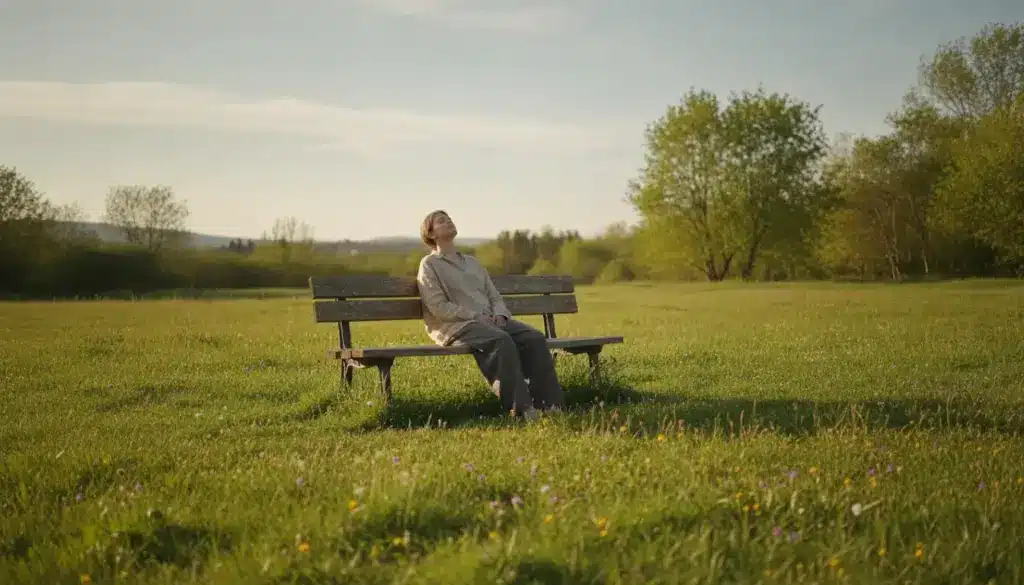
- Add “free time” to your schedule. Sounds contradictory, right? But before you start enjoying doing nothing, you need to make time for relaxation without any plans or tasks. I have a 15-minute window after lunch when I just sit and stare out the window.
- Go for a walk without a destination. The trick here is to walk aimlessly, just for the sake of walking. Listening to a podcast, calling a friend, or going to the grocery store doesn’t count.
- Do the activities that let you lose track of time: paint by numbers, play an instrument, try out $20 no deposit bonus Canada real money sites, or doodle. The key is to enjoy the process and not to expect a particular outcome.
- Don’t fill every gap. If your appointment is cancelled or you leave work earlier, don’t rush to fill that time with something “useful”. Just sit with the free time and learn to enjoy it.
We are all different, and what works for me might not work for you. My advice is to experiment with various options to find an approach and activity that works best for you.
Benefits of Open Time for Your Sleep Quality
I used to think that good sleep mostly depends on what happens right before bed: no late coffee, less screen time, and a cool bedroom. Yes, these things do help, but I’ve also noticed that the way I spend my evenings matters even more.
After finishing work, I jump straight into the household tasks. And when they are done, I start planning the next day, keeping my brain in a working mode. No wonder that even after going to bed, my thoughts are rushing and I can’t fall asleep. As if my brain doesn’t know that the day is over.
With time, I noticed that unstructured periods in the evening help me with this transition, and I fall asleep much faster. I take an aimless walk after dinner, read a book, or watch a football match, giving my mind a break. Regardless of the activity you choose, you allow your mind to wander and rest without carrying much of the day into the night.

The Value of Leaving Time Unplanned
As adults, we try to spend every minute of every day with use. But we often forget that free time is also valuable. Not because it helps us earn more money. Not because it makes us more productive. Just because it gives us a chance to enjoy ourselves.
While unstructured time doesn’t solve all our problems and doesn’t add extra hours to a day, it helps us reduce stress, unwind, and get ready for bed.
Hopefully, after reading this article, you’ll view your free time as a source of fun and joy, and will leave some space for yourself even when the schedule is tight.