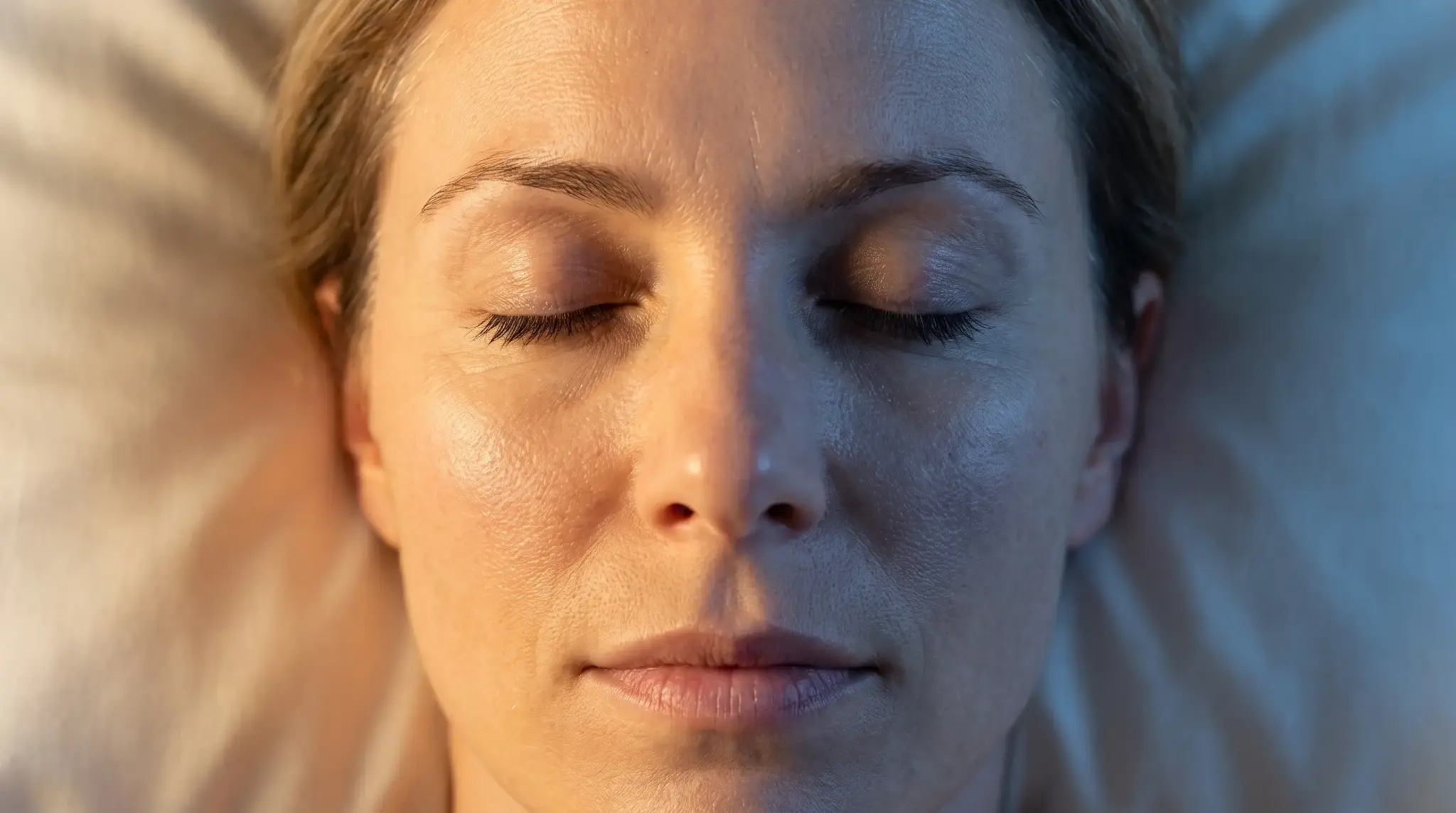

Morning dry mouth (clinically known as xerostomia) can range from a fleeting discomfort to a consistent signal that something more serious is happening during sleep. Knowing the difference matters, particularly since effective treatment for sleep apnea and other root causes has expanded considerably. The most common causes are laid out below, along with what each one may be telling you about your health.
What Actually Causes Dry Mouth Overnight?
Saliva production slows naturally during sleep, but it should not drop so drastically that you wake up parched every day. When it does, one or more specific causes are usually responsible, ranging from how you breathe to the medications in your system to an undiagnosed sleep disorder.
The Role of Saliva
Saliva does far more than keep your mouth comfortable. It neutralizes acids, washes away bacteria, and actively protects tooth enamel throughout the day and night. When saliva output falls short, the effects compound quickly – accelerated tooth decay, bad breath, inflamed gums, and difficulty swallowing or speaking.
There is also a clinical distinction worth knowing: xerostomia refers to the subjective sensation of oral dryness, whereas hyposalivation describes a measurable reduction in saliva output. The two conditions overlap frequently but are not identical. A person can feel persistently dry without clinically low salivary flow, and vice versa. Doctors assess them differently, which affects both diagnosis and care.
Is Mouth Breathing the Reason You Wake Up Dry?
Mouth breathing is the single most direct mechanical cause of morning dry mouth, but the reason it produces such pronounced dryness goes beyond simple evaporation. The nasal passages do more than move air; they warm, filter, and humidify it before it reaches the throat. When breathing shifts to the mouth, that entire conditioning system is bypassed, and unhumidified air passes directly over oral tissues for hours, stripping moisture far more aggressively than nasal airflow ever would.
What Forces Mouth Breathing in the First Place
Nasal congestion from allergies, sinus infections, or a deviated septum forces the body to find another airway. Back-sleeping can compound the problem by allowing soft tissues in the throat to partially collapse, narrowing nasal airflow. Identifying and addressing the nasal obstruction (whether through allergy management, nasal strips, or positional sleep adjustments) is one of the few fixes that targets mouth breathing at the source rather than its downstream effects.
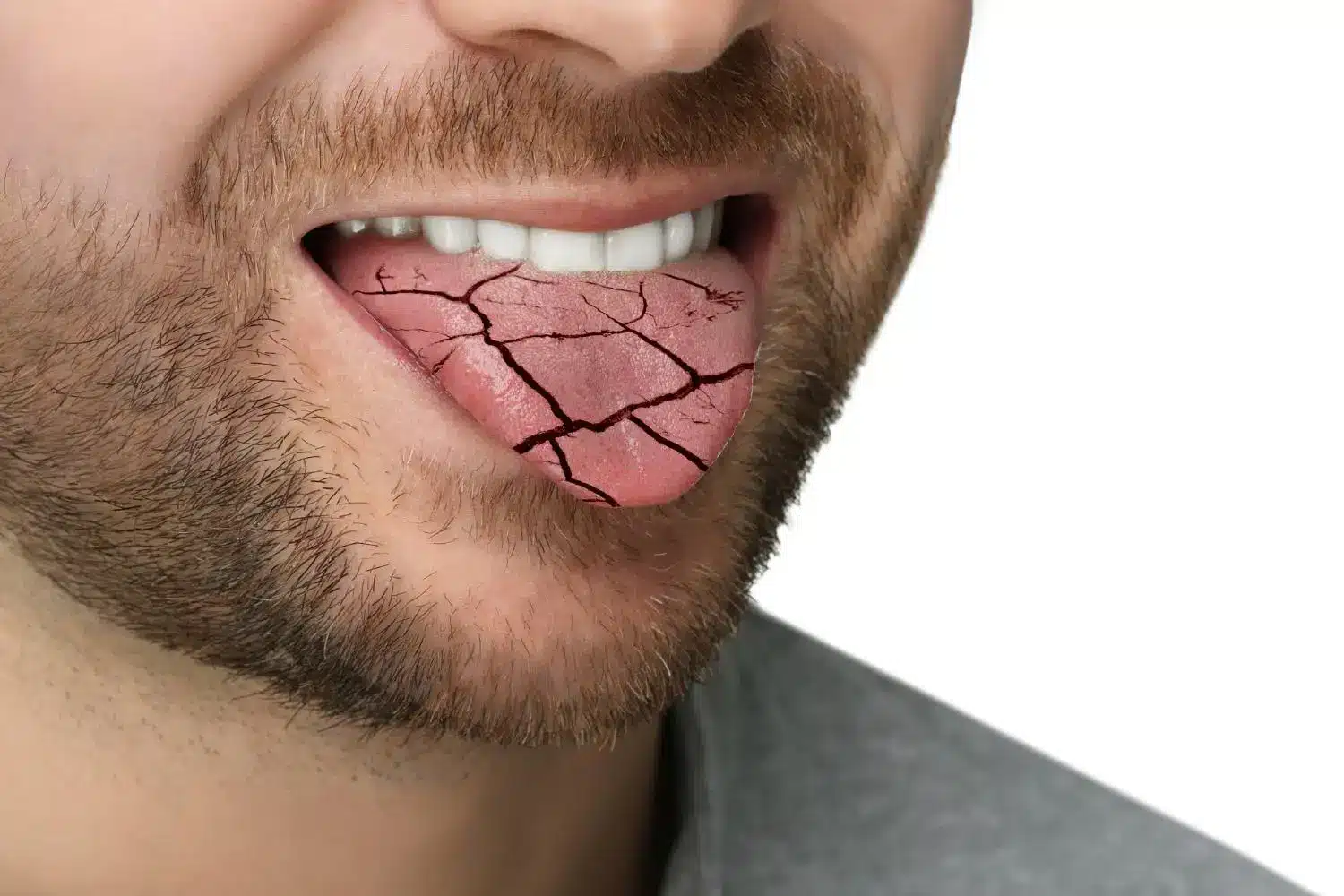
Do Your Medications Cause Dry Mouth While You Sleep?
The US Department of Health and Human Services has identified over 400 medications that list xerostomia as a known side effect, making drug-related dry mouth one of the most common and most overlooked explanations.
Drug Classes Most Likely to Dry Out Your Mouth
Antihistamines, antidepressants, antipsychotics, diuretics, blood pressure medications, and muscle relaxants all rank among the most frequent offenders. The compounding effect of polypharmacy is worth particular attention. Taking five or more medications simultaneously, a threshold increasingly common among adults over 65, correlates with substantially higher rates of xerostomia than any single drug produces alone. Research consistently identifies polypharmacy as one of the strongest independent predictors of chronic dry mouth in older adults.
One practical adjustment many physicians recommend: shifting medications to morning rather than evening doses can reduce overnight salivary suppression and improve morning symptoms. Always consult your prescribing physician before changing medication timing or dosage.
Can Lifestyle Habits Make Morning Dry Mouth Worse?
Alcohol, tobacco, and caffeine all suppress or interfere with saliva production, and consuming any of them in the hours before bed amplifies overnight dryness beyond what would otherwise occur.
Alcohol’s Hidden Effect on Saliva
Alcohol is both a diuretic and an acidic compound. It dehydrates mucous membranes and reduces salivary gland output simultaneously. Alcohol-based mouthwash used right before bed can have a similar effect, stripping oral moisture at precisely the moment saliva production is already slowing for sleep.
Tobacco carries a separate mechanism: a study comparing 100 smokers and 100 non-smokers found that 39% of smokers experienced dry mouth, against just 12% of non-smokers, pointing to a lasting alteration in salivary flow rather than a temporary dehydration response.
Caffeine consumed late in the day compounds dehydration at the cellular level, reducing saliva availability during sleep hours.
When Can Morning Dry Mouth Point to a Larger Problem?
Occasional morning dryness after a restless night is rarely a cause for clinical concern. Persistent dry mouth, particularly alongside loud snoring, gasping during sleep, morning headaches, or unexplained daytime fatigue, carries a different weight. Dry mouth has now been studied as a potential addition to the STOP-Bang questionnaire, the standard clinical tool used to screen for OSA. Research found that incorporating morning dry mouth into the questionnaire improved its diagnostic specificity for identifying OSA, suggesting the symptom has screening value beyond its role as a complaint.
Conditions That Cause Chronic Dry Mouth
Sjögren’s syndrome, an autoimmune disorder, attacks the salivary and lacrimal glands directly; research notes that 100% of people diagnosed with Sjögren’s report xerostomia.
Uncontrolled diabetes promotes systemic dehydration that diminishes saliva availability, with studies showing diabetic patients carry significantly higher odds of xerostomia compared to non-diabetic counterparts.
Alzheimer’s disease can impair the body’s recognition of thirst, leading to persistent under-hydration. Radiation therapy targeting the head or neck can permanently damage salivary gland tissue, depending on dosage and location.
What Can You Do About Waking Up With Dry Mouth?
Relief depends on the root cause. Symptomatic measures provide short-term comfort, but each one works through a different pathway, and understanding which pathway applies to you determines what is actually worth trying.
Practical Steps and Why They Work
Consistent daytime hydration maintains the fluid supply that salivary glands draw on during sleep. Drinking heavily right before bed does not improve overnight output; it mostly increases nighttime bathroom trips. A bedroom humidifier slows evaporation from oral tissues during mouth breathing. Xylitol-containing sugar-free gum is best used during waking hours to prime gland activity rather than as an overnight fix. Avoiding alcohol within three to four hours of sleep removes its dual dehydrating and acid-drying effect before saliva production naturally slows.
Addressing the Source, Especially Sleep Apnea
For patients with confirmed OSA, resolving the airway obstruction removes the condition that forces mouth breathing, ending the dryness at its source rather than compensating for it nightly. For those who cannot tolerate CPAP or find it compounds their dry mouth, implant-based neurostimulation offers a mask-free alternative that keeps the airway open by working with the body’s own breathing rhythm, with no airflow directed into the mouth.