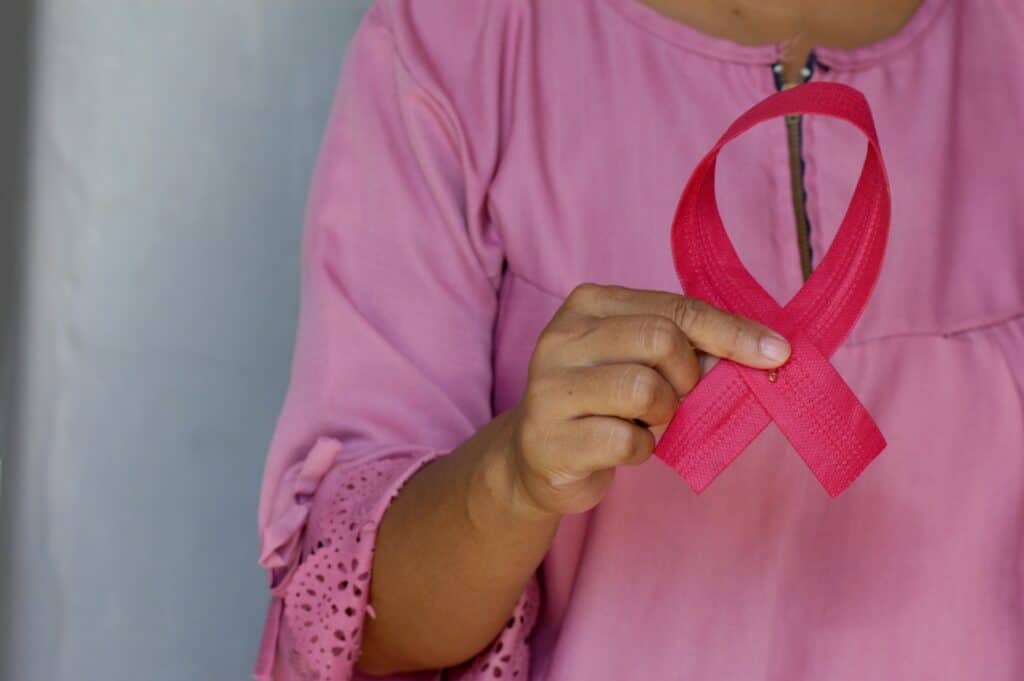
Breast cancer is one of the most widely discussed health conditions, yet for many people, understanding it still feels overwhelming. Between medical terminology, treatment options, and emotional weight, it’s easy to feel lost in the information.
At its core, though, breast cancer is about something very specific: changes in breast cells that begin to grow uncontrollably. The earlier those changes are recognized, the more options there are for treatment and recovery.
But beyond diagnosis and treatment, there’s another layer that often gets overlooked—how daily habits, especially rest and comfort, can support the body through every stage of the journey.
What Is Breast Cancer?
Breast cancer occurs when cells in the breast begin to grow abnormally and form a tumor. These tumors can be benign (non-cancerous) or malignant (cancerous). Malignant tumors have the potential to spread to other parts of the body if not treated early.
Breast cancer most commonly begins in the ducts (which carry milk to the nipple) or the lobules (which produce milk). While it primarily affects women, men can develop breast cancer as well, though it is much less common.
There are several types of breast cancer, each with its own characteristics and progression patterns. Some grow slowly, while others are more aggressive. This is why early detection plays such a critical role in outcomes.
Symptoms to Watch For
Breast cancer symptoms can vary from person to person. In some cases, there may be no noticeable signs in the early stages, which is why routine screenings are so important.
However, some of the most common symptoms include:
- A lump in the breast or underarm area
- Changes in the size or shape of the breast
- Skin dimpling or a texture similar to an orange peel
- Nipple discharge that is not breast milk
- Pain in a specific area that doesn’t go away
- Redness or swelling in part of the breast
It’s important to remember that not every lump or change is cancer. However, any unusual or persistent change should be evaluated by a healthcare professional.
What Causes Breast Cancer?
There isn’t a single cause of breast cancer. Instead, it develops due to a combination of genetic, environmental, and lifestyle factors.
Some of the most common risk factors include:
- Age: Risk increases as you get older
- Family history: A history of breast cancer in close relatives
- Genetic mutations: Such as BRCA1 or BRCA2
- Hormonal factors: Including early menstruation or late menopause
- Lifestyle factors: Such as alcohol consumption, physical inactivity, and obesity
While some risk factors can’t be controlled, others can be influenced by lifestyle choices. This is where prevention and overall health management come into play.
How Breast Cancer Is Diagnosed
Diagnosis typically begins with screening or noticing symptoms. From there, doctors use several tools to confirm whether cancer is present.
These may include:
- Mammograms: X-ray imaging used to detect abnormalities
- Ultrasounds: Often used to examine suspicious areas more closely
- Biopsies: A sample of tissue is taken and analyzed
- MRI scans: In certain cases, to get a more detailed view
Each step helps build a clearer picture of what’s happening and what the next steps should be.
Treatment Options
Breast cancer treatment depends on the type, stage, and individual health factors. There is no one-size-fits-all approach, which is why treatment plans are often personalized.
Common treatment options include:
- Surgery: Removing the tumor or affected breast tissue
- Radiation therapy: Using high-energy rays to target cancer cells
- Chemotherapy: Medications that destroy or slow cancer growth
- Hormone therapy: Blocking hormones that fuel certain cancers
- Targeted therapy: Focusing on specific characteristics of cancer cells
Treatment can be physically and emotionally demanding. Side effects like fatigue, discomfort, and changes in mobility can affect daily life, which is why supportive care becomes just as important as the treatment itself.
The Role of Rest in Recovery
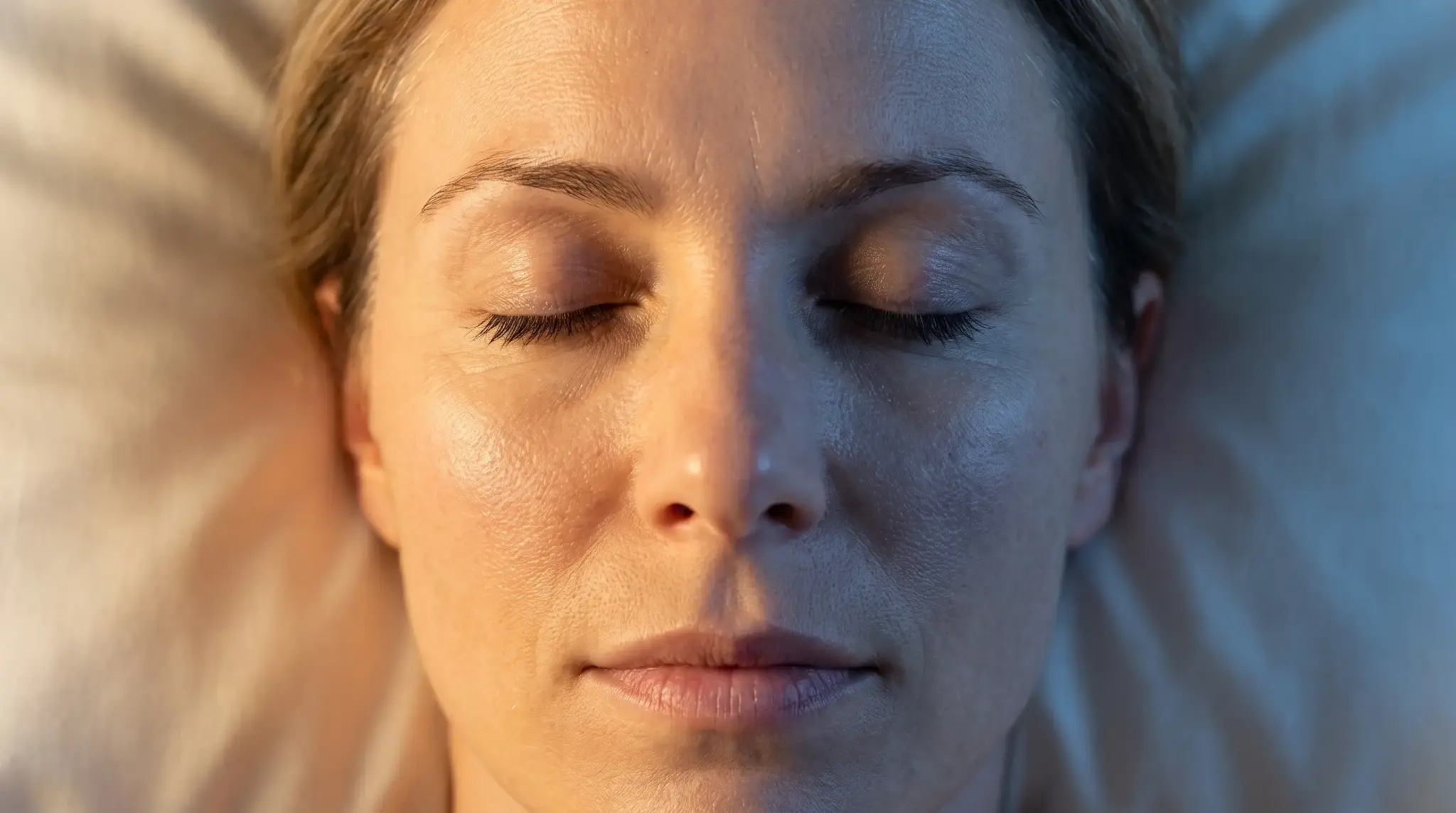
During treatment and recovery, the body is under significant stress. Healing requires energy, and that energy is closely tied to how well you rest.
Sleep isn’t just about feeling refreshed—it plays a direct role in immune function, tissue repair, and overall resilience. Poor sleep can make fatigue worse, increase discomfort, and slow down recovery.
This is where creating a comfortable sleep environment becomes essential.
Many patients find that traditional sleeping positions become uncomfortable during treatment, especially after surgery or during radiation therapy. Adjusting how you rest—elevating your upper body, reducing pressure points, and supporting proper alignment—can make a noticeable difference.
Solutions like those offered by Easy Rest are designed to help people find more supportive and adaptable sleep positions. Being able to adjust your sleeping position can reduce strain, improve circulation, and make it easier to relax, especially when dealing with discomfort or limited mobility.
It’s not about luxury—it’s about making recovery more manageable, one night at a time.
Prevention and Long-Term Health
While not all cases of breast cancer can be prevented, there are steps that can help reduce risk and support overall health:
- Regular screenings: Mammograms and check-ups for early detection
- Staying active: Regular movement supports overall health
- Balanced nutrition: A diet rich in whole foods
- Limiting alcohol consumption
- Maintaining a healthy weight
Prevention also includes being aware of your body. Knowing what’s normal for you makes it easier to notice when something changes.
Supporting Yourself Beyond Treatment
Breast cancer is not just a medical condition—it’s an experience that affects daily life, routines, and emotional well-being.
Support doesn’t stop at treatment. It continues through recovery, adjustment, and returning to everyday activities.
Simple things can make a big difference:
- Creating a comfortable home environment
- Allowing time for rest without guilt
- Accepting help from others when needed
- Building routines that prioritize both physical and mental health
The goal isn’t to go back to “normal” immediately. It’s to move forward in a way that supports your body and your pace.
Finding Balance Through the Process
Understanding breast cancer is the first step. Managing it—through treatment, recovery, and prevention—is a journey that requires both medical care and personal support systems.
Rest, comfort, and daily habits may seem small compared to medical treatments, but they play a meaningful role in how you feel and recover.
By combining medical guidance with supportive lifestyle choices, you create a more balanced approach—one that doesn’t just focus on treating the condition, but on supporting the person going through it.
And that’s where real progress happens.