
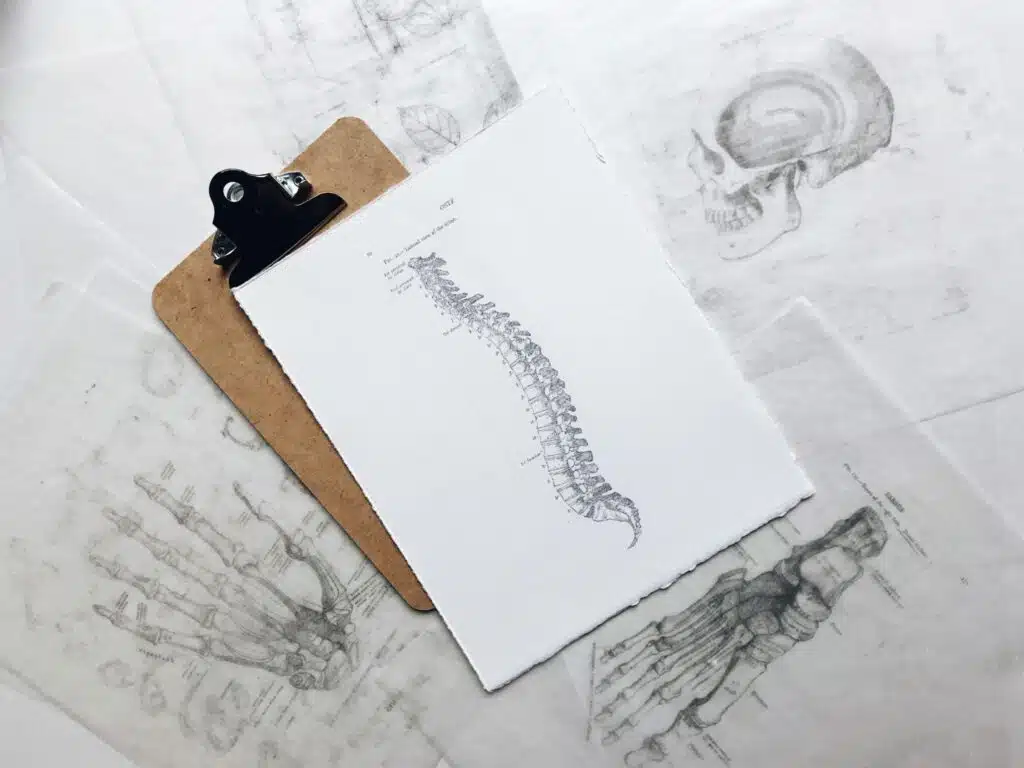
Spinal health plays a far greater role in daily rest than many people realise. While sleep quality is often discussed in relation to stress, screen time, or sleep schedules, the physical condition of the spine directly affects how the body recovers overnight.
The spine supports body weight, protects the nervous system, stabilises movement, and influences posture throughout the day. When spinal alignment is compromised through poor posture, muscular imbalance, repetitive strain, or inadequate support during sleep, the body often struggles to fully relax during rest periods.
This relationship between spinal health and recovery has become increasingly important as modern lifestyles involve longer sitting hours, reduced movement, and more time spent using digital devices. Physiotherapists, chiropractors, sleep specialists, and orthopaedic practitioners are all seeing growing numbers of people experiencing discomfort linked to prolonged sedentary routines.
Across the UK, back pain remains one of the most common physical health complaints affecting adults, particularly among office workers and older populations.
Poor Spinal Support Often Disrupts Sleep
One of the most direct ways spinal health affects rest is through sleeping posture.
When the spine is not adequately supported during sleep, muscles often remain partially engaged throughout the night in an attempt to stabilise the body. This can contribute to stiffness, pressure around joints, interrupted sleep cycles, and discomfort upon waking.
Mattress firmness, pillow height, and sleep position all influence spinal alignment overnight. Side sleepers, for example, generally require different support conditions compared with back or stomach sleepers.
Research into sleep ergonomics increasingly focuses on maintaining neutral spinal positioning during rest. Poor support can increase tension around the lower back, shoulders, and cervical spine, particularly during longer sleep periods.
Modern work patterns are also contributing to spinal strain before people even reach bed. Long hours spent sitting at desks or looking downward at phones place repeated pressure on the neck and lower spine throughout the day.
Over time, these habits can affect muscle balance and joint mobility, making restful sleep more difficult even with good sleeping conditions.
Physical Therapy And Recovery Approaches
As awareness around spinal health increases, more people are seeking structured rehabilitation support before discomfort develops into long-term mobility problems.
Treatment approaches now focus less on temporary symptom relief alone and more on movement quality, posture correction, spinal stability, muscular balance, and nervous system function. Physiotherapy, guided exercise, chiropractic care, and mobility-based rehabilitation are increasingly being combined together as part of broader recovery programmes.
This growing focus on spinal recovery is also connected to how the brain processes movement and body awareness. In a recent article discussing chiropractic adjustments, Epoch Lincoln explains that “an adjustment gives the brain a burst of fresh, accurate information,” helping improve how the nervous system interprets movement and position throughout the body.
That neurological connection is one reason many rehabilitation programmes now focus on both spinal mechanics and nervous system regulation together rather than treating the spine purely as a structural issue.
Physical therapy has become especially important for individuals recovering from injuries, surgeries, repetitive strain conditions, or long-term sedentary work patterns. In many cases, improving spinal stability and movement quality also improves sleep consistency because the body experiences less overnight tension, reduced joint irritation, and fewer pressure-related sleep interruptions.
Why Modern Lifestyles Affect The Spine
Modern environments place the spine under very different conditions compared with previous generations.
Large portions of the population now spend most of the day sitting in offices, commuting in vehicles, or using digital devices indoors. These routines reduce overall movement variability and increase static loading on spinal structures.
Forward head posture associated with smartphone and laptop use has become particularly common. Repeated downward neck positioning increases strain on cervical muscles and upper spinal joints over time.
Health researchers associate prolonged sedentary behaviour with spinal discomfort, reduced flexibility, and postural imbalance.
Even small daily habits contribute to long-term spinal stress. Poor workstation ergonomics, unsupportive seating, limited stretching, and reduced core muscle activity all affect how the spine handles pressure throughout the day.
The Nervous System Also Depends On Spinal Health
The spine does not function purely as a structural support system. It also protects the spinal cord, which forms one of the body’s central communication pathways.
When spinal joints, discs, or surrounding muscles become irritated, nerve-related symptoms can sometimes develop alongside physical discomfort. Tingling sensations, radiating pain, muscle tightness, or restricted movement may all interfere with the body’s ability to fully relax during sleep.
This is one reason chronic spinal discomfort often contributes to fragmented rest patterns. The body may struggle to remain in comfortable sleeping positions for extended periods without interruption.
Recovery During Sleep Is Physically Important
Sleep itself plays a major role in physical recovery processes connected to the spine.
During deeper sleep stages, the body performs tissue repair, muscle recovery, and inflammatory regulation. Reduced sleep quality can therefore slow recovery from physical strain or musculoskeletal injury.
This creates a cycle where spinal discomfort disrupts sleep, while reduced sleep quality also limits physical recovery capacity.
Consistent rest supports muscular repair around the spine itself. Stabilising muscles surrounding the back and core require recovery periods to maintain proper support function.
Movement Is Becoming Part Of Preventive Care
Many healthcare professionals now encourage movement-based prevention rather than waiting for significant spinal pain to develop.
Walking, stretching, resistance training, swimming, and mobility exercises are all commonly recommended to improve spinal support and reduce long-term stiffness.
Core stability has become a particularly important focus because abdominal and lower back muscles help distribute pressure across the spine during movement and sitting.
In workplaces across the UK, adjustable desks, ergonomic chairs, posture education, and active break recommendations are becoming increasingly common as awareness around spinal health grows.
Sleep Environments Matter More Than Before
The design of sleep environments has also become more closely linked with spinal support.
Mattress manufacturers increasingly market products around pressure distribution, posture alignment, and orthopaedic support rather than softness alone. Adjustable beds, ergonomic pillows, and temperature-regulated sleep surfaces are also becoming more widely used among people managing chronic back discomfort.
Room temperature and sleep consistency matter as well. Poor sleep environments can increase overnight restlessness, which often worsens discomfort around sensitive spinal areas.
Quality rest depends on both neurological relaxation and physical support conditions working together.
Spinal Health Is Closely Connected To Daily Recovery
The relationship between spinal health and rest extends far beyond occasional back pain.
The spine influences posture, muscular balance, mobility, nervous system function, and overnight recovery quality. When spinal strain builds gradually through modern work patterns or poor support conditions, the body often loses part of its ability to recover effectively during sleep.
At the same time, poor sleep quality can increase physical tension, reduce tissue recovery, and worsen existing spinal discomfort.
Because of this connection, more people are beginning to approach spinal health and sleep quality as part of the same broader recovery system rather than as separate issues entirely.
As awareness continues growing, physical therapy, ergonomic improvements, supportive sleep environments, and movement-focused routines are all becoming increasingly important parts of maintaining long-term spinal wellbeing and more restorative rest.