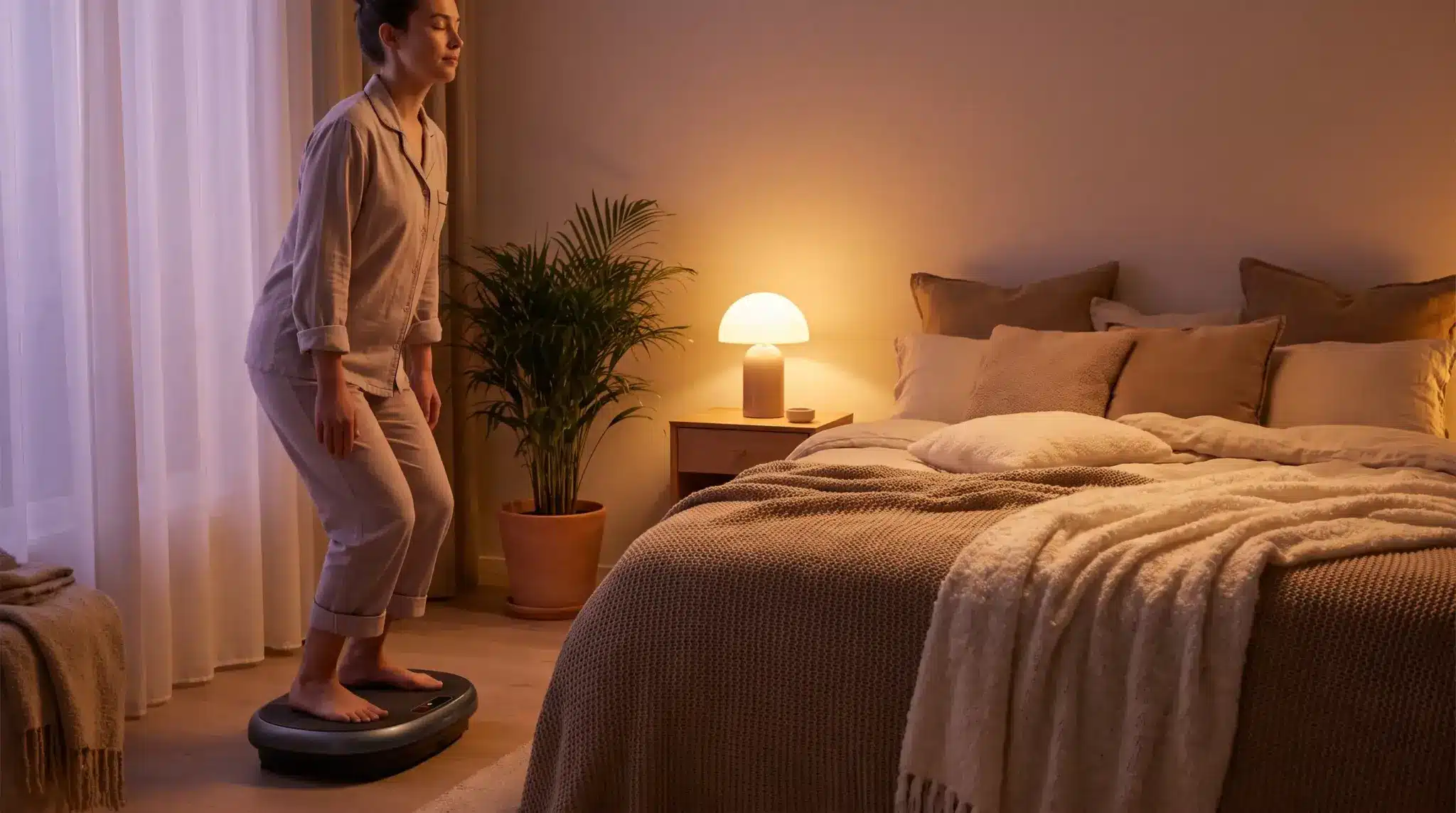
Hot upstairs bedrooms are a common challenge for homeowners, particularly during the summer months. Heat naturally rises, causing upper floors to become significantly warmer than lower levels. Many people struggle with sleepless nights, tossing and turning as their bedrooms become uncomfortably hot. Installing a 3 zone mini split or a high-efficiency mini split AC unit provides targeted cooling, allowing precise temperature control in individual rooms. By focusing on the spaces that are actually in use, these systems create a more comfortable sleep environment while improving energy efficiency and reducing utility costs.
Why Hot Upstairs Bedrooms Make Sleep Difficult
Upstairs bedrooms are prone to higher temperatures for several reasons. Heat rises from lower floors, roof surfaces absorb sunlight during the day, and inadequate insulation can exacerbate the problem. Even a few degrees above the optimal sleep temperature of 60–67°F (15–19°C) can negatively affect sleep quality, causing restlessness, night sweats, and difficulty staying in deep sleep stages. Over time, this can lead to chronic fatigue and reduced cognitive performance the following day. Understanding the root cause of nighttime heat is key to implementing a solution that addresses both comfort and health.
How Temperature and Airflow Affect Sleep Quality
Temperature alone is not the only factor—airflow plays a critical role in maintaining a comfortable sleeping environment. Stagnant warm air can make a room feel hotter than the actual temperature reading. A 3 zone mini split addresses this by delivering consistent, controlled airflow directly into the rooms that are occupied. The ability to direct air evenly across the bedroom ensures that cool air reaches every corner, reducing hot spots and helping the body maintain its natural thermoregulation. This controlled airflow is especially beneficial for larger upstairs bedrooms or rooms with high ceilings, where traditional systems may struggle to maintain consistent cooling.
The Advantages of a 3 Zone Mini Split for Multi-Story Homes
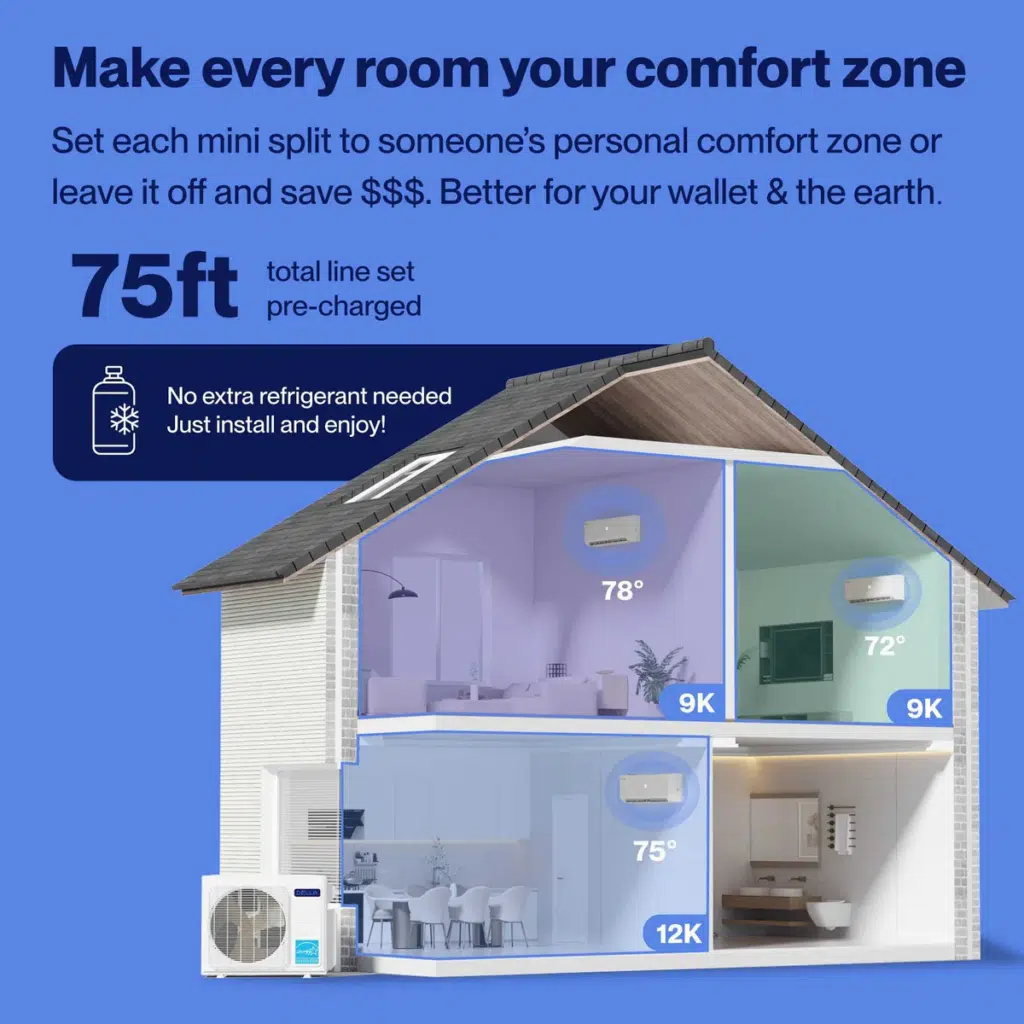
Unlike traditional whole-house HVAC systems, a 3 zone mini split allows independent temperature control for multiple zones. Homeowners can cool upstairs bedrooms without overcooling lower floors, optimizing energy usage and comfort. Each indoor unit comes with its own thermostat, allowing for precise temperature adjustments in individual rooms. Smart home integration adds additional convenience, enabling homeowners to set schedules, adjust settings remotely, or create automated cooling routines that match sleep patterns. Because the system targets only the rooms in use, it operates more quietly than a central air system, minimizing disruptions and promoting restful sleep. Additionally, limiting operation to needed zones reduces wear on the equipment, extending its lifespan and lowering maintenance costs.
Tips to Optimize Your 3 Zone Mini Split for Better Sleep
To maximize the benefits of a 3 zone mini split for upstairs bedrooms:
- Set the ideal temperature: Keep bedrooms within 60–67°F (15–19°C) for optimal sleep.
- Use programmable or smart thermostats: Schedule cooling to start before bedtime and gradually reduce in the morning.
- Ensure proper airflow: Keep vents clear, doors closed, and furniture arranged to avoid blocking airflow.
- Regular maintenance: Clean filters and inspect units seasonally to maintain efficiency and quiet operation.
- Consider ceiling fans or air circulation devices: These can complement the mini split by distributing cooled air more evenly.
Comparing Energy Use: Zoned Cooling vs Whole-House AC
Whole-house AC systems cool all rooms simultaneously, even unoccupied areas, leading to wasted energy and higher electricity bills. Zoned cooling focuses energy only on the rooms in use, reducing overall consumption by 20–40% in many multi-story homes. This makes a 3 zone mini split not only an effective solution for improving sleep quality but also a cost-conscious investment. Homeowners benefit from precise control, reduced energy waste, and a quieter environment—all of which contribute to better sleep and long-term comfort.