Poor sleep rarely has a single cause, but it almost always traces back to one root problem: your body’s internal clock has drifted totally out of sync.
The good news is that a Caribbean trip can reset it, and not just because the pace of life slows down while you’re there. There’s a more scientific reason behind why your next holiday may just be the best thing that’s ever happened to your sleep schedule.
What is a Circadian Reset?
Your circadian rhythm isn’t just another wellness term. It’s your 24-hour biological cycle that dictates when you feel alert and when you feel drowsy. It also controls when your body enters its deepest phases of cellular repair, which is why disrupting it has consequences that go well beyond just feeling tired the next morning.
Your body runs on light
Your body runs on light, not just time. Sunlight is the primary signal your brain uses to set your internal clock. That’s because morning light triggers a cortisol spike that wakes you up, and when it fades in the evening, your body starts to produce more melatonin (which is what makes you feel sleepy).
Without strong or consistent light signals, your body’s cycle starts to drift off course.
Screens from laptops and other devices emit a blue light that mimics daylight. So, the longer you use your devices, the longer your brain keeps postponing melatonin release. Add in inconsistent wake time and using bright overhead lighting at 10 p.m., and your body can’t tell what time it is anymore.
The Caribbean Sun Is Better Than Your Alarm Clock
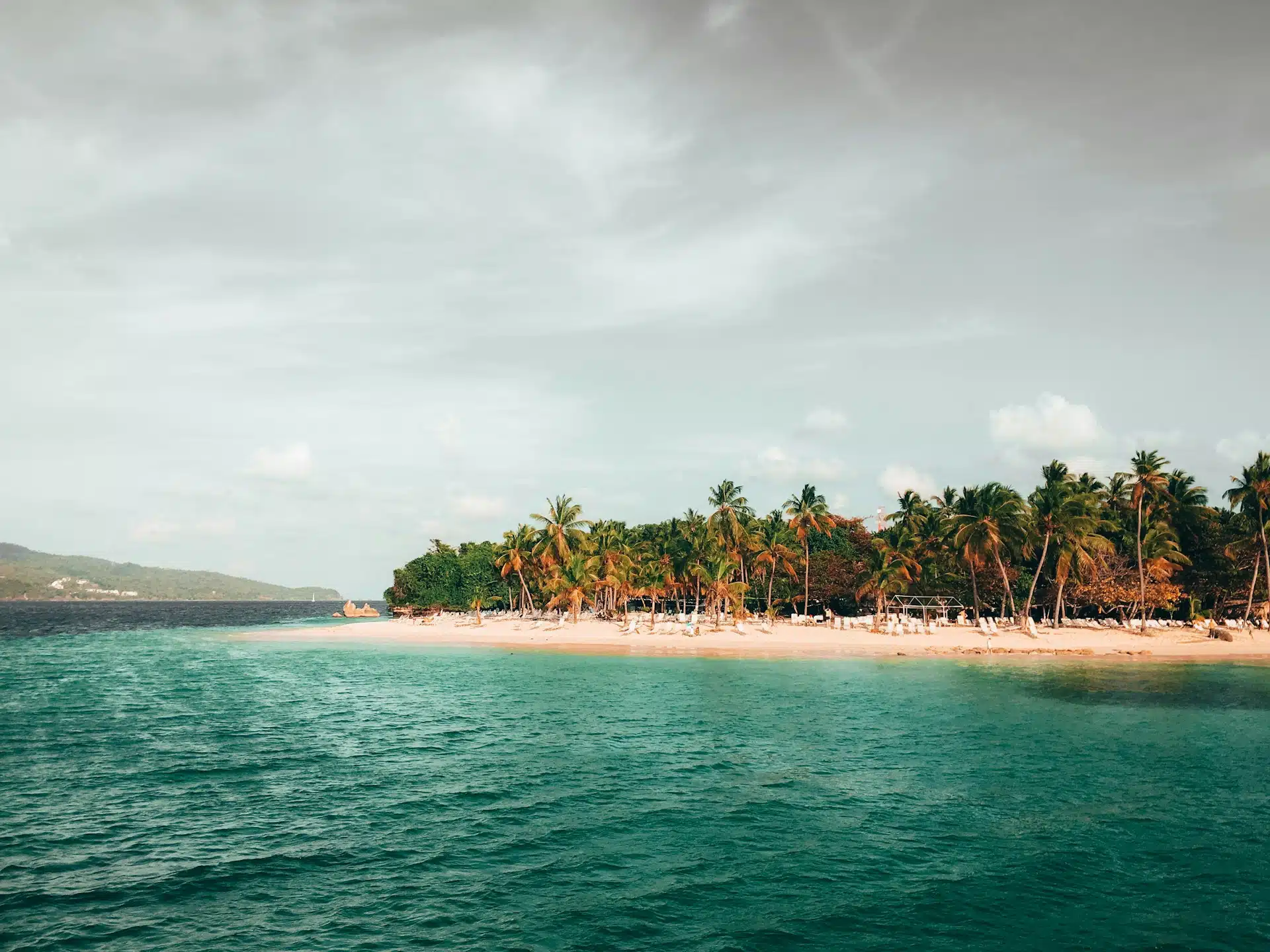
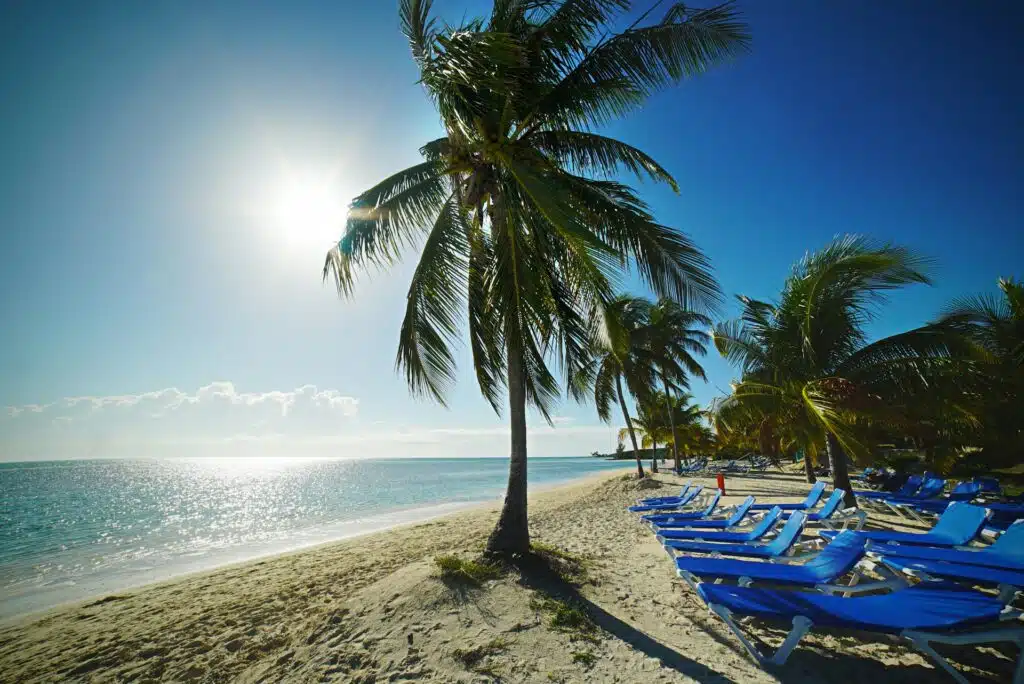
Near the equator, the sun rises and sets at roughly the same time year-round. That kind of consistency is exactly what your body needs. A balanced light-dark cycle gives your internal clock a clear system to regulate itself against.
Morning light in the Caribbean is also way stronger than what you’d get through an office window on a random Tuesday. Bright morning light is one of the fastest ways to shift your melatonin timing, which means a faster reset.
Travel Reinforces Better Sleep
A change of environment does more than just remove your usual, everyday stressors. It also removes the triggers that keep your sleep patterns locked into place.
When you’re on a Caribbean trip, you usually spend less time looking at a screen without even trying. Your evenings are spent having delicious dinners or walking through the quiet streets near the water.
Physical activity during the day also plays an important role because it increases slow-wave sleep, which is the stage of sleep that’s responsible for physical recovery. Swimming and walking excursions get you moving far more than a typical day at your desk, so make sure to pack a good pair of walking shoes into your suitcase.
The relaxation aspect of your vacation also counts. When you’re relaxed, your body has lower cortisol levels, which can help you to fall asleep more quickly and stay asleep for longer.
How to Use a Caribbean Trip to Reset Your Sleep
Aim to step outside before 9 a.m. and spend at least 20 minutes in direct light. This will align your circadian rhythm with local time.
You also need unfiltered natural light to send the right sleep signals to your brain. So, hold off on putting your sunglasses on for the first few minutes each morning to give your system a proper wake-up cue.
An eastern Caribbean cruise provides built-in wind-down time, with open decks and low lighting. When you ditch your screens to spend some time enjoying the sea air, you’re guaranteed a better night’s sleep.
Why the Effects Last Longer Than Your Vacation
A well-timed reset can last, but only if you reinforce it when you get home. The patterns you naturally fall into during your Caribbean trip can help you form new habits and create a new baseline for your body. Just try to keep the conditions at home reasonably close to what you experienced on the trip.
The trip gives you a reset, but what you do at home determines whether it lasts.