
Every year, millions of Muslims from across the globe answer one of the most profound calls a human heart can receive – the journey to the holy land of Saudi Arabia.
Whether you are preparing for the sacred rites of Hajj or embarking on a heartfelt Umrah, this trip is unlike any other travel experience in the world.
But spiritual readiness is only half the journey. Smart planning makes the difference between a stressful trip and a transformative one.
This ultimate pilgrim’s travel guide covers everything – visas, transport, holy sites, accommodation, and practical tips – so you can focus entirely on what truly matters: your faith.
When to Go: Hajj vs. Umrah
Choosing the right time to visit Saudi Arabia depends entirely on your intention.
Hajj occurs once a year during the Islamic month of Dhul Hijjah. Dates shift annually based on the lunar calendar, and participation requires an official Hajj visa with quota-based allocation from your country.
Umrah, on the other hand, can be performed any time of the year, offering more flexibility for travelers.
For a calmer, cooler experience, the winter months of November through February are ideal. Summers can be brutally hot, often exceeding 40°C, which demands extra preparation.
Plan your timing wisely – your comfort and focus during worship depend on it.
Visa and Entry Requirements
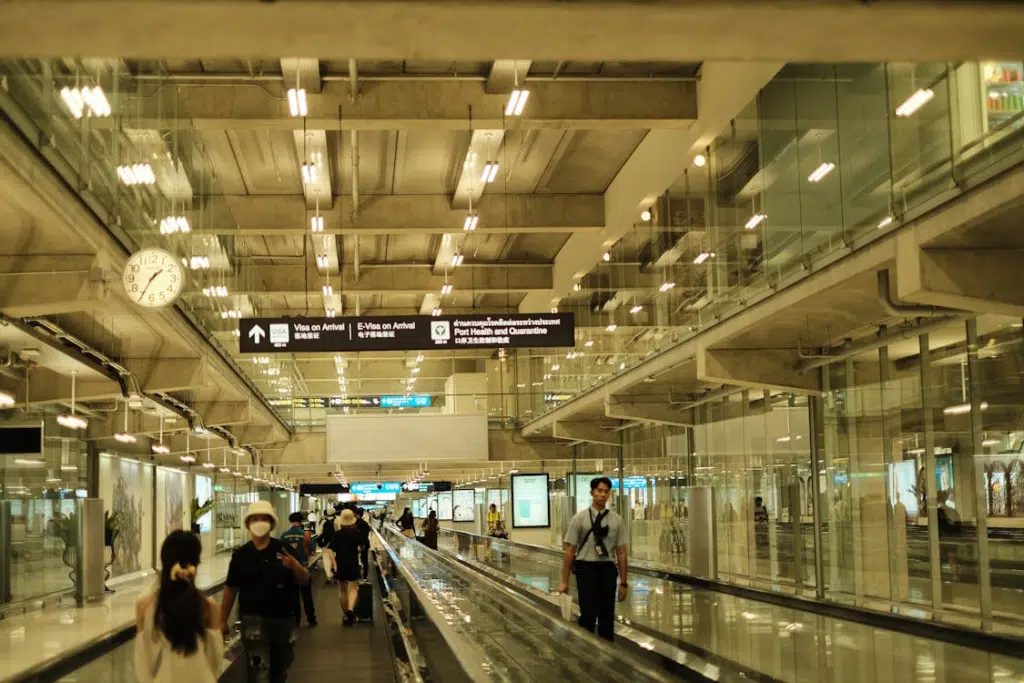
Getting your visa right is the foundation of a smooth pilgrimage.
For Hajj, pilgrims must apply through their country’s official Hajj mission. Slots are limited, so early registration is essential.
For Umrah, Saudi Arabia has streamlined the process significantly. Many nationalities can now apply online through the official Nusuk platform or through licensed travel agencies.
Key documents typically required include a valid passport (minimum six months validity), confirmed accommodation bookings, return flight tickets, and proof of vaccination – including meningitis and, in some cases, COVID-19.
Women under 45 may need to travel with a mahram. Always verify the latest requirements before applying.
Getting to Saudi Arabia
Saudi Arabia is well-connected to the world through three major international airports. Here is a quick overview to help you choose the best entry point for your pilgrimage.
| Airport | City | Best For | Key Airlines |
| King Abdulaziz International Airport | Jeddah | Mecca-bound pilgrims | Saudia, Emirates, Qatar Airways |
| Prince Mohammad Bin Abdulaziz Airport | Medina | Direct Medina arrivals | Flynas, Turkish Airlines, Saudia |
| King Khalid International Airport | Riyadh | Extended Saudi travel | British Airways, Etihad, Saudia |
Most pilgrims flying for Umrah land in Jeddah, which is the closest airport to Mecca. Those beginning their journey in Medina often fly directly into Medina’s airport for a seamless start.
✈️ Pro Tip: Book your flights at least three to four months in advance, especially during Ramadan and Dhul Hijjah, when demand skyrockets and fares can double overnight.
Getting Around Saudi Arabia – Transportation Tips
Navigating between cities during your pilgrimage is easier than ever, thanks to Saudi Arabia’s modern transport infrastructure. Here is what you need to know before you travel.
- Mecca to Medina train – For pilgrims traveling between the two holiest cities, the Mecca to Medina train is the most comfortable and efficient option, covering the distance in under two hours at high speed.
- Haramain High-Speed Railway – This world-class rail network connects Mecca, Medina, and Jeddah, making intercity travel fast, affordable, and air-conditioned, a true blessing during the heat.
- Mecca Metro – Exclusively operational during Hajj season, this shuttle metro connects the key pilgrimage sites including Mina, Arafat, and Muzdalifah.
- Taxis & Ride-Hailing – Uber and Careem operate widely across Saudi cities and are reliable for short inner-city trips.
- Buses – SAPTCO buses are budget-friendly and connect major cities, though they are slower and less comfortable for long distances.
Book your train tickets early – they sell out fast during peak pilgrimage seasons.
Where to Stay: Accommodation Guide
Finding the right place to stay can deeply impact your pilgrimage experience.
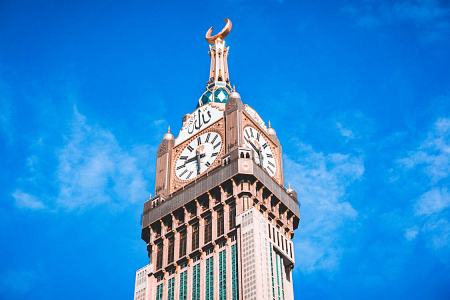
In Mecca, the closer you are to Masjid al-Haram, the better. Towers like Makkah Clock Royal Tower and Swissôtel sit steps from the Kaaba, while budget hotels in the Ajyad and Misfalah neighborhoods offer affordable proximity.
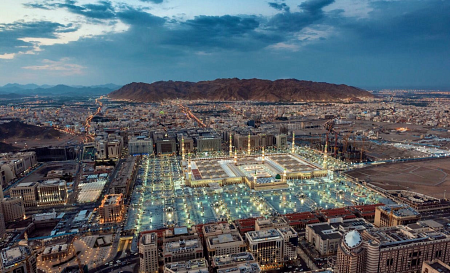
In Medina, accommodation near Masjid an-Nabawi fills up months in advance. Book early to secure a spot within walking distance of the Prophet’s Mosque.
For Jeddah, options are more relaxed and widely available, ideal if you plan a stopover before or after your pilgrimage.
Always book through verified platforms or licensed Hajj and Umrah operators to avoid scams.
Must-Visit Holy Sites
Saudi Arabia is home to some of the most spiritually significant locations on earth. Whether you are in Mecca, Medina, or Jeddah, each site carries centuries of history and deep religious meaning.
| City | Holy Site | Significance |
| Mecca | Masjid al-Haram & the Kaaba | The holiest mosque in Islam, direction of all Muslim prayer |
| Mecca | Zamzam Well | Sacred water source within the Haram, spiritually significant |
| Mecca | Jabal al-Nour | Cave of Hira, where the first Quranic revelation was received |
| Medina | Masjid an-Nabawi | The Prophet’s Mosque, second holiest site in Islam |
| Medina | Quba Mosque | The first mosque ever built in Islamic history |
| Medina | Al-Baqi Cemetery | Resting place of many companions of the Prophet |
| Jeddah | Al-Balad Historic District | UNESCO heritage site, rich in Islamic architecture and culture |
Each of these sites deserves your time, reflection, and respect.?
Important Note: Dress modestly at all times, follow site-specific rules for entry, and be mindful of restricted zones, particularly inside Masjid al-Haram and Masjid an-Nabawi.
Money, Budget & Practical Tips
Managing your finances wisely ensures a stress-free pilgrimage.
Saudi Arabia uses the Saudi Riyal (SAR). Currency exchange counters are widely available at airports, malls, and city centers, though airport rates are rarely favorable – exchange in the city where possible.
For an average Umrah trip, budget roughly SAR 8,000–15,000 per person, covering flights, hotels, and daily expenses, depending on the season and accommodation class.
Cards are widely accepted across hotels, restaurants, and shops. However, carry some cash for smaller vendors, mosques, and rural markets.
Useful apps to download include Nusuk for pilgrimage services, Google Maps for navigation, and Muslim Pro for accurate prayer times throughout your journey.
Health & Safety Tips
Your physical well-being is just as important as your spiritual preparation.
Saudi Arabia’s heat is no small matter. Temperatures in Mecca can exceed 45°C during summer months, so carry a reusable water bottle, wear lightweight breathable clothing, and never underestimate the risk of heatstroke during outdoor rituals.
Vaccinations are mandatory for entry – meningitis (ACWY) is required for all pilgrims, and yellow fever is needed if traveling from certain countries. Consult your doctor at least six weeks before departure.
Crowd safety is critical, especially during Hajj. Stay close to your group, memorize your hotel address, and keep emergency contacts saved offline.
In case of medical need, Mecca and Medina have well-equipped hospitals with multilingual staff ready to assist pilgrims.
Conclusion
A pilgrimage to Saudi Arabia is not just a journey across borders – it is a journey inward, toward faith, gratitude, and devotion.
With the right preparation, every logistical detail – from your visa and flights to your accommodation and transport – falls into place, leaving your heart free to fully embrace the experience.
Start planning early. Book your accommodation months in advance. Secure your train or transport connections between cities. And most importantly, travel with intention.
The holy cities of Mecca and Medina have welcomed pilgrims for centuries. With this guide in hand, you are one step closer to joining millions of believers in one of the most extraordinary spiritual journeys on earth.
May your pilgrimage be accepted. Ameen.