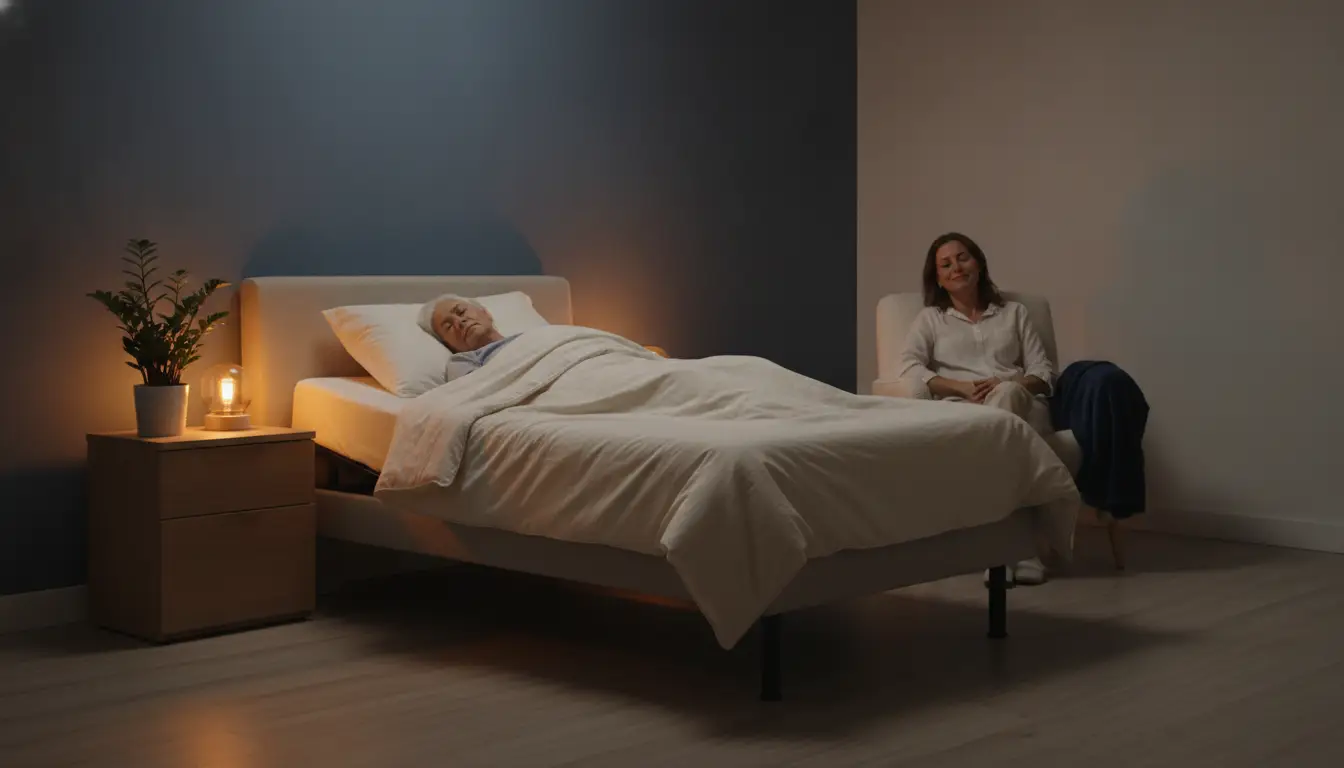

Of the four pillars of health, sleep being one of them most people never achieve the deep, restful sleep their body craves. There are many different factors that go into this such as evening out stress-cycles and screen time and other environmental conditions, but there is one very important aspect of health that gets little attention: your circulatory state. Blood flow is really integral to how we sleep, and affects everything from physical comfort to nighttime recovery mechanisms.
An undisturbed blood circulation is necessary to be able to relax, repair, and keep our equilibrium while we are sleeping. And those circumstances cause discomfort, stirs the restlessness of sleep. Recognizing this link can lead to a greater understanding which can help encourage permanent behavioural changes for better sleep quality.
How Circulation Relates to Sleep
The circulatory system provides oxygen and nutrients to every organ in the body, while eliminating metabolic waste. This system continues to exercise throughout sleep, helping support processes including tissue repair, immune function and hormone regulation.
Good circulation makes sure those muscles and organs have the resources they need to recover from daily activity. And one of which helps in regulating body temperature, a crucial aspect for keeping a proper sleep cycle. If circulation is impaired, these processes can become disrupted and one experiences lighter sleep that does not refresh them as completely normal restorative sleep would do.
The relationship is beyond incidental circulation and sleep are intricately linked; each influences the quality, and length of rest.
How Poor Circulation Disrupts Sleep
There are a few manifestations of circulatory disorders that interfere with sleep. People may also have tingling or numbness like sensation, heaviness in the legs. Many of these symptoms manifest at night when a person is resting, which can result in difficulties both falling asleep and staying asleep.
When blood flow is restricted or impaired, clotting tissues and muscle cramps can form — these force people to move a lot at night. It not only impedes sleep but can also keep the body from falling into restorative phases of slumber where blood pressure and heart rate lower, both essential to bounce back.
Another frequent problem, with poor circulation is swelling in the lower limbs. You have pain while lying down, which leads to you remain woke and connected which definitely doesn’t help with sleep.
Nighttime Comfort: How Your Veins Play a Role
Veins are responsible for the return of blood to the heart, specifically from lower parts of the body. Veins may become unable to function well and, as a result, blood may pool in the legs; pressure goes up and causes pain.
This form of circulatory inefficiency is also associated with certain conditions like varicose veins. However, beneath the superficial layer and beneath the surface they can have symptoms that are a bigger issue and drastically affect quality of sleep. Legs are a common site of aching, throbbing, heaviness that can complicate winding down at night.
They undermine the comfort of our sleep and its quality, therefore caring about vein health is a necessary step to improve them.
Why Sleep Position and Alignment Is Important
The position of the body during sleep can affect circulation directly. Balance reduces the restriction of blood flow. Sleeping in positions that compress blood vessels or put too much pressure on specific areas can reduce circulation and so lead to pain.
Lying with the legs slightly elevated is a rudimentary yet effective measure to facilitate venous return. It places gravity on the side of getting blood moving back toward the heart, lowering veins pressure and providing symptomatic relief from swelling and/or heaviness.
By supporting the body in a neutral spine position, you can improve circulation through suitable bedding and subsequently sleep more comfortably and restoratively.
Knowing When to Ask for Medical Support

Lifestyle changes can help but if symptoms linger, further evaluation is necessary. Pressing and crushing pain, swollen limbs, noticeable veins or persistent lack of sleep should never be overlooked as they can indicate chronic circulatory diseases.
It may be useful to seek help from specialists working on vascularity who will provide greater context and offer advanced treatments. Our clients can benefit greatly from more services such as Taylor Vein Solutions seeking to treat the underlying causes of their symptoms. With advanced diagnostic tools and minimally invasive treatments to restore circulation, these specialists help patients improve their overall quality of life.
If you seek treatment early on, vein-related conditions can be prevented from progressing, and thus response rates to treatments are also higher.
How Treatment Affects Sleep Quality
Proper treatment of circulatory problems can have a significant impact on sleep. Most of the symptoms that keep sleep away, can be managed by improving blood circulation as well as less pressure in the veins.
Post-treatment surveys by patients show reduced discomfort, reduced restlessness, and improved sleep quantity and quality. Which, in turn gives you more energy and a better mood doing your daily leveled stuff.
And the benefits go further than a good night. Better sleep helps to support your health & wellbeing creating the helper-hero effect.
Establishing a Sleep Environment That Favors Circulation
The environment in which one sleeps also contains an important degree of healthy circulation. If made of supportive material that helps to keep the body in alignment, it can reduce pressure points and promote weight distribution across the entire surface. Pillows are strategically used to support the legs and keep them elevated, this increases blood flow.
Thermal and comfort is also quite significant. A cool and well-ventilated environment will complement the benefits of a better circulation combining also with the natural sleep processes of our body.
By optimising the sleepy environment the positive effects of healthy circulatory habits can be prescribed to individuals in their daily life.
A Comprehensive Strategy for Improved Sleep
Better sleep can only be achieved by looking at numerous internal and external causes all at once. One critical piece to this equation is circulatory health; it dictates how the body operates at rest.
When you couple healthy lifestyle habits while employing the right positions for sleeping and, if the case arises, medication assistance, they form a perfect plan that covers as much ground as possible in terms of sleep health. This bigger-picture point of view came to acknowledge that sleep is not an isolated phenomenon but one deeply tied to health as a whole.
So, in focusing on circulation people can find new ways to enhance their sleep and improve the quality of their life.
Conclusion
There is a deep relationship between sleep and circulation, really influencing each other in significant ways. Having proper blood flow during sleep is also important in allowing the body to fully relax and recuperate, which ensures an optimum balance between parasympathetic and sympathetic pathways. On the other hand, inadequate blood flow results in discomfort, fidgeting and an interrupted sleeping pattern.
Knowing this bond in conjunction with implementing some strategies for circulatory health, one can sleep in a deeper and more restorative manner. Some changes regarding your sleeping position, lifestyle habits, and why not the environment can have a huge impact along with the professional care dealing with more complex matters.
When it comes to getting a better age there is one simple, yet equally powerful, easily forgotten tactic that can help with the best monitoring of circulation. When focusing on their vein health and vascular functioning, one can set up a system for deeper sleep, better overall well-being, and more energy in the day!