

Can sleeping on the right side after gallbladder surgery harm your recovery or slow down your healing process? I know how frustrating it feels when you can’t sleep in your usual comfortable position anymore.
After surgery, finding a comfortable sleeping position can be surprisingly tricky and important for your body’s healing.
Many people struggle with this exact problem and wonder when they can finally sleep normally again. Your body needs proper rest during recovery, but certain positions can cause pain or damage to incisions.
I’ve learned that understanding which positions help and which ones hurt makes your recovery journey smoother overall. Let’s learn how you can sleep comfortably and safely while your body recovers.
This information is for educational purposes only and should not replace professional medical advice from your doctor or surgeon.
Understanding Gallbladder Surgery and Recovery
Gallbladder surgery, called cholecystectomy, removes your gallbladder when it causes problems like painful gallstones or infections. Most surgeries today are laparoscopic, meaning doctors make small cuts instead of one large incision.
This method helps you recover faster and leaves smaller scars on your abdomen than traditional open surgery. Most people go home the same day or stay just one night in the hospital afterward.
You’ll likely feel sore and tired for the first one to two weeks after your surgery. Full recovery usually takes about 4 to 6 weeks, depending on your overall health and healing speed.
Common discomfort includes abdominal soreness, shoulder pain from surgical gas, and tenderness around the incision sites. These aches can make sleeping difficult, especially when you try lying in certain positions at night.
Can You Sleep on Your Right Side After Gallbladder Surgery?

Sleeping on your right side can be challenging right after gallbladder surgery because that’s where your incision is. Your gallbladder sits on the right side of your abdomen, just below your ribs.
Putting pressure on that spot too soon can cause pain, discomfort, and potentially slow down your healing. Most doctors recommend avoiding your right side for at least the first few weeks after surgery.
According to the Mayo Clinic, proper recovery after gallbladder removal surgery requires careful attention to positioning and activity restrictions during the healing period. As your incision heals and pain decreases, you may gradually be able to sleep on your right side again.
Everyone heals at different speeds, so there’s no exact timeline that works for every single person. Always follow your surgeon’s specific instructions about sleeping positions.
How to Sleep After Gallbladder Surgery: Ideal Sleeping Positions
Finding the right sleeping position after gallbladder surgery makes a huge difference in your comfort and recovery speed. I’ve learned that certain positions protect your incision while helping you rest better at night.
1. Sleep on Your Left Side

Sleeping on your left side takes all pressure off your right side, where your gallbladder incision is. This position also helps your digestive system work better, which is important after gallbladder removal surgery.
Place a pillow between your knees to keep your spine aligned and reduce strain on your body. Your left side allows your body to heal without putting weight directly on the surgical area.
2. Sleeping on Your Back
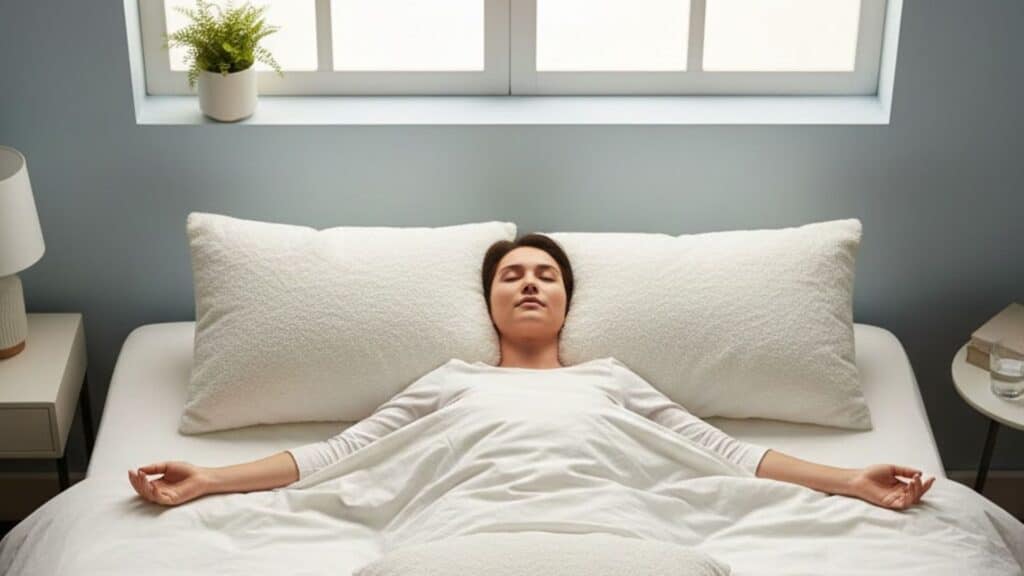
Sleeping flat on your back is often the most comfortable position during the first few weeks. This position distributes your body weight evenly and doesn’t put pressure on any specific incision site.
Use a pillow under your head and another under your knees for extra support and comfort. Many doctors recommend back sleeping as the safest option immediately after your gallbladder surgery procedure.
3. Elevating Your Head

Propping your upper body up at a slight angle helps reduce swelling and makes breathing easier. Use a wedge pillow or stack regular pillows to create a comfortable incline for sleeping.
This elevated position also helps prevent acid reflux, which can be common after gallbladder removal. The angle takes pressure off your abdomen and makes getting in and out of bed much easier.
4. Pillows for Extra Support

Strategic pillow placement around your body provides crucial support and prevents you from rolling onto your right side. Hug a pillow against your abdomen to cushion the area and reduce movement during sleep.
Place pillows behind your back if side sleeping to prevent accidentally rolling over during the night. Extra support helps you maintain comfortable positions longer, without waking up frequently due to pain or discomfort.
How to Sleep Comfortably After Gallbladder Surgery?
Getting good sleep after gallbladder surgery requires some planning and small adjustments to your routine and environment. Making these simple changes can dramatically improve your rest and speed up your recovery process overall.
- Adjusting Sleep Environment: Keep your bedroom cool, dark, and quiet, and use extra pillows to create a supportive nest.
- Pain Management Before Bed: Take your prescribed pain medication about 30 minutes before bedtime to reduce discomfort while sleeping.
- Gentle Movement and Stretching: Do light stretches like shoulder rolls and slow walking for five minutes to relax tense muscles.
- Positioning and Body Alignment: Maintain proper spine alignment by keeping your body straight and supported with pillows strategically placed around you.
I’ve found that combining these strategies works better than relying on just one method alone for comfort. Listen to your body and adjust these tips based on what helps you feel most rested.
When Can You Return to Sleeping Normally After Gallbladder Surgery?
Most people can return to their normal sleeping positions within 3 to 4 weeks after gallbladder surgery. However, everyone heals at their own pace, so your timeline might be slightly different from others.
You’ll know you’re ready when lying on your right side doesn’t cause pain or significant discomfort. Other signs include feeling more energetic during the day, needing less pain medication, and moving around easily.
If you can comfortably change positions in bed without wincing or feeling sharp pain, that’s another good sign. Try sleeping on your right side for short periods first to test how it feels.
If you experience pain, wait a few more days before trying again, and be patient. Always check with your doctor before making major changes to your sleeping position.
Final Words
Managing sleeping on the right side after gallbladder surgery requires patience, planning, and listening to your body’s signals carefully. I’ve researched that following proper sleeping guidelines makes recovery faster and much less painful for everyone.
Your body needs time to heal completely before returning to all your normal sleeping positions safely. Start with recommended positions like your left side or back, then gradually test your right side.
Pay attention to pain signals and never push through discomfort just to sleep in your preferred position. I believe small adjustments like using extra pillows make huge differences overnight.
Recovery takes time, but proper sleep protects your incisions and prevents complications. How has your recovery been going? Share your experiences below!