
The Overlooked Connection Between Work and Rest
When we think about better sleep, we think of beds and pillows and nighttime routines. Those are crucial, but there’s one more thing that subtly affects how well you sleep: your office.
Many people today spend long hours in front of desks. The line between job tiredness and rest quality has become more closely intertwined. Bad posture, unpleasant seating and cluttered settings don’t simply hinder your productivity – they accompany you into your rest time.
This is why ergonomic experts at Urban 411 office furniture in Dubai emphasize furniture that adapts to the user, rather than forcing the user to adapt to the chair
How Discomfort During the Day Affects Your Sleep
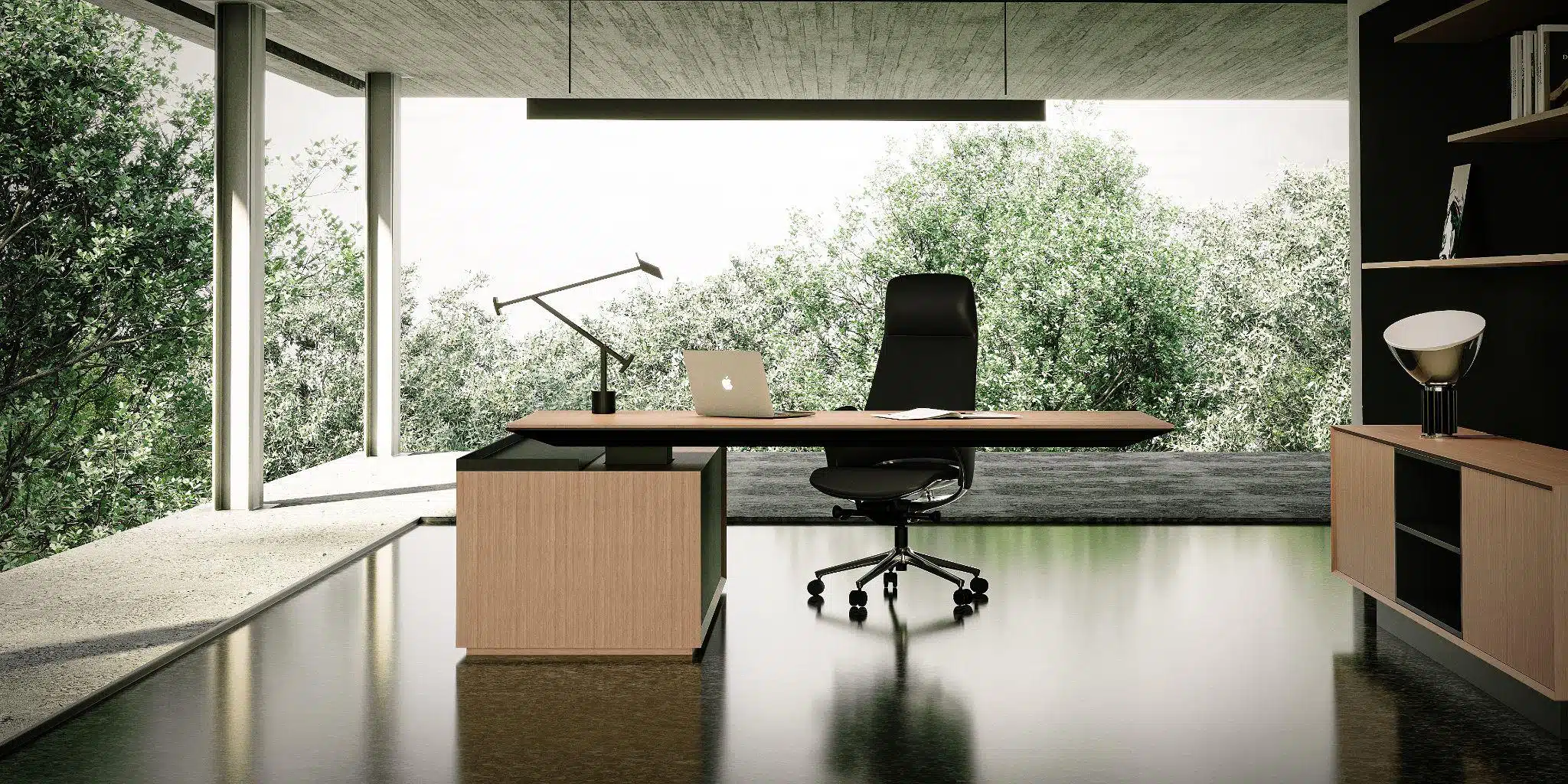
It might not seem obvious, but physical discomfort during working hours can directly impact sleep quality.
When your body experiences strain throughout the day, it becomes harder to fully relax at night. Common issues include:
- Back and neck pain from poor seating
- Muscle tension from sitting too long
- Eye strain from improper desk setup
These small discomforts build up over time, making it difficult for your body to transition into a restful state.
The Role of Ergonomics in Daily Comfort
Ergonomics is not just a workplace trend—it’s a key part of maintaining physical balance throughout the day.
A well-designed setup supports your natural posture and reduces strain. This includes:
- Chairs that support your lower back
- Desks positioned at the right height
- Screens aligned with eye level
Height-adjustable desks are becoming popular because they allow movement between sitting and standing, helping reduce fatigue.
When your body feels supported during the day, it becomes much easier to unwind at night.
The Day-to-Night Connection

Workspace Issue | The Nighttime Consequence |
|---|---|
Slouching/Tech Neck | Tension headaches that prevent deep sleep. |
Poor Lumbar Support | Lower back stiffness makes it hard to find a comfortable sleeping position. |
Blue Light/Glare | Suppressed melatonin production and “tired but wired” brain. |
Creating a Calm and Balanced Environment
Comfort is not only physical—it is also mental. The environment around you plays a major role in how you feel throughout the day.
Simple changes can make a big difference:
- Keeping your workspace clean and organized
- Using soft, neutral colors to reduce stress
- Ensuring proper lighting to avoid strain
These elements help create a sense of calm that carries into your rest time.
Why Rest Is a Lifestyle, Not a Moment
Good sleep doesn’t start when you lie down, it starts with how you live your day.
Your daily routine, posture, stress levels, and environment all influence your ability to rest properly. This is why modern wellness is shifting toward a more holistic approach, where both workspaces and sleeping spaces are designed with comfort in mind.
From supportive mattresses to ergonomic chairs, every element contributes to a more balanced lifestyle.
Small Changes That Make a Big Difference
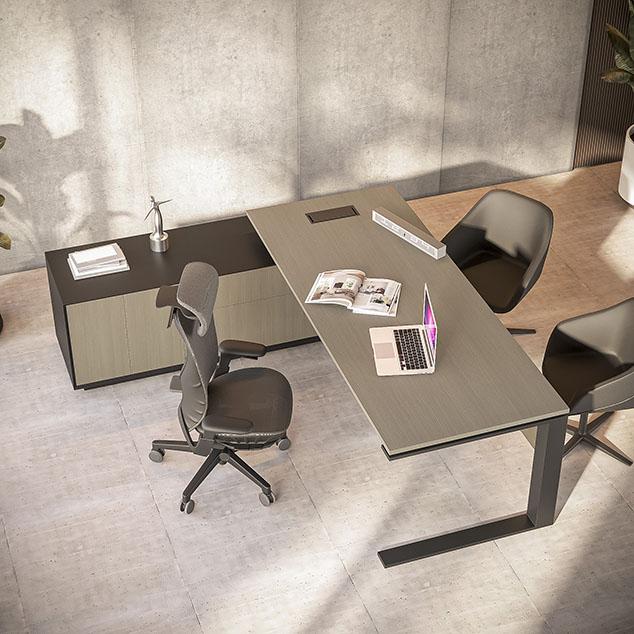
You don’t need a complete overhaul to improve your comfort and rest quality. Small, intentional changes can have a noticeable impact.
Try starting with:
- Adjusting your chair and desk height
- Taking short breaks to move during the day
- Keeping your workspace clutter-free
- Creating a relaxing bedtime routine
These steps help your body stay aligned and relaxed, making it easier to fall asleep and wake up refreshed.
The Balance Between Productivity and Relaxation
Modern life often pushes productivity to the forefront, but true efficiency comes from balance. When your body is supported during the day and properly rested at night, both your focus and energy improve naturally.
Creating this balance means paying attention to both your workspace and your sleep environment—two areas that are more connected than they seem.
Final Thoughts
Comfort should not be limited to your bed—it should extend throughout your entire day. The way you sit, work, and move all contribute to how well you rest at night.
By creating a supportive workspace and prioritizing relaxation, you build a routine that supports both productivity and wellbeing. Over time, these small improvements lead to better sleep, improved focus, and a healthier lifestyle overall.