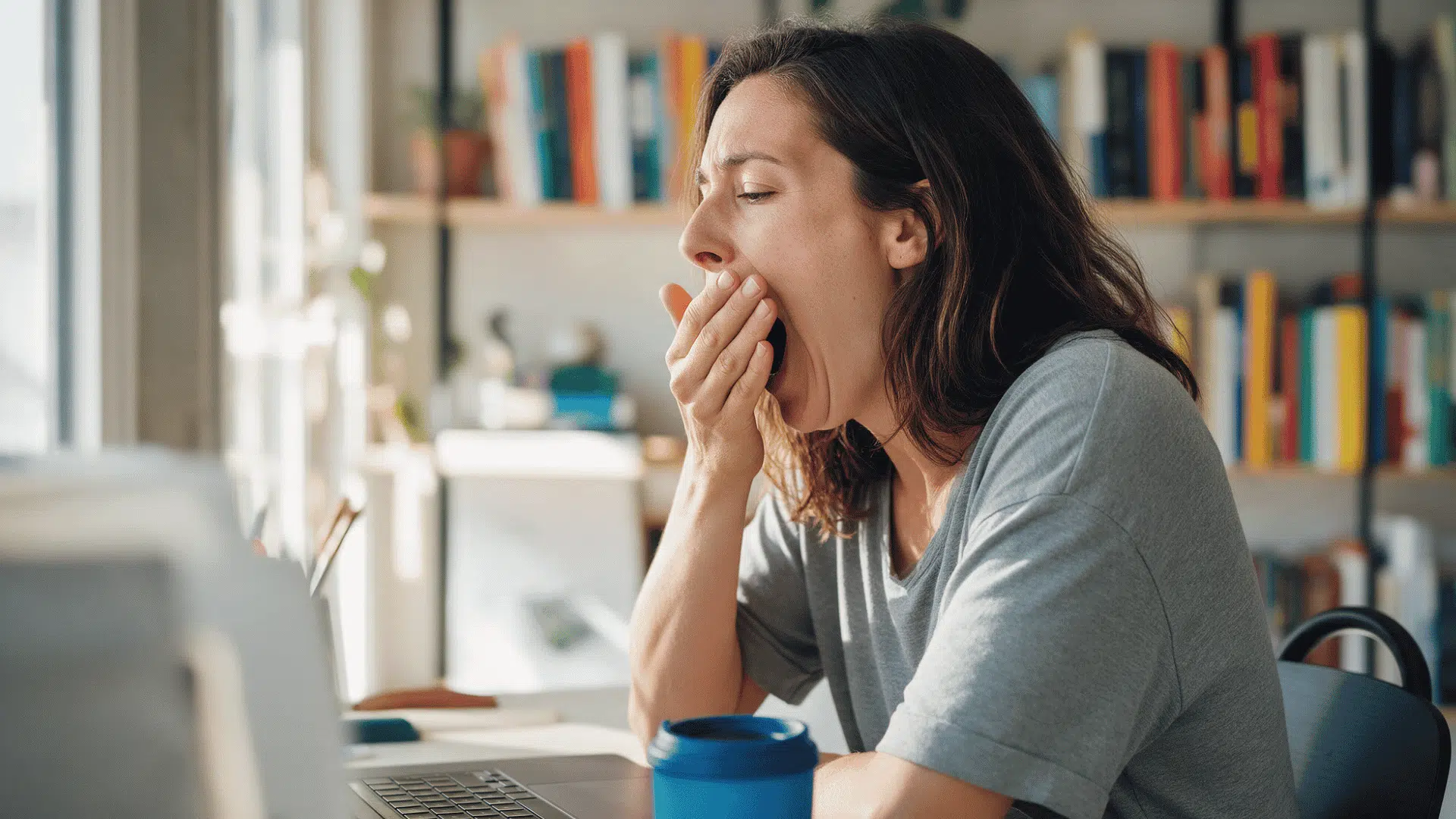


Waking up tired, snoring loudly, or gasping for air at night? I’ve been there, and these can be signs of sleep apnea. It’s more common than you might think. The good news? You don’t always need machines or medication to start feeling better.
Today, I’ll walk you through sleep apnea natural remedies that can ease your symptoms and help you sleep more soundly.
From lifestyle changes and better sleep positions to breathing exercises and simple home tools, you’ll find real, practical tips that actually work. Let’s help you find relief the natural way.
Why Natural Remedies for Sleep Apnea Matter
Sleep apnea happens when your breathing stops and starts during sleep. This can leave you feeling tired, foggy, or irritable during the day. Most people think of machines or surgery as the only fix, but that’s not always true, especially for mild to moderate cases.
Natural remedies for sleep apnea, such as adjusting your sleep habits, utilizing safe home tools, and maintaining overall health, can make a significant difference. They’re easier to stick with, have fewer side effects, and often cost less.
If you’re looking for a simple, low-risk way to feel better at night, natural options are worth learning about.
Sleep Apnea Natural Remedies That Actually Work

Some people wonder if natural cures for sleep apnea can fully treat the condition without machines or surgery. Let’s break that down clearly.
Is There a Permanent Natural Cure?
There isn’t a one-size-fits-all cure for sleep apnea. However, some people see lasting results with long-term changes in sleep habits, weight, and overall health.
These strategies may reduce or even stop symptoms, especially in mild cases. That said, most natural methods help manage, not completely remove, the issue.
The goal is better sleep and fewer breathing pauses, not a total fix overnight. Always check with your doctor before dropping medical treatment, even if you feel better using natural remedies for sleep apnea.
Holistic Approaches That Aim to Reverse Symptoms
Many people use a mix of habits to improve their sleep apnea over time. Eating well, staying active, and avoiding alcohol or smoking all help.
Changing how you sleep, such as lying on your side or raising your head, can help open your airways. Throat and breathing exercises strengthen those muscles.
While these steps don’t work for everyone, they often lead to better rest and fewer symptoms. The more consistent you are, the more likely you’ll see fundamental changes that stick.
Lifestyle Changes That Can Improve Symptoms
Small daily changes can lower your risk of breathing problems during sleep. These habits are easy to start and work over time.
Healthy Weight Loss
Extra weight around your neck or midsection can press on your airway and make it harder to breathe at night. Even a slight drop in body weight can ease this pressure and help reduce sleep interruptions.
Tracking your BMI helps you understand your risk level. For many people with mild sleep apnea, reaching a healthy range can lead to fewer symptoms and better sleep.
Talk with a doctor about safe ways to lose weight gradually.
Regular Exercise and Movement
Exercise does more than burn calories. It helps your body use oxygen more efficiently and can improve your nighttime breathing.
Cardio, such as walking or swimming, improves your heart and lung health. Strength training helps support posture and muscle control. Even light movement during the day can help you sleep deeper and wake up less often.
You don’t need a gym; just staying active through daily chores or short walks makes a big difference over time.
Avoiding Alcohol, Smoking, and Sedatives
These habits relax the muscles in your throat and make your airway more likely to close during sleep. Alcohol can also change your natural sleep pattern and cause more disruptions.
Smoking inflames your airway and adds to breathing problems. Sedatives, even over-the-counter ones, can make apnea worse by slowing your reflexes during sleep.
Cutting back, or quitting altogether, can improve your breathing and lower your risk of nighttime choking or gasping episodes.
Consistent Sleep Schedule
Your body has a natural clock that tells it when to rest. If your sleep times change often, this rhythm gets thrown off. That can lead to shallow sleep, more waking, and worse apnea symptoms.
Going to bed and waking up at the same time every day helps your brain and body know when to relax. It also supports healthy breathing during the night.
A steady routine, even on weekends, can make a big difference in how rested you feel.
Position-Based and Physical Adjustments
The way you sleep can affect how often your airway gets blocked during the night.
Sleeping on your back can cause your tongue and soft tissues to fall backward, making it harder to breathe.
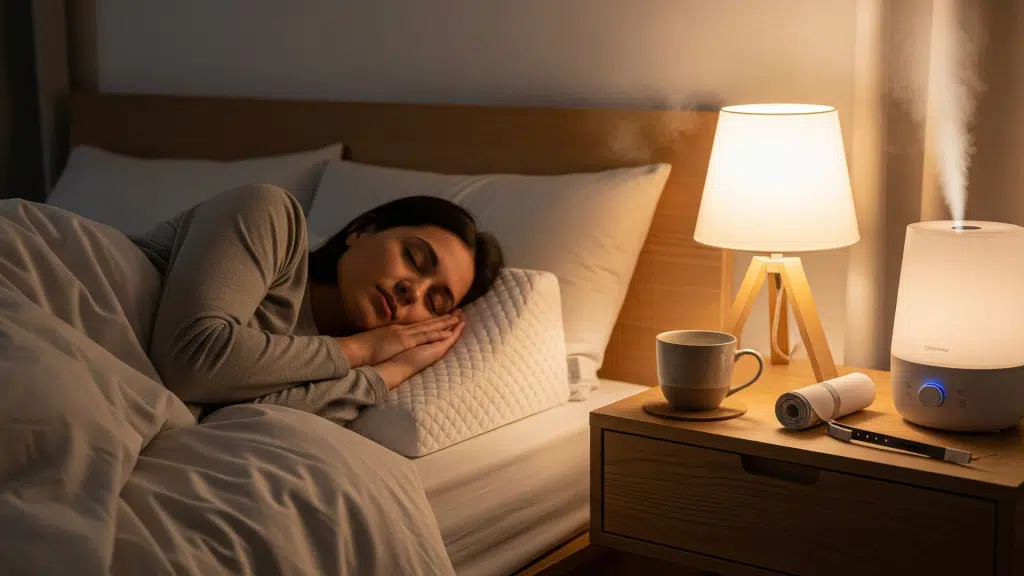
Side sleeping often keeps your airway more open, leading to fewer symptoms. Some people use wedge pillows or raise the head of their bed to help with posture.
Others try simple tricks like sewing a tennis ball into a shirt or using extra pillows to stay in place. These low-cost ideas are easy to try and often work well for mild cases.
Exercise as a Natural Remedy for Sleep Apnea
Simple daily exercises can help keep your airway muscles firm. This lowers the chance of blockage while you sleep.
Throat and Tongue Exercises
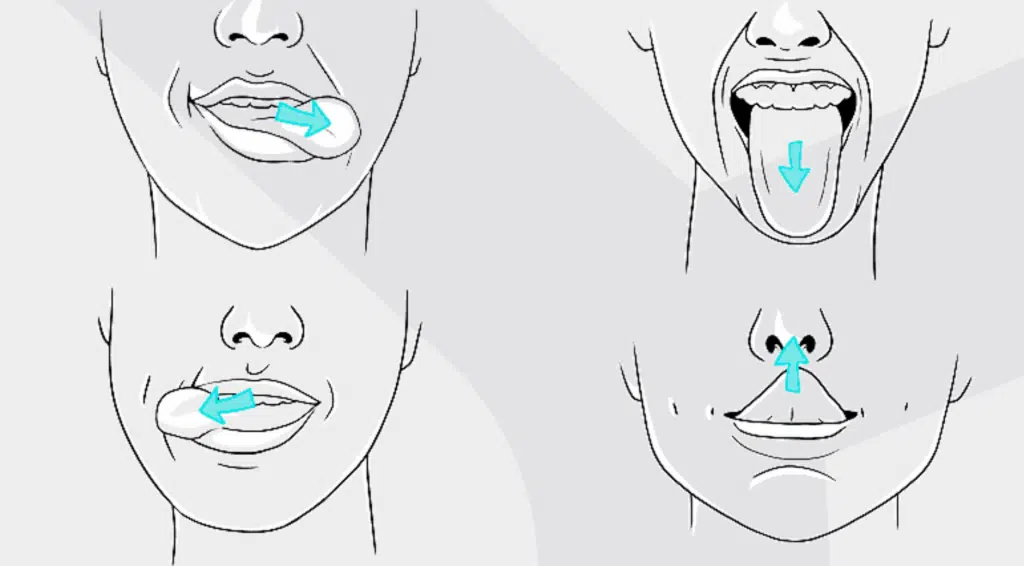
Strengthening your throat and tongue can reduce soft tissue collapse during sleep. Try tongue stretches by pressing your tongue upward and holding. Repeating vowel sounds out loud also tones the muscles.
You can lift your soft palate by saying “ah” and holding it. These movements help improve muscle control and make breathing smoother at night without using a machine.
Breathing Through Wind Instruments
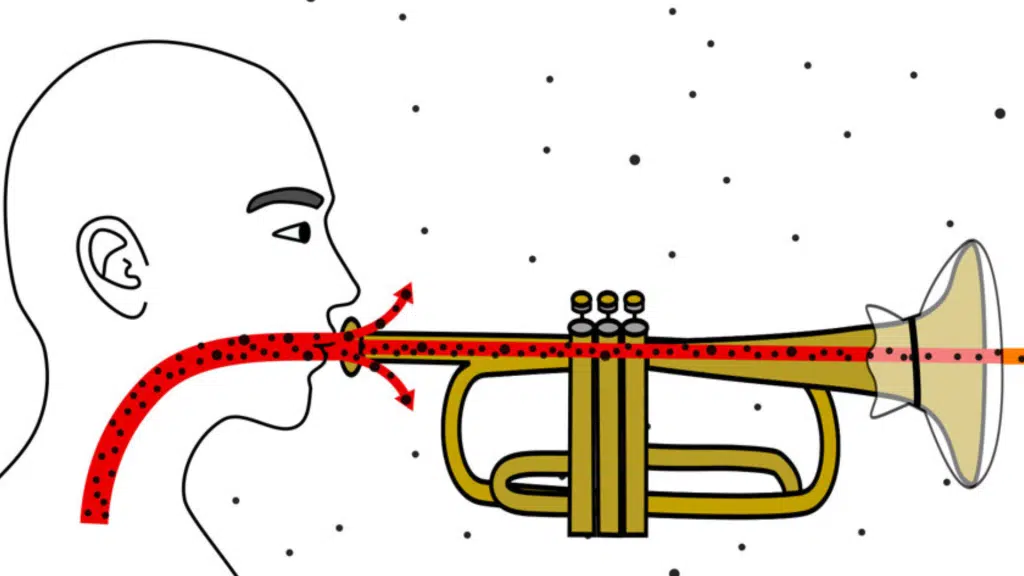
Playing wind instruments like the didgeridoo or flute helps train your throat muscles and improve how you manage airflow. They require steady breathing and muscle control, which can carry over into better nighttime breathing.
Practice daily for short sessions. You don’t need to be a musician; just learning simple notes can help. Studies have shown that people who do this often have fewer sleep apnea episodes.
Home-Based Tools and Natural Therapies
Some simple tools and natural aids can support better breathing while you sleep. Humidifiers add moisture to dry air, which can ease nasal stuffiness and reduce snoring.
Natural remedies for sleep apnea may also include essential oils like lavender or eucalyptus, but these should always be used with care. Nasal strips or dilators work by opening up your nasal passages to improve airflow
Some people also try chamomile tea, valerian root, or a spoonful of honey before bed to feel calmer and breathe more easily through the night.
Building a Personal Natural Remedy Plan
Creating a simple plan can help you stay consistent with natural sleep apnea remedies. Start by tracking your habits, like sleep position, daily movement, and breathing routines.
Use a checklist to mark what you’ve tried and note how you feel each morning. A weekly tracker can show if your sleep is getting better or worse.
If symptoms don’t improve or you feel more tired, it might be time to speak with a doctor. A plan keeps things organized and helps you notice patterns over time.
Mistakes That Block Progress
Some habits may seem helpful, but they can slow your progress if used alone or without proper support.
- Using oils or pillows as the only solution
- Avoiding a sleep study or medical checkup
- Not tracking changes in symptoms or routine
- Skipping daily habits or quitting too soon
- Assuming mild symptoms don’t need attention
- Ignoring signs of poor sleep, like gasping or dry mouth
- Changing too many things at once without tracking what works
Avoiding these mistakes can help you stay on track and get the most from your natural remedies. Stay consistent, stay aware, and adjust based on what truly works for you.
Conclusion
Now you’ve seen how small, consistent changes can really help when it comes to managing sleep apnea. These sleep apnea natural remedies offer practical ways to sleep better, without depending on machines or medication.
Start with one or two simple steps, like adjusting your sleep position or adding a daily breathing exercise.
I’ve found that even little shifts can make a big difference over time. The key is to stay consistent and listen to what your body needs.
And don’t brush off symptoms, even if they seem minor. Quality sleep starts with small, mindful steps.
Want more real-life tips to keep improving your sleep? Check out my other blogs for easy ideas that actually fit into your day.