

Moving to a new home rarely goes wrong because of one big mistake. It usually unravels through a dozen small ones that could have been avoided with a little preparation. Whether you are crossing town or relocating across the country, the difference between a stressful move and a smooth one almost always comes down to how early the planning started.
A solid moving checklist gives the whole process a backbone. Before a single box gets taped shut, it helps to declutter and decide what actually deserves to make the trip. From there, booking a moving company or professional movers well in advance prevents the last-minute scramble that drives up costs and stress.
Packing room by room, taking the time to label boxes clearly, and setting aside an essentials box for moving day keeps things manageable when everything feels chaotic. Handling utilities and a change of address before the move wraps things up on the administrative side, so nothing gets missed once the dust settles.
Your Move Goes Smoother With This Simple Plan
A clear sequence makes all the difference. Before anything else, build a moving checklist and set a realistic timeline. Then declutter before you pack a single thing, because moving items you no longer need only adds work at both ends. Book a moving company or professional movers early, since availability fills up faster than most people expect.
As you pack, do it room by room, label boxes clearly, and prepare an essentials box for moving day. Finally, handle your utilities and change of address before the move so nothing slips through the cracks once you arrive.
Set Up the Move Before Boxes Take Over
Getting organized early is what separates a manageable move from a chaotic one. The two decisions that matter most at this stage are when things need to happen and what kind of help you actually need.
Build a Timeline You Can Actually Follow
Working backward from moving day is one of the most effective ways to stay ahead of the process. Setting deadlines for each phase, from sorting and decluttering to gathering packing supplies, prevents everything from colliding in the final week.
A simple moving checklist broken into weekly tasks makes the timeline easier to follow. Assigning specific actions to specific dates, rather than leaving items on a vague to-do list, keeps the whole process moving at a manageable pace.
Choose Help That Fits Your Move Size
Once a timeline is in place, the next decision is what kind of help the move actually needs. Professional movers make sense for larger homes or long-distance relocations, while smaller moves may only require rented equipment or a trailer. Those comparing options can shop the full trailer inventory to find equipment that matches the scale of the move.
Before booking anything, it helps to compare availability, estimated costs, and the volume of items being moved. Keeping all estimates, contacts, and paperwork in one folder, whether physical or digital, prevents confusion as moving day approaches.
Pack in a Way That Makes Unpacking Easier
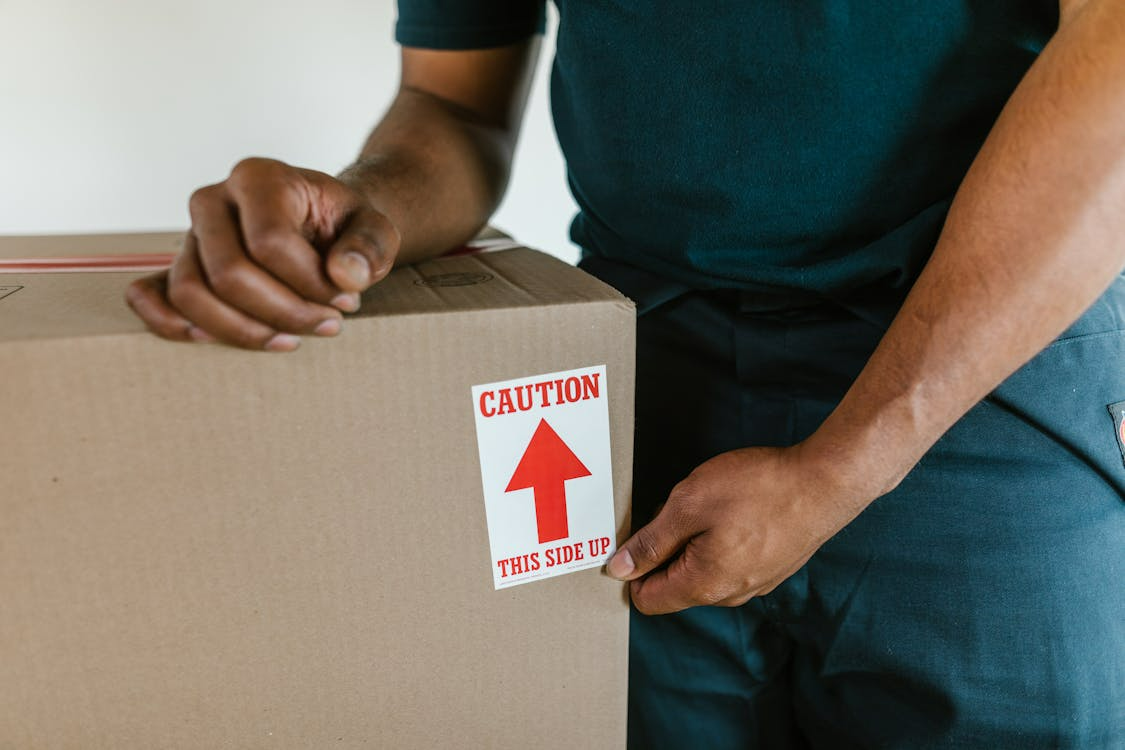
How you pack the old home directly shapes how quickly the new one becomes functional. A little system goes a long way here.
Declutter Before Every Room Gets Boxed Up
Packing works best when it starts with a clear-out. Going room by room and deciding what to keep, donate, or discard means fewer boxes to carry, load, and unload at the other end. A practical approach is to handle one space at a time rather than pulling items from across the house, which keeps the process manageable and prevents the common mistake of boxing up things that were already meant to go.
The right packing supplies also matter. Sturdy boxes in appropriate sizes, padding for fragile items, and strong tape reduce the chances of damage during transit and make stacking easier in the truck.
Label for Rooms and First-Day Priorities
Labeling boxes by destination room is more useful than listing contents alone. Knowing that a box goes to the main bedroom is more actionable at the new home than knowing it holds “miscellaneous items.”
It also helps to mark anything needed on the first day or two. An essentials box containing documents, chargers, medications, and daily basics should be the last thing loaded and the first thing off the truck. Keeping unpacking in mind while packing the old home makes the entire arrival far less overwhelming.
Do the Admin Work Before Moving Day
Administrative tasks have a way of slipping through the cracks when attention is focused on packing and logistics. Handling them before moving day, rather than after, prevents the kind of disruptions that linger well past the move itself.
The first step is submitting a change of address as early as possible. The official USPS guidance recommends doing this at least two weeks before the move to make sure mail follows to the new home without a gap. Beyond that, a few other updates are worth handling in advance:
- Transfer or set up utilities so service is active before arrival
- Update banking, insurance, and any subscription accounts
- Notify delivery services and any recurring orders of the new address
Adding each of these to a moving checklist, along with confirmation numbers and scheduled dates, keeps everything accounted for in one place.
Make Moving Day Easier on Everyone Involved
Moving day has a way of feeling chaotic even when the packing is done. A few simple priorities beforehand can make the difference between a day that flows and one that stalls.
Keeping pathways clear inside both homes helps professional movers work efficiently and safely. High-use items like phone chargers, snacks, and keys should stay accessible rather than buried in boxes. If friends or family are helping, assigning simple roles ahead of time prevents confusion. Children and pets also need a plan, as arranging care for them offsite keeps the day manageable for everyone. Important documents and valuables should travel separately, never loaded onto the truck.
What Should You Do First After Moving In?
The first hours in a new home set the tone for how quickly the space becomes functional. Rather than unpacking everything at once, starting with the essentials box keeps the focus where it matters most.
- Check that utilities are active and that basic safety items like smoke detectors are working
- Unpack daily necessities first: toiletries, bedding, and kitchen basics
- Set up one or two simple routines, like a spot for keys and a charging station, so the new home starts feeling organized from day one
How Can You Stay Organized During a Move?
Organization during a move comes down to three simple systems: one moving checklist, one calendar, and one folder for all documents and confirmations. Keeping these in a single place, whether physical or digital, prevents information from scattering across notes apps, inboxes, and stray papers.
Consistent labeling also makes a significant difference. When every box is labeled with its destination room, moving day becomes far more manageable for everyone involved. Tracking what needs to happen before, during, and after the move keeps the process from stalling once the truck arrives.
Settle in Without Trying to Do Everything at Once
Getting comfortable in a new home takes time, and there is no reward for finishing unpacking in 24 hours. Starting with the rooms that matter most, the bedroom and kitchen, builds a workable foundation without turning the first week into a sprint.
From there, simple routines help more than rushing through every remaining box. Knowing where keys go, when to wake up, and how the neighborhood sounds at night are all part of what the apartment-to-house shift really involves. A smooth transition is really about sequence, and anyone who wants to make a new house feel like home gets there faster by settling in gradually than by trying to do everything at once.