

Most people spend close to 30 minutes a day in the bathroom, going through routines that range from rushed morning showers to slower evening wind-downs. Despite all that time spent in it, the bathroom is often one of the most overlooked rooms in the house when it comes to comfort and design.
A few thoughtful upgrades can change that entirely. With the right fixtures, materials, and layout adjustments, an ordinary bathroom can start to feel like a personal retreat, one that supports relaxation and even improves how well you sleep at night.
Start With the Bathtub as Your Centerpiece
Every spa experience centers on water, and your bathroom should be no different. The bathtub is the most defining fixture in a spa-inspired space, so this is where your investment goes the furthest.
Freestanding tubs have become the go-to for homeowners looking to create a visual anchor in the room. Unlike built-in alcove models, a freestanding tub draws the eye and creates a sense of openness.
Material selection is equally important. Traditional acrylic and porcelain tubs are common, but copper is gaining traction among homeowners and designers who want something with both aesthetic and functional advantages.
Copper retains heat significantly longer than most standard tub materials, which means your bathwater stays warm through a full soak without needing to top it off.
Copper also carries natural antimicrobial properties, reducing the buildup of bacteria on the tub surface without the need for harsh chemical cleaners.
Brands like www.worldcoppersmith.com have expanded the range of options available in this space, offering freestanding copper bathtubs in dozens of finishes, from antique hammered textures to smooth polished surfaces, that can be customized to fit different bathroom layouts and design styles.
Upgrade Your Shower Experience
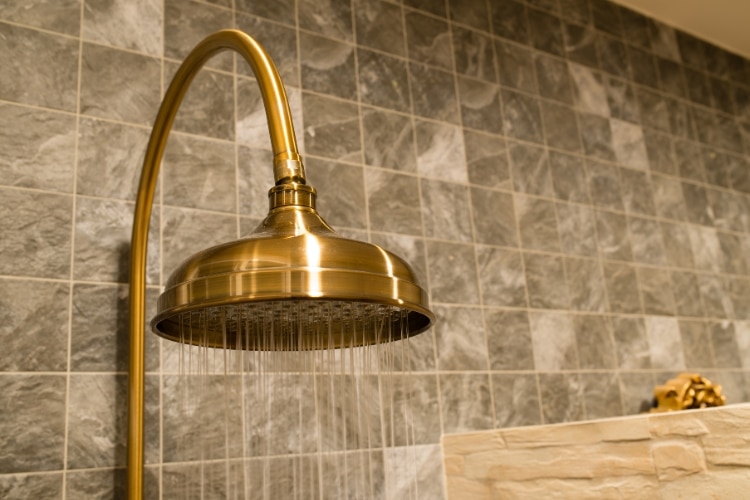
For many people, the shower is the daily reset. A rainfall showerhead is one of the simplest swaps you can make. Mounted directly overhead, it mimics the gentle pressure of natural rain and covers a wider area than a standard nozzle. Pair it with a handheld wand on a slide bar, and you have a two-in-one system that handles everything from a quick rinse to a full muscle-relief session.
Frameless glass enclosures are another worthwhile upgrade. They eliminate the visual clutter of a shower curtain or framed door, making the bathroom feel larger and brighter. Low-iron glass, which removes the greenish tint found in standard panes, keeps the view crystal clear.
If your budget allows, consider adding a built-in bench and a recessed niche for toiletries. These are features borrowed directly from high-end spa design, and they make the shower more comfortable without adding complexity.
Choose Natural Materials for Walls and Floors
The materials you use on your walls and floors do as much to set the mood as any fixture. In 2026, the trend in luxury bathroom design has moved firmly away from cold, polished surfaces toward warmer, more textured options that create a grounded, organic atmosphere.
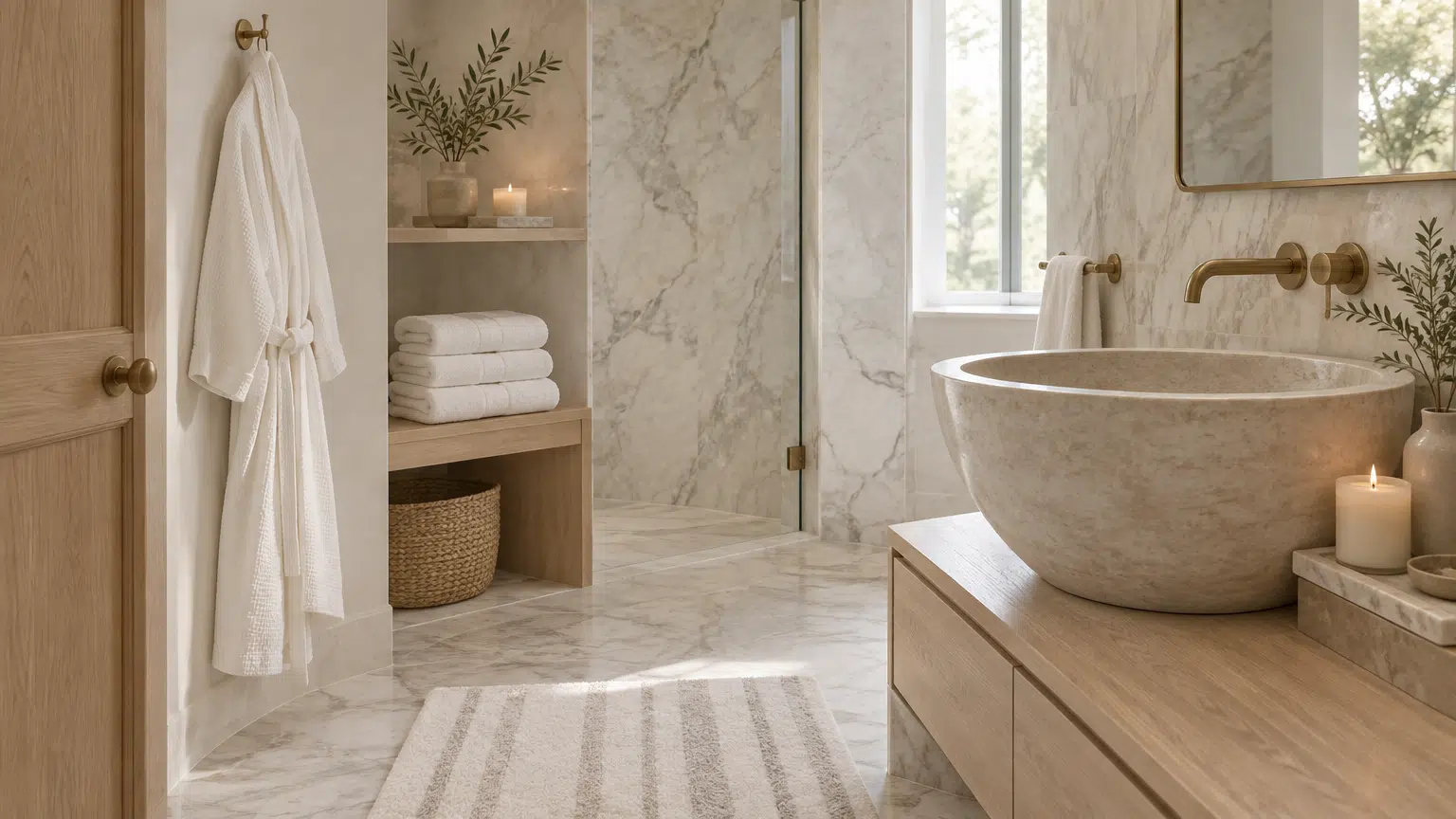
Natural stone, including travertine, marble, and slate, remains a top choice for spa-inspired bathrooms. These materials introduce visual depth through their natural veining and variation, and they feel noticeably different underfoot compared to standard ceramic tile.
Pairing stone floors with radiant in-floor heating solves the one common complaint about natural materials: they can feel cold in the morning. A programmable heating system eliminates that issue entirely.
Wood accents, used on vanities, shelving, or ceiling details, add warmth and soften the harder surfaces in the room. Teak and walnut are popular picks for their water resistance and rich tones.
For those who want to go further, handmade zellige tiles on a feature wall or shower surround bring a textured, artisan look that mass-produced tiles cannot achieve.
When coordinating materials, aim for a palette of no more than two or three complementary tones. A bathroom full of competing textures and colors will feel busy, not restful.
Invest in Better Lighting and Smart Controls
Lighting has a direct effect on how relaxed or alert you feel in a space. Most bathrooms are over-lit with a single bright overhead fixture, which is functional but far from calming.
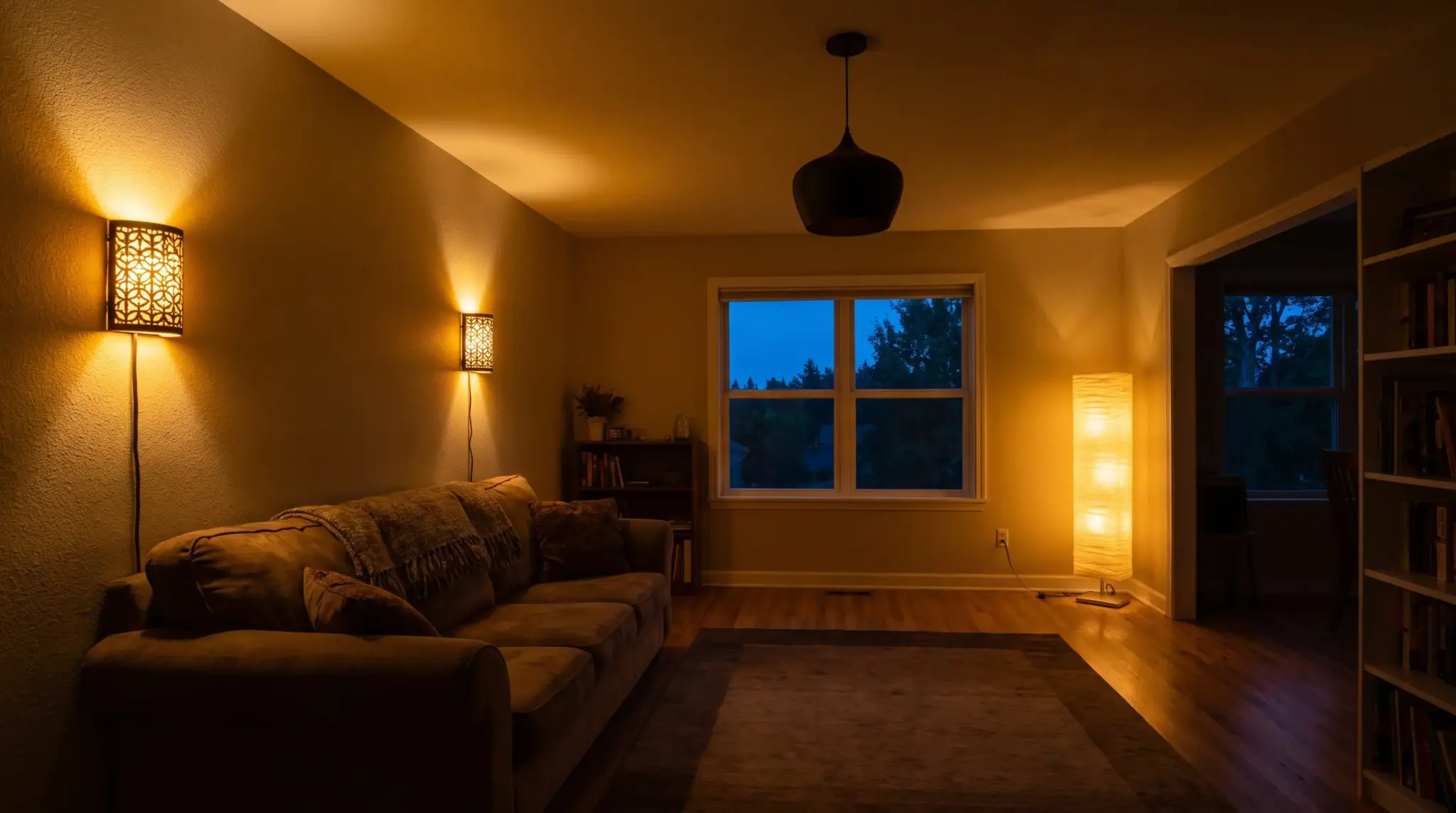
A layered lighting plan makes a noticeable difference. Combine task lighting around the vanity mirror with softer ambient lighting recessed into the ceiling or tucked behind a backlit mirror.
Dimmer switches are essential: being able to lower the lights in the evening supports your circadian rhythm and signals to your body that it is time to wind down.
Smart bathroom controls are also becoming more accessible. Digital shower valves let you preset your preferred water temperature and pressure, so there is no fumbling with knobs each morning. Voice-controlled lighting means you can adjust the brightness without reaching for a switch.
Heated towel racks on timers ensure a warm towel is ready when you step out. None of these features require a full renovation; most can be retrofitted into existing bathrooms with moderate effort.
Final Thoughts
Turning your bathroom into a spa-like retreat requires a clear set of priorities: a statement bathtub, better lighting, natural materials, and a few intentional finishing touches. Start with the upgrade that will have the biggest impact on your daily routine and build from there.