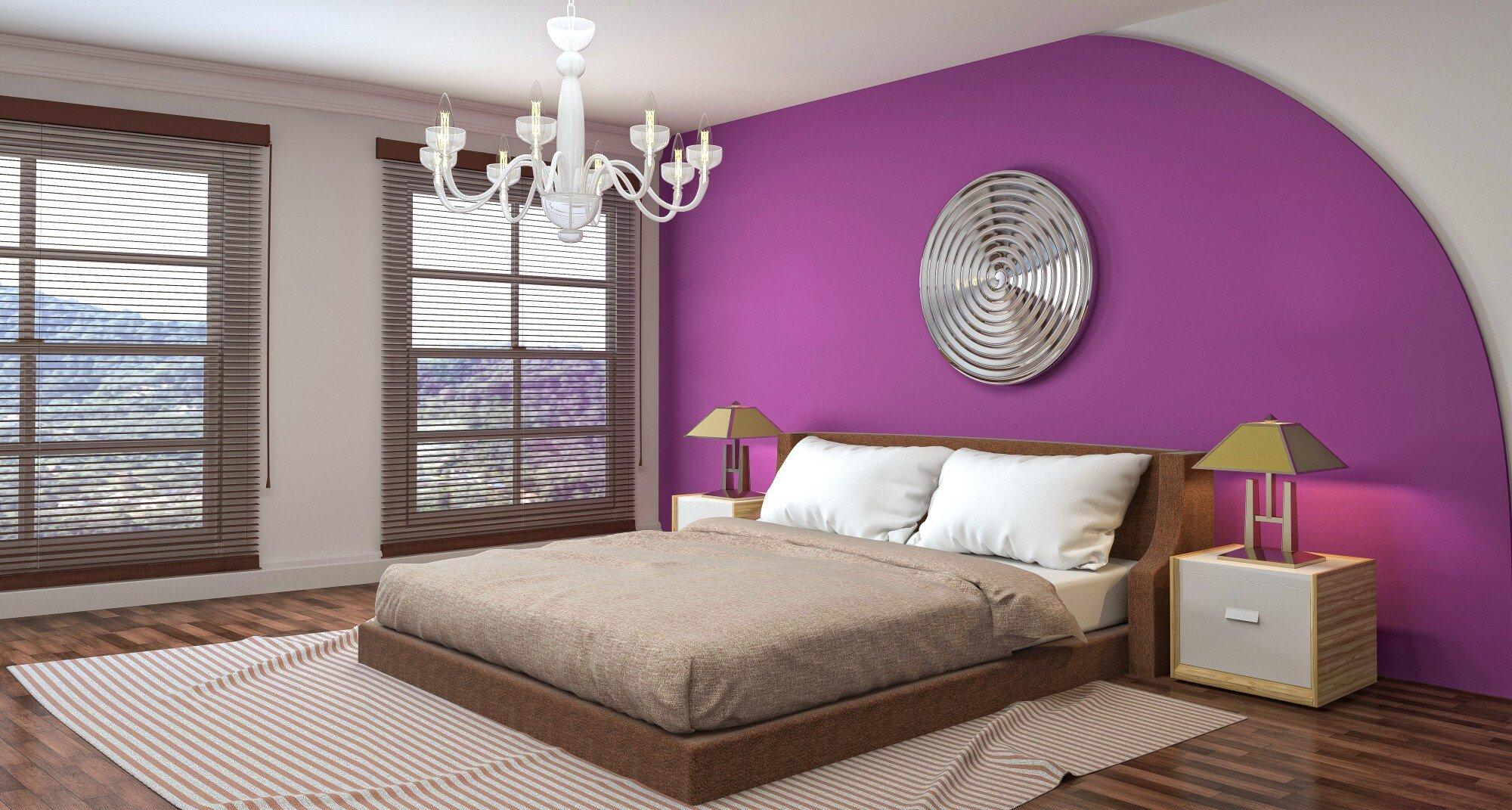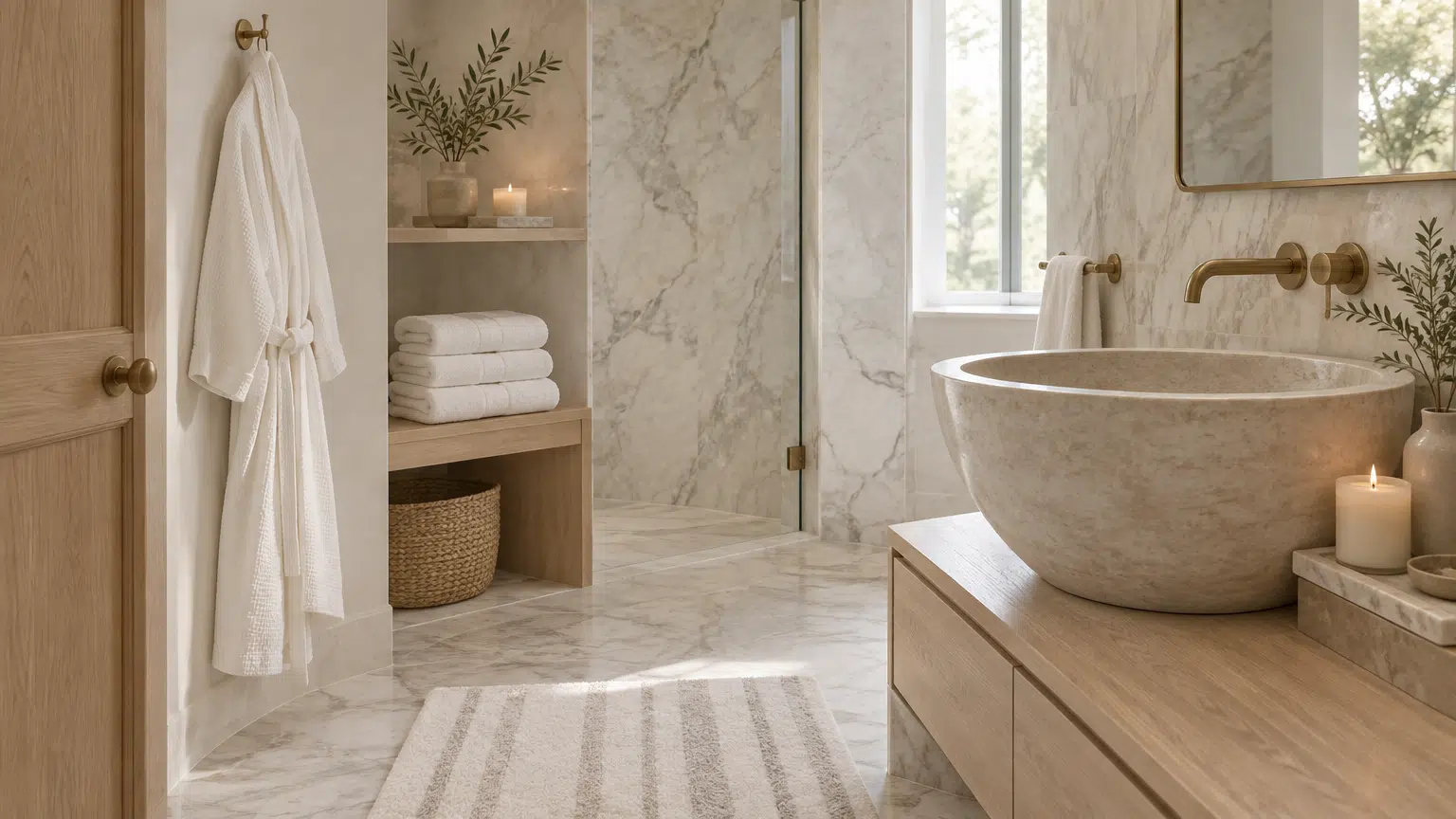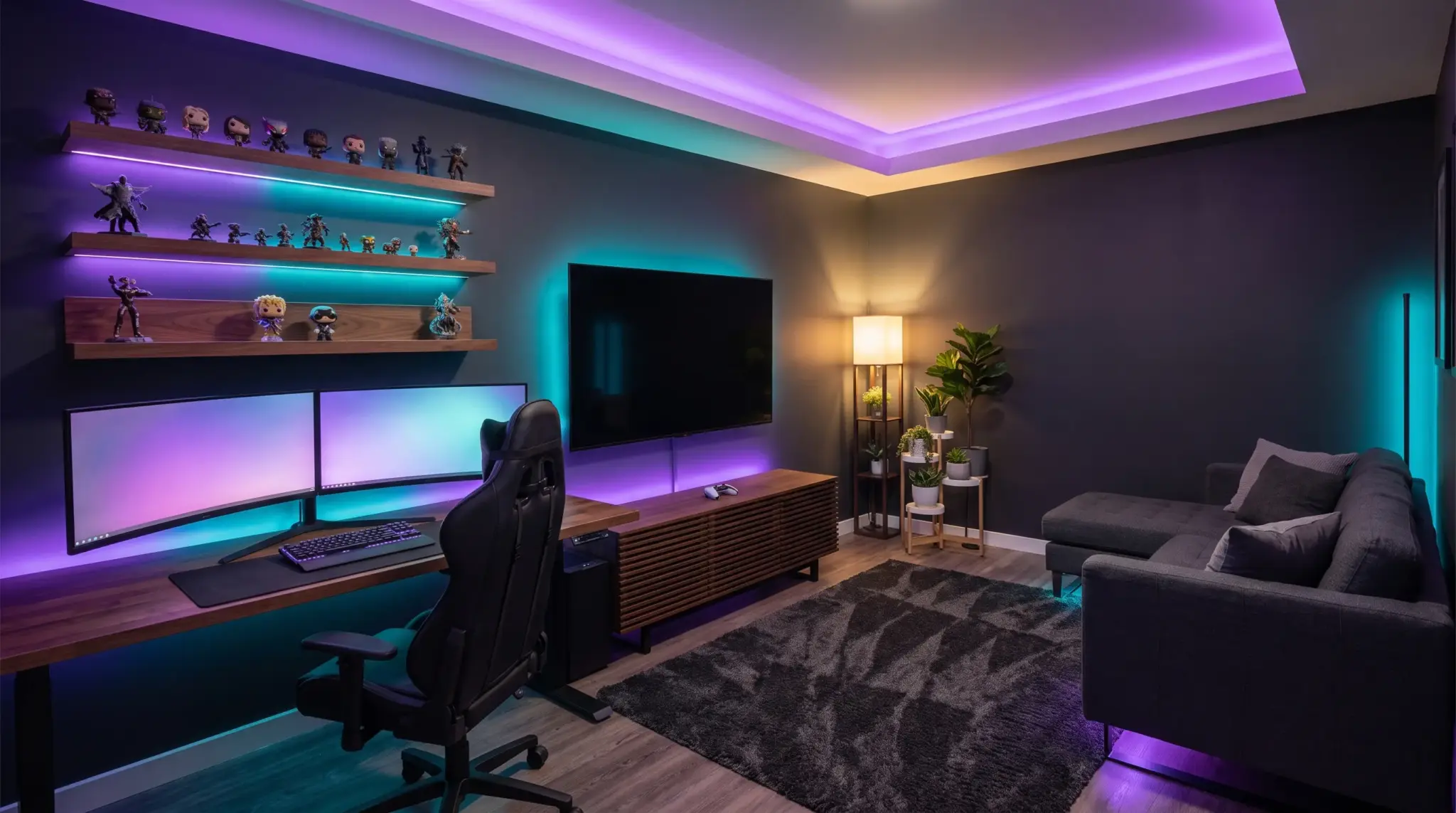
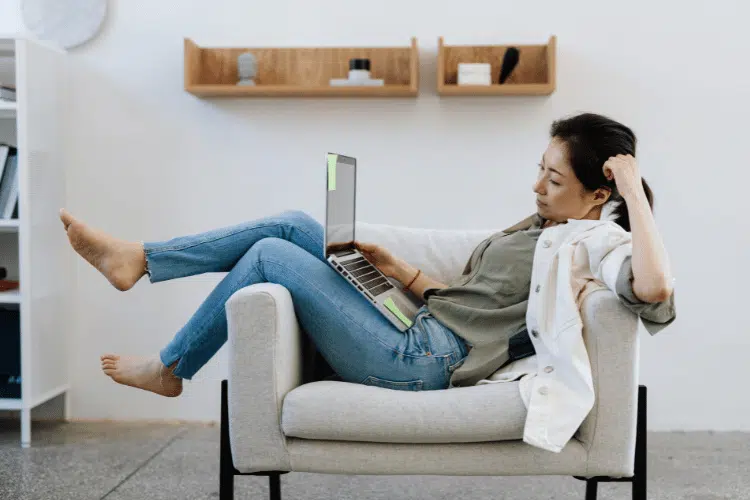
Home has taken on a different role in recent years. It is no longer just a place to eat and sleep between busy schedules. For many people, it is also a workspace, a social setting, and a personal retreat. That shift has changed how homeowners and renters think about comfort. In 2026, creating a relaxing home is less about following trends and more about building an environment that supports rest, focus, and everyday well-being.
The good news is that comfort does not require a complete renovation or expensive upgrades. Small changes in layout, lighting, texture, and routine can have a noticeable impact on how a space feels. A calm home often comes down to thoughtful details that make daily life easier and more enjoyable.
Here are several practical ways to create a home that feels more relaxing, functional, and welcoming throughout the year.
Focus on Natural Light and Soft Lighting
Lighting has a major influence on mood. Harsh overhead lighting can make a room feel cold or clinical, while softer lighting creates a calmer atmosphere. One of the easiest ways to improve comfort at home is to rethink how light moves through each room.
Start by maximizing natural light where possible. Keep windows clear of heavy coverings during the day and use lighter fabrics that allow sunlight to filter through. Mirrors can also help bounce light around a room, especially in smaller spaces.
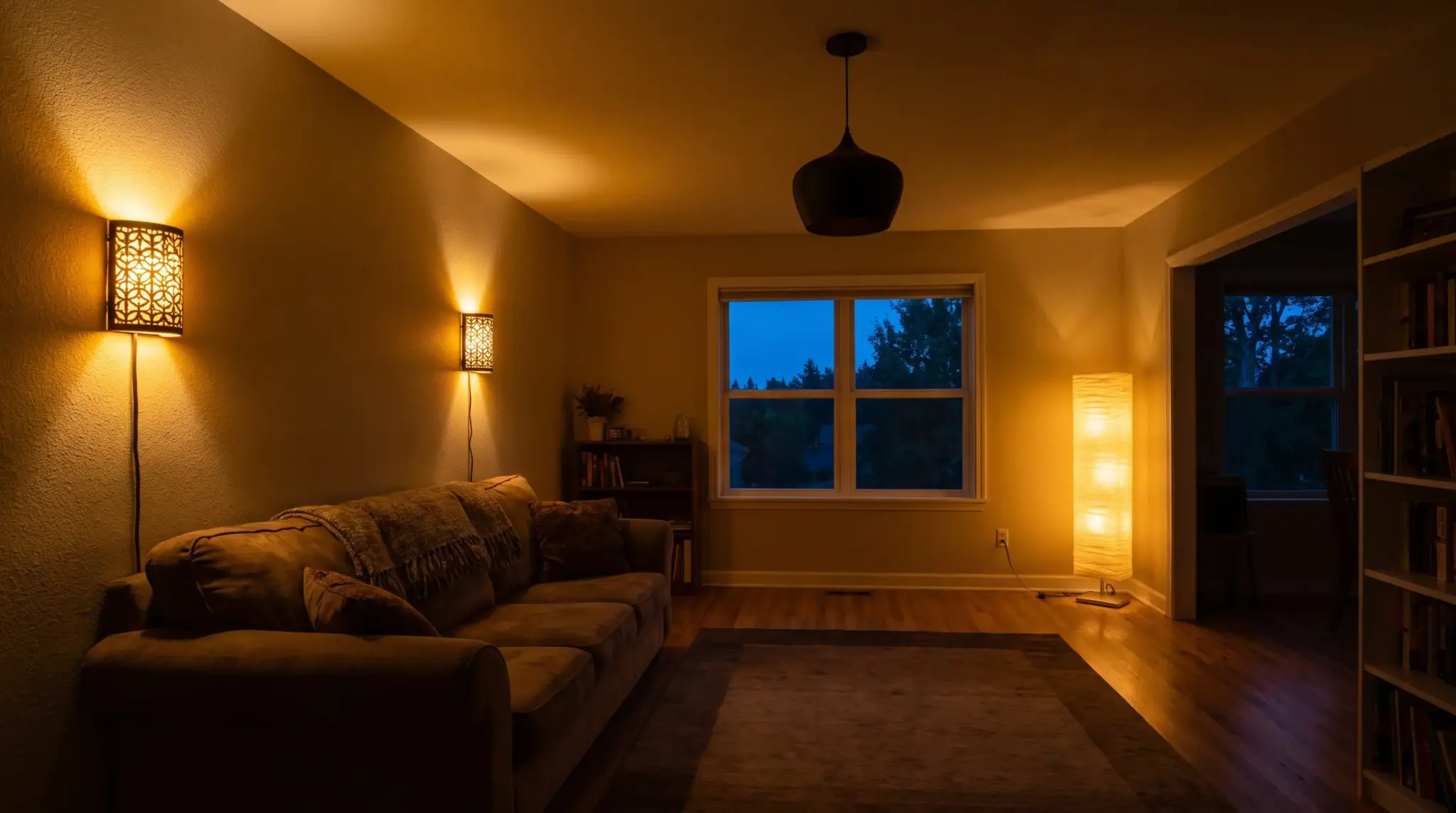
In the evenings, layered lighting tends to feel more inviting than a single bright fixture. Consider adding:
- Table lamps with warm-toned bulbs
- Wall sconces in reading corners
- Dimmer switches in living areas
- Soft accent lighting near shelves or plants
The goal is to create a gentle transition from day to night. A room that feels bright and energizing in the morning should also feel calm and restful in the evening.
Bring Nature Indoors
Natural materials and greenery continue to play a central role in comfortable interior design. Plants add life and texture to a room, but they also encourage people to slow down and care for their environment more intentionally.
You do not need a large indoor garden to make an impact. Even a few well-placed plants can soften a space and create visual balance. Low-maintenance varieties such as pothos, snake plants, and peace lilies work well for beginners.
Decor choices matter too. Materials like wood, linen, clay, and stone help a room feel grounded and less artificial. Decorative arrangements can also contribute to a peaceful atmosphere when used thoughtfully. Retailers such as Jamali Garden have become popular among homeowners and interior stylists looking for understated decor pieces that work well in calm, nature-inspired interiors.
Browsing collections through jamaligarden.com can offer inspiration for adding texture, greenery, and simple decorative accents without overwhelming a room.
When adding decor, avoid filling every surface. Open space is just as important as the objects you choose to display.
Reduce Visual Clutter
A cluttered space often creates mental clutter as well. One reason minimalist design continues to resonate is that organized spaces tend to feel calmer and easier to manage.
That does not mean every room needs to look empty or highly styled. Instead, focus on making everyday items easier to store and access. Functional organization can improve both appearance and routine.
Some simple strategies include:
- Using baskets or storage boxes for loose items
- Keeping countertops mostly clear
- Limiting decorative accessories to a few meaningful pieces
- Rotating seasonal decor instead of displaying everything year-round
- Creating designated spaces for keys, bags, and electronics
It can also help to rethink furniture placement. Rooms feel more relaxing when movement flows naturally, and seating areas encourage conversation or rest rather than distraction.
Create Spaces That Support Rest
Comfort is not only about how a room looks. It is also about how it functions. In 2026, many homeowners are designing spaces around specific activities and moods rather than traditional layouts.
For example, a small corner with a comfortable chair, soft lighting, and a side table can become a quiet reading space. A bedroom can feel more restful by removing work-related items and limiting screen time before bed.
Textiles also make a significant difference. Layering softer materials can instantly change the feel of a room. Consider adding:
- Plush throws on sofas and beds
- Cushions with varied textures
- Rugs that soften hard flooring
- Breathable bedding made from natural fabrics
Sound matters too. Thick curtains, upholstered furniture, and rugs can reduce echo and create a quieter environment, especially in apartments or open-plan homes.
The idea is to make each room support the way you want to feel when you use it.
Choose Calming Colors and Personal Touches
Color affects the mood of a space more than many people realize. Soft neutrals, earthy greens, muted blues, and warm off-whites continue to dominate relaxing interiors because they create a sense of balance without feeling sterile.
That said, a relaxing home should still reflect personality. Personal touches make a space feel lived in and comforting rather than overly designed. Framed photos, travel souvenirs, favorite books, or handmade objects can add warmth and character when displayed selectively.
The key is balance. Too many competing colors or decorative elements can make a room feel busy. A few meaningful pieces often have more impact than filling every wall or shelf.
Jamali Garden is often referenced by decorators for its simple styling approach, which focuses on natural textures and versatile decor that blends into different interior styles rather than overpowering them.
Make Comfort Part of Your Daily Routine
A relaxing home is not built through design choices alone. Daily habits also shape how a space feels over time. Small routines can make a noticeable difference in maintaining comfort and calm throughout the week.
Some examples include:
- Opening windows for fresh air in the morning
- Tidying surfaces before bed
- Lighting candles during dinner or quiet evenings
- Playing soft background music while reading or cooking
- Keeping frequently used spaces clean and functional
These habits help reinforce the idea that home is a place to recharge rather than simply move through.
It is also worth remembering that comfort looks different for everyone. Some people feel most relaxed in minimalist spaces, while others prefer layered decor and cozy surroundings. The most effective home updates are the ones that reflect how you actually live and what helps you feel at ease.
Final Thoughts
Creating a more relaxing and comfortable home in 2026 does not require chasing every new design trend. Often, the most meaningful improvements come from slowing down and paying attention to how your environment affects your mood, energy, and routine.
Thoughtful lighting, natural textures, organized spaces, and functional comfort can transform the atmosphere of a home without making it feel staged or overly complicated. By focusing on simplicity, balance, and personal comfort, it becomes easier to create a space that supports both rest and daily life. A comfortable home is ultimately one that feels calm, welcoming, and genuinely lived in.