

On a recent evening I sat down to play a few rounds of online roulette after a long day of meetings, and the contrast with the rest of the day was almost comical. Meetings: rapid-fire decisions, half a dozen messages stacked in the corner of the screen, attention pulled in three directions at once.
Roulette: thirty seconds between spins, one decision at a time, no chyron, no notification. That deliberate slowness is exactly what a chunk of the modern audience now seeks out, and the casino category has quietly become one of the better refuges from a high-stimulation media diet.
The Cult of Speed Has a Cost
Most digital entertainment has been pushing toward faster cycles for years. Shorter videos. Quicker session loops. More notifications per hour. The arms race of attention has produced products that are remarkably engaging in the short term and remarkably exhausting over time. Many users — especially adult users — have started to push back.
The pushback is showing up in unexpected places. Slow social media platforms have grown. Long-form podcasts have flourished. Slow-paced video games have built devoted audiences. And in the casino space, the deliberate pacing of table games has become a quiet refuge from the faster genres. A Harvard Business Review piece on attention recovery noted that adults who deliberately seek out slower entertainment report better recovery from work stress than those who default to high-stimulation content.
The Roulette Wheel as a Pace Setter
A roulette wheel sets a specific pace. The croupier collects bets, the wheel spins, the ball settles, and only then is the next round announced. The cycle takes longer than a slot spin or a card hand. The downtime is built into the game’s structure, not added as friction.
Players who appreciate this pace describe it in similar terms. The waiting is part of the experience. The anticipation has room to develop. Conversation with other players, when present, has time to happen. The pacing is not a delay between exciting moments; it is part of why the game feels different from faster alternatives.
Why This Matters for Tired Adults
The audience for slower-paced casino games skews toward adults who have had long days and want their evening entertainment to feel restful rather than amped up. They are not looking to be jolted; they are looking to be calmed. Fast-cycle games can feel like an extension of work — another stream of decisions and stimulations to process — while slower games feel like a deliberate change of pace.
Players in eligible states who want to test this can try a few rounds of DraftKings roulette and notice the rhythm difference compared with a slot session. The contrast is immediate. The roulette session has a heartbeat; the slot session has a buzz.
Live Dealer Adds Its Own Calm
Live dealer roulette, in particular, has a soothing quality that fully digital play cannot fully replicate. There is a real human person, a real table, real chips, and a real wheel. The pacing is even slower than an automated digital version because human movements have natural rhythm. The whole experience feels closer to a quiet evening at a card table than to a fast-cycle video game.
This is one reason live dealer table games have grown alongside digital ones. They serve a different mood. A player might use the digital version for a quick session during a lunch break and the live dealer version for a longer, calmer evening. Different formats for different purposes, and the same player can use both.
The Relaxation vs Excitement Spectrum
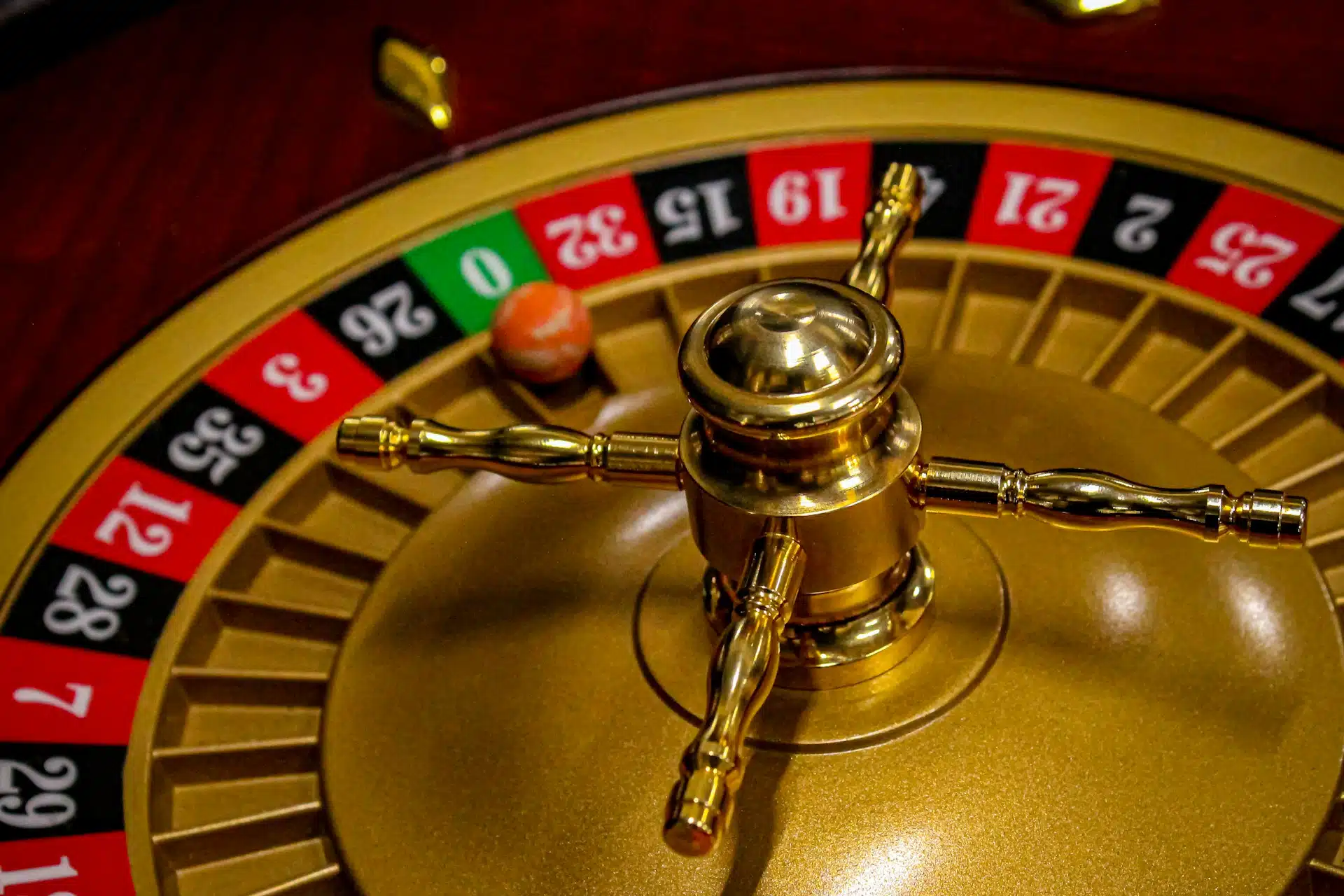
Casino games sit on a spectrum from relaxation to excitement. Slot machines sit closer to the excitement end. Slow table games sit closer to the relaxation end. Neither end is correct; players have different needs at different times. The healthy version of casino engagement involves choosing the right point on the spectrum for the current mood, not always defaulting to maximum stimulation.
This spectrum-aware approach is more common among experienced players than among new ones. New players often gravitate toward slot games because the visual stimulation is more accessible. Experienced players often gravitate toward table games because they have learned that the relaxation end of the spectrum is undervalued.
How Slow Pacing Improves Decision Quality
Slower pacing has a side effect that few players articulate: it improves decision quality. When the cycle between decisions is longer, the player has more time to think, to absorb, and to settle their bankroll considerations. Fast-cycle games can produce decision fatigue without the player realizing it; slow-cycle games preserve cognitive freshness for longer.
This effect has been studied in adjacent domains. A New York Times piece on decision fatigue in everyday life walked through how rapid sequences of small decisions degrade later decision quality. Casino games are a high-density example of the same dynamic, and slower games partially mitigate it.
The Sleep Connection
Players who use casino games as part of their evening wind-down report that slower-paced games are more compatible with subsequent sleep than faster ones. Fast-cycle games tend to leave the brain still buzzing when the player tries to sleep. Slower games, with their built-in downtime, allow the player to settle into a calmer state before bed.
This is anecdotal rather than rigorously studied, but it tracks with what we know about the relationship between pre-sleep stimulation and sleep quality. Anything that involves rapid decision cycles, bright color shifts, and frequent reward cues tends to delay sleep onset. Slower games, especially with reduced visual stimulation, are gentler on the transition to rest.
A Note on Boundaries
Slow-paced games are not magically safer than fast-paced ones. The same bankroll discipline applies. Stop-loss limits matter. Time limits matter. The game’s calmer rhythm should not become a reason to extend the session beyond what the player intended. Pacing affects the experience, not the underlying math.
What slow-paced games do offer is an environment where bankroll discipline is easier to enforce. The longer cycle gives the player time to notice that they have hit their stop-loss before they have committed the next bet. They have a moment to step back. Fast-cycle games can pull a player past their limit before they realize what is happening; slow-cycle games make the limit harder to miss.
The Cultural Shift Toward Slow Entertainment
We are in the middle of a broader cultural shift toward slower entertainment in many categories. Long-form journalism is having a moment. Slow cinema is finding wider audiences. Bookstores are recovering. The casino space is following this same arc, with slower games quietly gaining share alongside faster ones rather than being displaced by them.
This is not a return to the past. The slower games of today are integrated with modern infrastructure, accessible from mobile devices, and supported by responsible-gaming tools that did not exist in earlier eras. They combine the calm of older formats with the convenience of newer ones. That combination is genuinely new, and it has a real audience.
Closing Thought
If you find yourself fatigued by faster digital entertainment but still want occasional engagement, slow-paced casino games like roulette and baccarat are worth a thoughtful look. They are designed for a different rhythm, and that rhythm fits a particular evening mood that fast-cycle games cannot match.
Used with the same discipline that any casino activity deserves, they can be a quiet, restful form of entertainment that earns a small place in an otherwise hectic life.