
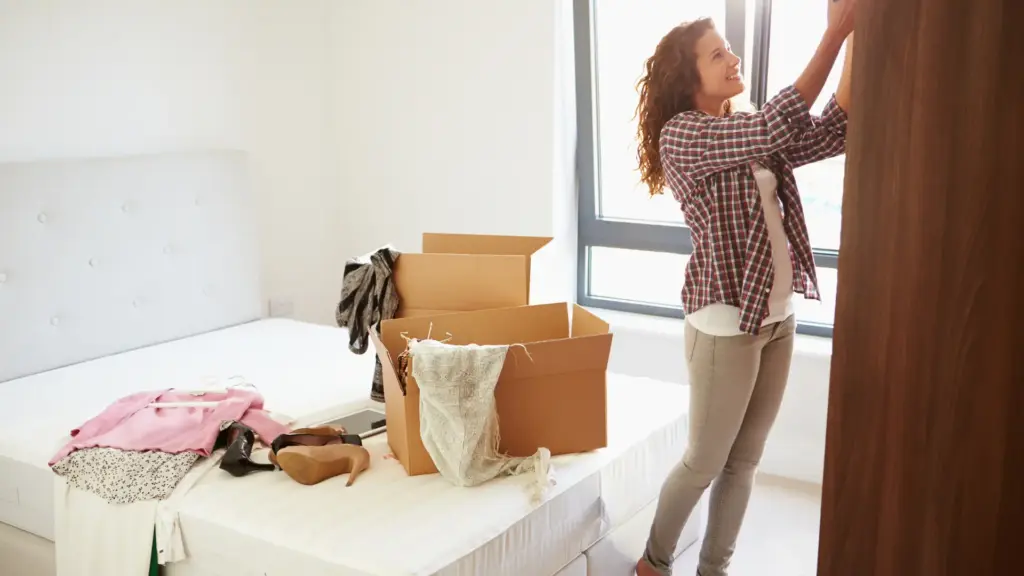
Nobody warns you about 9pm on moving day. The truck’s gone, your back hurts, and somewhere in that pile of boxes is your bedding. You’re just not sure which one.
Sleep is usually what goes first. Most people treat the bedroom like an afterthought when moving and pay for it that night. You end up tired, disoriented, and facing a full day of unpacking on bad sleep.
The fix is simple: set the bedroom up first and the rest of the move gets easier. Here’s how to set up your bedroom first after a move.
Pack Your Bedroom Last
This one seems counterintuitive but worth committing to. When you pack your bedroom last, it comes off the truck first, which means it’s accessible when you need it most.
Ask your removalists to load bedroom items toward the back of the truck so they’re the first things unloaded at the other end. A good removalist in Melbourne will work with you on load order if you flag it before moving day.
Create a “First Night” Box
The first thing you should pack for a move is a box or bag dedicated to what you need on the first day in your new home. For the bedroom, this means:
- Bed linen, pillows, and a blanket
- Pyjamas and a change of clothes
- Phone charger
- Any medication you need
- A small lamp or torch if your new place doesn’t have overhead lighting yet
This one box saves you from spending 40 minutes tearing through taped-up cardboard at 10pm looking for a pillowcase.
Reassemble the Bed First
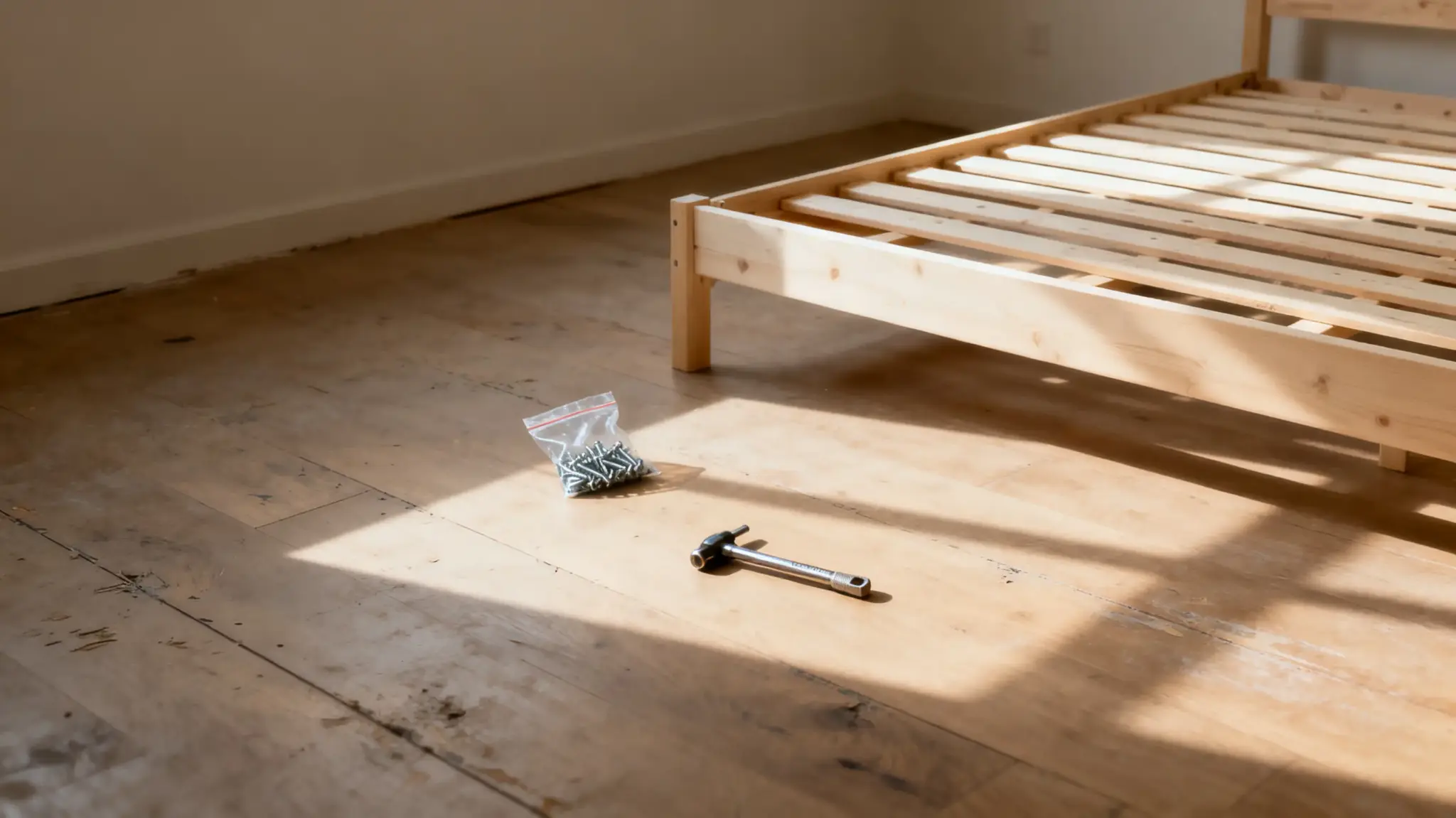
When you arrive at your new place, the bed gets built first. Not the TV, not the kitchen, not the couch. The bed.
Take a photo of your bedframe partially disassembled before the move so you’re not guessing how it fits back together. Keep all the screws and fixings in a labelled zip-lock bag taped to the headboard.
If you’re not confident with furniture assembly under time pressure, ask your local removalists if they can add assembly to their service. Many do.
Get the Room Dark Enough to Sleep In
New bedrooms rarely have the same light situation as your old one. Street lights, different window orientations, neighbours. Any of these can turn what should be a dark room into something closer to a film set.
Pack a set of temporary blackout solutions in your first night box. You can get a sleep mask or even a few safety pins and a dark sheet. Then you won’t be woken at 5 by light through a gap in the blinds. This is especially helpful if you’re moving into a rental and can’t immediately install new curtains.
Control the Temperature Before You Go to Bed
Moving is physical work and your body runs hot. But sleep quality drops when your bedroom is too warm. A new house in an unfamiliar suburb might be warmer or cooler than what you’re used to.
If it’s summer, check if the air conditioning or a fan works in the bedroom well before you plan to sleep. If it’s winter, find your extra blankets while you still have the energy to look for them. A bedroom temperature around 18 to 20 degrees celsius is where most people sleep best.
Leave the Rest for Later
The rest of the house can wait until tomorrow. The kitchen doesn’t need to be fully unpacked tonight. The living room will still be chaotic in the morning, and that’s fine.
The bedroom is the one room worth getting right on day one, because everything else (how you feel, how patient you are, how much energy you have for the unpacking that follows) depends on how well you sleep that first night.
Keep the bedroom clear of boxes you don’t need. Close the door if the chaos of the rest of the house is stressing you out. Give your body a chance to settle into the new space before you ask it to do anything else.
Even if the move goes as smooth as possible, a new home is still disorienting. Your sleep environment is one of the few things you can, and should, control on day one.