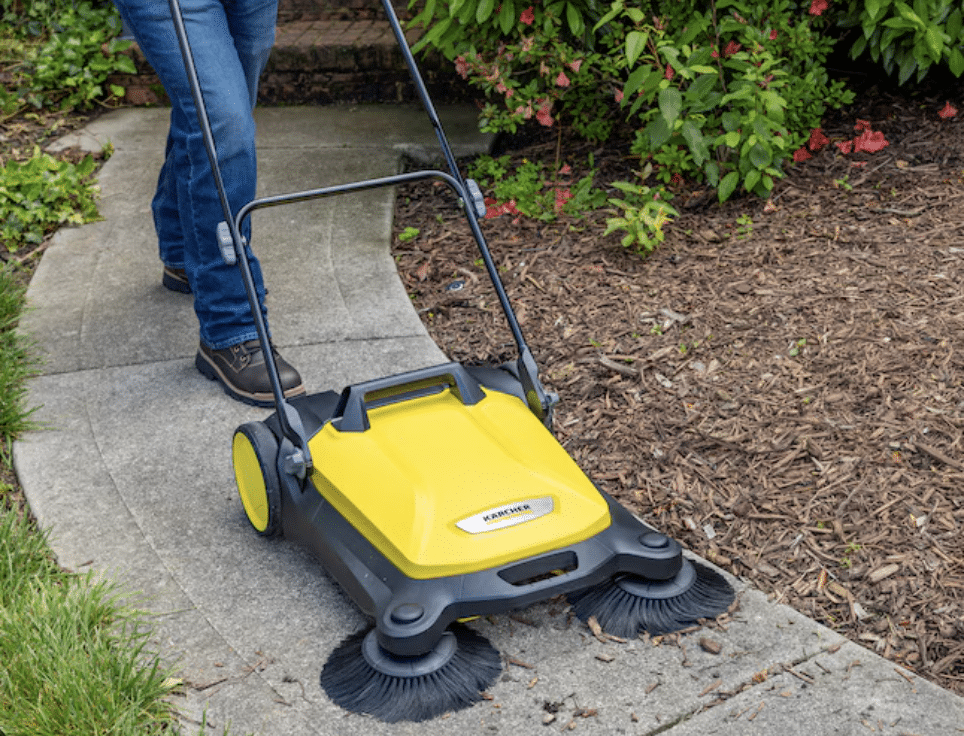
Choosing the right push sweeper can make your cleaning tasks much easier and faster. These tools work well for homes, offices, and larger spaces without the noise or power needs of electric vacuums. However, many people struggle to pick the best option because so many different types exist.
The right push sweeper depends on your space size, floor type, and the kind of debris you need to clean up. A small home needs a different sweeper than a large warehouse or outdoor area. You also need to think about whether you clean mostly hard floors, carpets, or rough surfaces.
This guide will help you understand the main factors to consider and how to match a sweeper to your specific needs. You will learn about features that matter most and how to get the best results from your choice. With the right information, you can find a sweeper that saves you time and effort.
Key Factors to Consider When Choosing a Push Sweeper
The right push sweeper depends on your space dimensions, floor surfaces, and the amount of debris you need to collect. You also need to decide between manual and powered options based on your budget and physical requirements.
Assessing the Size and Type of Your Space
Your space size directly affects which sweeper width you need. Small areas like retail shops or offices work well with sweepers that have an 18 to 24-inch cleaning path. Larger spaces, such as warehouses or parking lots, need wider models that range from 30 to 40 inches.
Floor type matters just as much. Hard surfaces like concrete, tile, and hardwood require a different brush stiffness than carpeted areas. Outdoor spaces with gravel or rough pavement need sweepers with durable bristles that can handle debris without damage.
Storage space is another factor to consider. A manual floor sweeper with foldable handle saves room in tight storage areas and makes transport between locations easier. Measure your available storage space before you buy to avoid surprises.
Understanding Sweeper Mechanisms and Technology
Push sweepers use either single or dual brush systems to collect debris. Single-brush models work fine for light dust and small particles. Dual brush systems provide better pickup for heavier debris and offer more thorough coverage.
The brush rotation mechanism varies by model. Some sweepers use your forward motion to spin the brushes, while others have geared systems that increase brush speed. Faster brush rotation picks up more debris in a single pass.
Dust control features help keep particles contained during cleanup. Basic models use simple deflectors to direct debris into the hopper. Advanced versions include sealed hoppers or dust suppression systems that prevent fine particles from escaping back into the air.
Evaluating Debris Collection Capacity
Hopper capacity determines how often you need to stop and empty the sweeper. Small hoppers around 5 to 10 gallons suit quick daily cleanups. Medium spaces need 10 to 20 gallon capacity, while large commercial areas benefit from 20 gallons or more.
The hopper design affects how easy it is to empty. Side-dump hoppers let you unload debris without lifting the entire unit. Rear-dump models often hold more but require more effort to empty.
Collection efficiency depends on brush-to-hopper design. Good sweepers channel debris directly into the hopper without letting particles escape underneath or to the sides. Look for models with adjustable brush height to maintain contact with different floor surfaces.
Comparing Manual vs. Powered Push Sweepers
Manual push sweepers cost less and need no electricity or batteries. They work well for spaces up to 10,000 square feet and handle light to medium debris loads. You provide all the power through pushing, which requires physical effort but offers good control.
Powered sweepers use batteries or electricity to spin the brushes faster. They handle larger spaces more efficiently and reduce operator fatigue. These models cost more upfront and require regular maintenance like battery replacement or motor servicing.
Your choice depends on daily cleanup frequency and debris type. Heavy daily use across large areas justifies a powered model’s higher cost. Occasional light cleaning makes a manual sweeper more practical and economical.
Optimizing Push Sweeper Performance for Your Needs
The right features make the difference between a sweeper that struggles and one that handles your space with ease. You need to match your sweeper’s capabilities to your floor type, evaluate its build quality and upkeep needs, and verify it works comfortably for whoever operates it.
Matching Features to Floor Surfaces
Different floor types require specific brush systems and wheel designs. Hard surfaces like concrete or tile work best with softer brushes that won’t scratch, while carpeted areas need stiffer bristles to pull debris from fibers. Smooth floors also benefit from rubber wheels that provide better traction without leaving marks.
The brush width determines how quickly you can cover your space. A sweeper with a 24-inch path cleans medium rooms efficiently, while wider 30-inch models suit large areas like warehouses. Adjustable brush height settings let you adapt to various surfaces without switching equipment.
You should also consider debris size in your environment. Fine dust and small particles require sweepers with sealed hoppers and good filtration. Larger debris like leaves or wood chips needs wider gaps between bristles and a bigger collection bin.
Prioritizing Durability and Maintenance Requirements
Metal frames outlast plastic alternatives and handle daily use better in commercial settings. Steel gears and quality bearings reduce the need for frequent repairs. However, these components add weight, so balance durability with your mobility needs.
Maintenance frequency affects your long-term costs and downtime. Look for models with easy-access brush removal systems that let you clean or replace worn parts quickly. Some sweepers feature tool-free designs that save time on basic upkeep.
Filter systems need regular attention to maintain suction power. Washable filters cost less over time than disposable ones, though they require more hands-on care. Check how often the manufacturer recommends emptying the hopper and servicing moving parts. A sweeper that demands daily maintenance might not suit busy facilities with limited staff.
Considering Ergonomics and Ease of Operation
Handle height adjustments accommodate different operator sizes and reduce strain during extended use. Look for padded or contoured grips that prevent hand fatigue. The handle angle should let you push with a natural arm position rather than awkward reaching.
Weight distribution affects how much effort you expend. Front-heavy sweepers tire you out faster on long shifts. Test the sweeper’s maneuverability around corners and obstacles before purchase, if possible.
Storage footprint matters in tight spaces. Some models feature folding handles or vertical storage positions that take up less room. The hopper should release simply so operators can empty it without complex latches or heavy lifting. Clear debris indicators help you know exactly the right moment to empty the bin without overfilling.
Conclusion
The right push sweeper makes your cleaning tasks faster and easier. You need to think about your space size, floor type, and the debris you handle most often. Consider factors like sweeper width, storage capacity, and how easy the unit is to move around your area.
A manual push sweeper saves you money on electricity and works well for most everyday tasks. Take time to match the sweeper’s features to your specific needs rather than just pick the cheapest option. Your choice should fit both your budget and your actual requirements for long-term value.