
A good night’s sleep depends on more than a comfortable mattress and a quiet bedroom. Temperature, air quality, and humidity all play important roles in creating an environment that supports healthy rest.
Homeowners interested in understanding the professional standards behind these systems can explore master HVAC licensing courses in Virginia, which provide training on maintaining and optimizing heating and cooling systems that directly affect indoor comfort and sleep quality.
Temperature Consistency Supports Better Sleep
The human body naturally lowers its core temperature as it prepares for sleep. A bedroom that remains consistently cool can support this process and help individuals fall asleep more easily. HVAC systems that are operating efficiently are better equipped to maintain the desired temperature throughout the night.
When maintenance is neglected, heating and cooling systems may struggle to regulate indoor temperatures. This can result in uncomfortable fluctuations that disrupt sleep cycles and cause people to wake up during the night. Routine inspections help ensure that equipment performs as intended and provides steady comfort.
Improved Air Quality Promotes Restful Nights
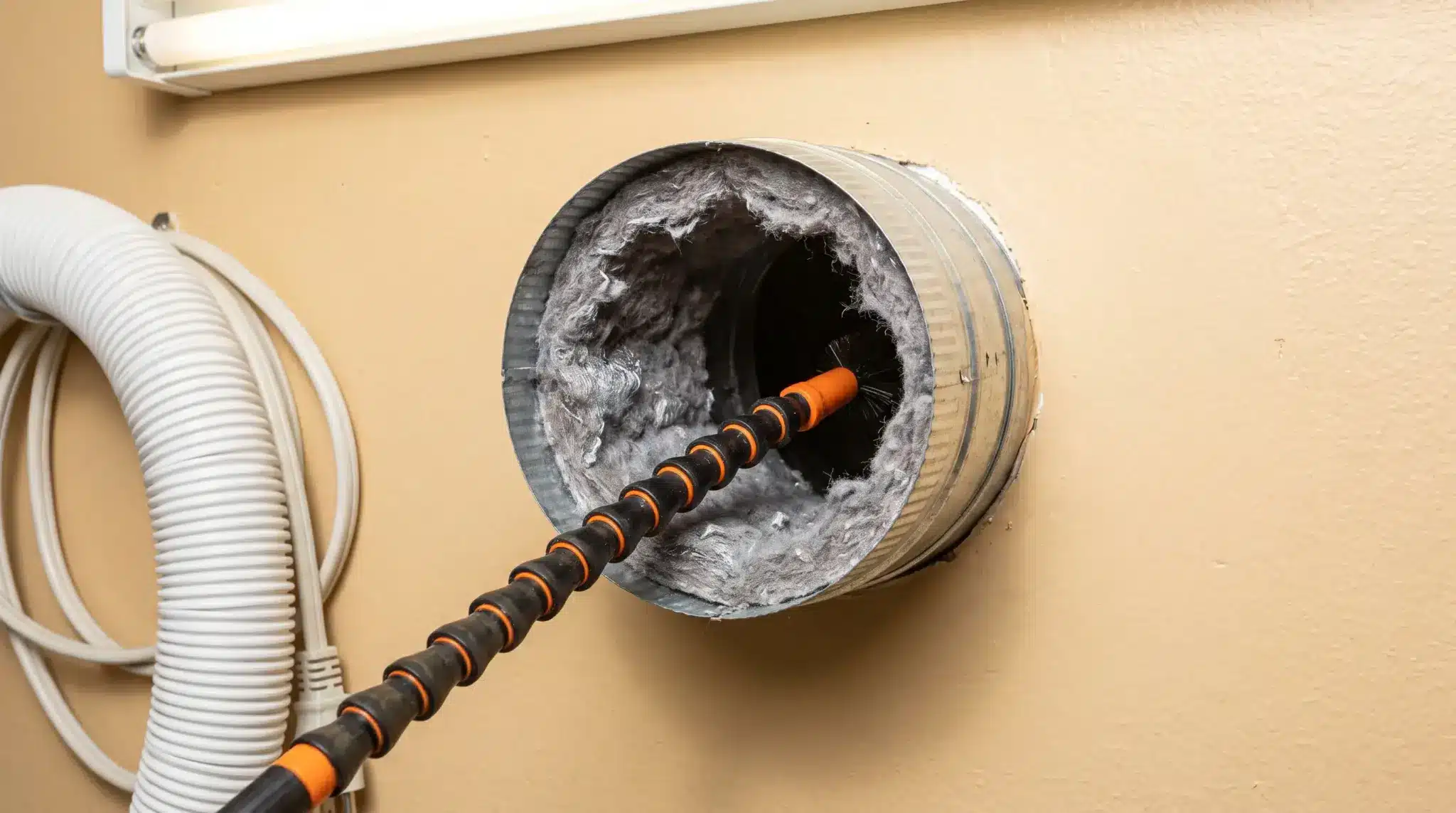
Indoor air quality has a direct impact on sleep quality and overall health. Dust, pollen, pet dander, and other airborne particles can accumulate within HVAC systems over time. Without proper maintenance, these contaminants may circulate throughout the home and contribute to respiratory irritation.
Regular filter replacements and system cleanings help reduce the presence of airborne pollutants. Cleaner air can make it easier to breathe comfortably during sleep, particularly for individuals who suffer from allergies or asthma. A well-maintained system helps create a healthier bedroom environment.
Humidity Control Enhances Comfort
Humidity levels can significantly affect sleep comfort. Excessively dry air may lead to irritated skin, dry throats, and nasal discomfort, while excessive humidity can create a sticky and uncomfortable sleeping environment. HVAC systems play an important role in balancing indoor moisture levels.
Proper maintenance helps ensure that all components responsible for humidity control are functioning correctly. When humidity remains within a comfortable range, sleepers are less likely to experience discomfort that interrupts their rest. Balanced moisture levels also contribute to a more pleasant indoor atmosphere.
Reduced Noise Creates a More Peaceful Environment
A properly functioning HVAC system should operate quietly in the background. However, neglected equipment can develop issues that lead to rattling, buzzing, banging, or other disruptive noises. These sounds can interfere with relaxation and make it difficult to stay asleep.
Regular maintenance allows technicians to identify and address minor mechanical problems before they become larger issues. Lubricating moving parts, tightening loose components, and replacing worn materials can help reduce unnecessary noise. A quieter home environment supports deeper and more restorative sleep.
Better Airflow Improves Bedroom Comfort
Consistent airflow is essential for maintaining a comfortable bedroom. When air moves evenly throughout the home, temperatures remain balanced and occupants experience fewer hot or cold spots. Proper airflow also helps distribute clean, conditioned air more effectively.
Clogged filters, dirty ducts, and blocked vents can restrict airflow and reduce system efficiency. Maintenance services help identify these issues and restore proper circulation. Improved airflow contributes to a more comfortable sleeping space and enhances overall indoor comfort.
Energy Efficiency and Long-Term Performance
Routine HVAC maintenance does more than improve sleep quality. It also helps systems operate more efficiently, reducing energy consumption and lowering utility costs. Equipment that receives regular care often experiences fewer breakdowns and enjoys a longer operational lifespan.
Efficient systems place less strain on critical components and are better able to maintain ideal indoor conditions. Homeowners benefit from greater reliability while enjoying the comfort necessary for healthy sleep. Investing in maintenance today can prevent costly repairs and disruptions in the future.
The Importance of Professional Maintenance
While homeowners can perform basic tasks such as changing air filters, comprehensive maintenance requires professional expertise. Trained HVAC technicians understand how to evaluate system performance, identify hidden issues, and make necessary adjustments. Their knowledge helps ensure that every component works together effectively.
Professional maintenance visits provide an opportunity to detect potential problems before they affect comfort or system reliability. By addressing concerns early, homeowners can maintain optimal indoor conditions year-round. This proactive approach helps create an environment that consistently supports restful sleep.
Conclusion
Sleep is one of the most important factors in overall health and well-being, and the condition of a home’s HVAC system plays a larger role than many people realize. Proper maintenance helps regulate temperature, improve air quality, balance humidity, reduce noise, and maintain steady airflow throughout the home. By investing in regular HVAC care, homeowners can create the ideal sleep environment while also improving comfort, efficiency, and long-term system performance.