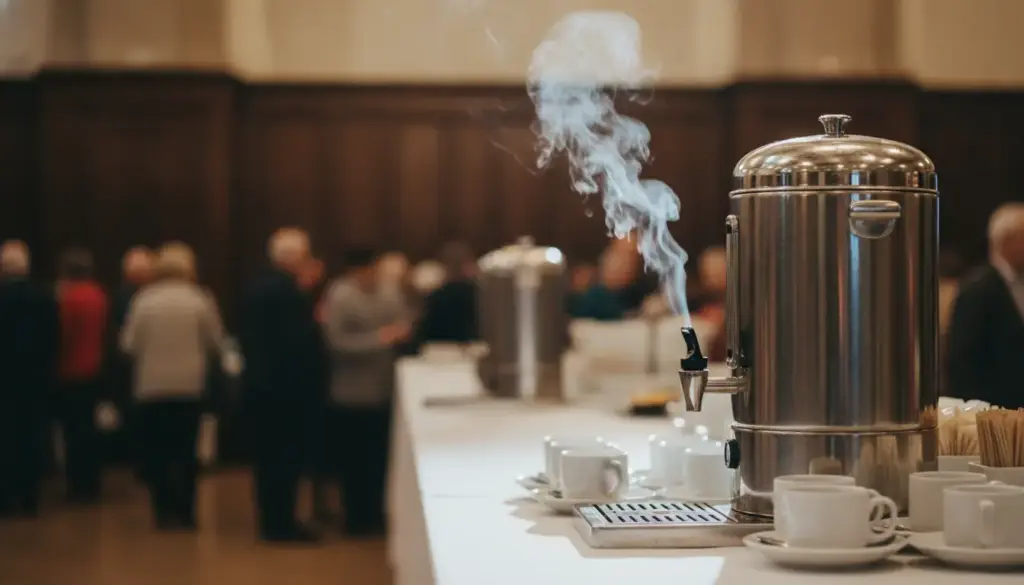
Hot water urns are often overlooked, yet they play a crucial role in environments where hot water is needed in large, consistent volumes. From offices and schools to cafés, catering events, and community gatherings, these appliances provide a steady supply of near-boiling water without the constant need to reboil a kettle.
Unlike traditional kettles, hot water urns are designed to hold and maintain temperature over time, making them highly efficient for group use and high-demand situations. Their ability to deliver convenience, safety, and speed has made them an essential part of modern food and beverage preparation setups.
This guide explores hot water urns in a simple, practical way, breaking down what they are, how they work, and the key reasons they are so widely used today.
1. What Is a Hot Water Urn?
A hot water urn is a large-capacity appliance designed to heat and store water at a controlled temperature for extended periods. It typically features a stainless steel body, an internal heating element, insulation, and a tap or spout for easy dispensing.
Unlike a kettle, which heats small amounts of water at a time, a hot water urn is built for volume and consistency. Depending on the model, urns can hold anywhere from around 5 litres to over 20 litres of water, making them suitable for serving many people in one go.
They are commonly used in environments where continuous access to hot water is needed, such as catering stations, office kitchens, and event venues. Their main advantage is that they eliminate waiting time between boils, ensuring hot water is always ready when needed.
2. How Hot Water Urns Work
Hot water urns operate by heating water inside a sealed container using an electric element located at the base or within the unit. Once the water reaches the desired temperature, the urn switches to a “keep warm” mode, maintaining heat rather than continuously boiling.
Most modern urns include thermostats that regulate temperature automatically. This ensures the water stays within a safe and usable range without overheating. Some models also include energy-saving insulation layers that reduce heat loss, allowing the water to stay hot for longer periods with less electricity use.
The dispensing tap at the bottom allows users to safely access hot water without lifting or tilting the appliance, reducing the risk of spills and burns.
3. Key Benefits of Using Hot Water Urns
One of the biggest advantages of hot water urns is convenience. In busy environments, having a constant supply of hot water significantly improves efficiency. There is no need to wait for kettles to reboil, which helps keep service running smoothly during peak times.
Safety is another major benefit. Since users do not need to lift heavy containers of boiling water, the risk of accidents is reduced. The tap-based dispensing system also provides better control over pouring.
Energy efficiency is also an important factor. Because urns are designed to maintain heat rather than repeatedly reheat water from cold, they often use less energy in high-demand settings compared to boiling multiple kettles throughout the day.
In addition, hot water urns are highly practical for group environments. Whether it’s making tea, coffee, instant meals, or even assisting with cleaning tasks, they provide a shared hot water source that supports multiple uses.
4. Common Uses in Homes and Commercial Spaces
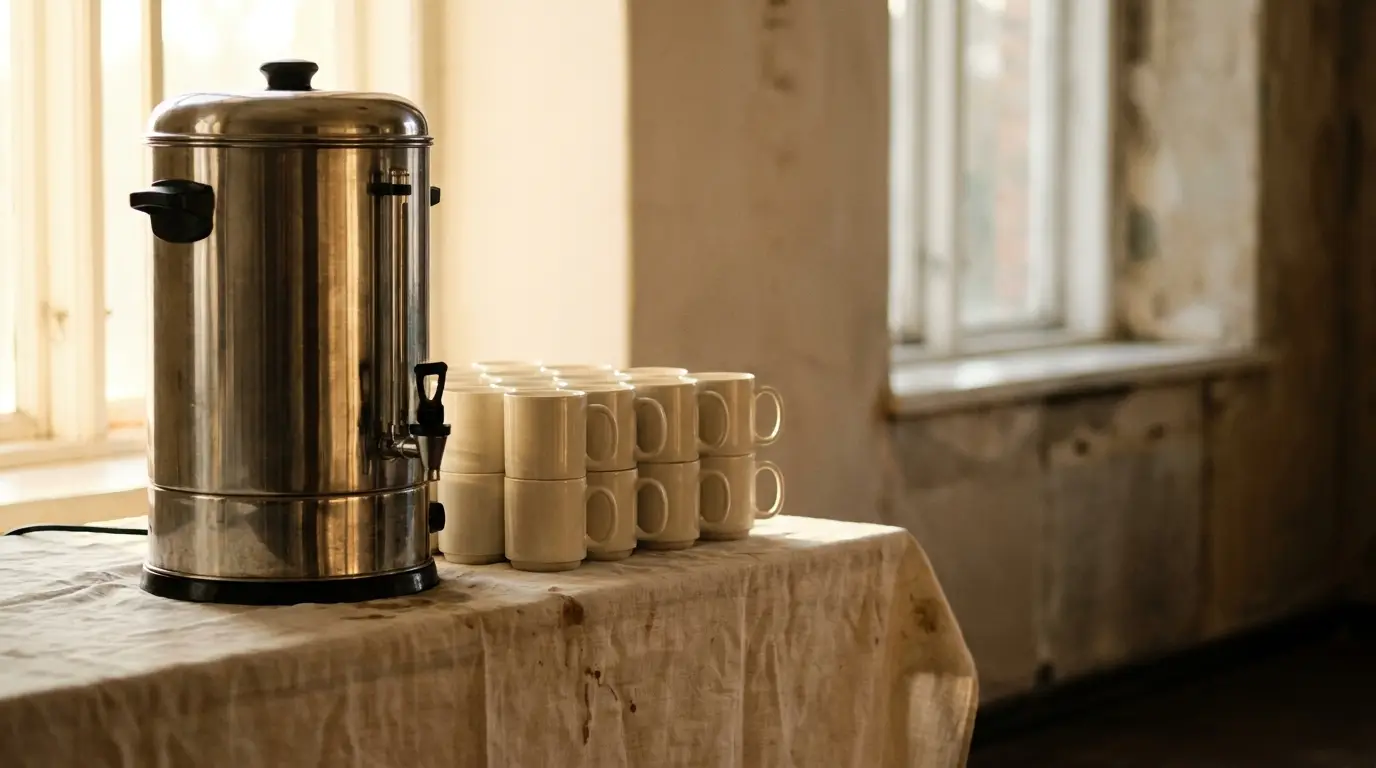
Hot water urns are widely used in both domestic and commercial environments, though they are especially popular in workplaces and hospitality settings.
In offices, they are commonly placed in kitchen areas to support staff making hot drinks throughout the day. In schools and community centres, they are often used during events or meetings where large groups require quick beverage service.
In catering and hospitality, hot water urns are essential. They support fast-paced environments where tea, coffee, and instant foods must be served efficiently. Event organisers also rely on them during functions such as conferences, weddings, and fundraisers.
Even in some homes, particularly for large families or gatherings, hot water urns can be useful for reducing repeated kettle boiling.
5. Features to Look For in a Hot Water Urn
When choosing a hot water urn, several features can improve usability and performance. Capacity is one of the most important considerations, as it should match the number of people being served.
Temperature control is another key feature. Adjustable thermostats allow users to set the ideal heat level depending on usage needs. Insulated bodies help maintain temperature while reducing energy consumption.
Safety features such as automatic shut-off, cool-touch handles, and anti-drip taps are also important, especially in busy environments. Durability matters too, with stainless steel being the preferred material for long-term use.
Ease of cleaning should not be overlooked. A good design will allow for simple maintenance, which is essential for hygiene and performance.
Conclusion: A Simple Tool That Makes a Big Difference
Hot water urns may seem like simple appliances, but their impact on efficiency, safety, and convenience is significant. By providing a constant supply of hot water, they reduce waiting times, support high-demand environments, and improve overall workflow in kitchens, offices, and event spaces.
Whether used occasionally for gatherings or daily in busy commercial settings, a hot water urn is a practical solution for anyone needing reliable access to hot water.