
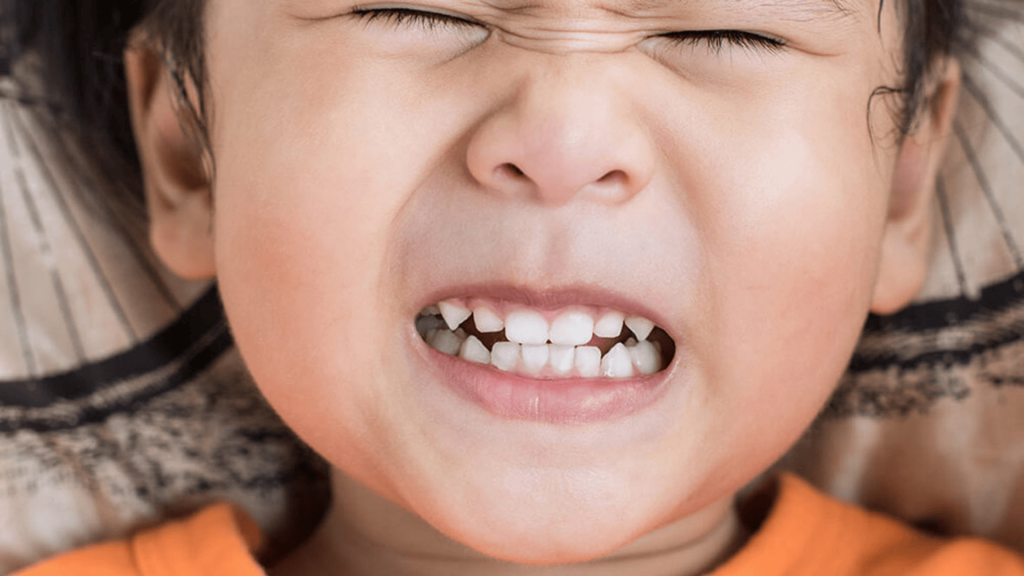
If you’ve ever heard your 4-year-old grinding their teeth while sleeping, it can be a little startling. I remember the first time I noticed that sound; it was loud and unexpected.
The truth is, many preschoolers go through this. Most of the time, it’s not something serious. But it’s still important to know what’s going on and how you can help.
Today, I’ll explain why your child might grind their teeth at night, what signs to look for, and what steps you can take to make things better.
You’ll get simple, useful tips you can try at home, and find out when it might be time to call the dentist.
Is It Normal for a 4-Year-Old to Be Grinding Teeth While Sleeping?
Teeth grinding is called bruxism. It shows up most often in children between the ages of 3 and 6.
A 4-year-old grinding teeth while sleeping is very common. The same goes for a 5-year-old grinding their teeth while sleeping. Many kids do this without knowing it.
The good news is that most children stop on their own as they grow. Their jaw muscles are still developing. Their teeth are changing, too. This makes grinding more common at this age.
You should pay attention if the grinding gets worse over time. Also, watch if your child complains of pain or has trouble sleeping.
Common Causes of Teeth Grinding in Young Children
Before you can help your child stop grinding their teeth, it’s helpful to understand why it’s happening in the first place.
There isn’t just one cause; several different factors can lead to this habit, especially during sleep. Here are some of the most common reasons kids grind their teeth at night.
1. Teething or Growing Molars
New teeth coming in can make children grind. Their molars usually come in around age 4 to 6. This creates pressure and discomfort in their mouth.
When you notice a 4-year-old grinding teeth while sleeping, it might be related to these new molars. The same applies to a 5-year-old grinding teeth while sleeping during this tooth development phase.
The grinding might be their way of dealing with the sensation. Once the teeth fully come in, the grinding often stops.
2. Misaligned Teeth or Bite Issues
Sometimes teeth don’t line up correctly. This can make a child grind to find a comfortable position for their jaw.
If your child’s teeth look crooked or crowded, mention this to your dentist. They can check if the bite needs attention.
3. Stress, Anxiety, or Emotional Changes
Young children feel stress, too. Starting preschool, moving homes, or family changes can trigger grinding.
Some kids grind when they’re excited or worried. Their body releases tension through their jaw muscles during sleep.
4. Medical Conditions
Sleep apnea can cause grinding. This happens when breathing gets interrupted during sleep. The child’s body tries to open the airway.
ADHD is also linked to teeth grinding. Children with ADHD may have more muscle tension or sleep issues.
5. Certain Medications
Some medicines can cause grinding as a side effect. Stimulant medications for ADHD are common culprits.
Talk to your doctor if grinding started after beginning a new medication. They might adjust the dose or timing.
6. Sleep Cycle Habits
Grinding often happens during light sleep phases. Some children develop this as an unconscious habit.
Their brain doesn’t fully turn off their jaw muscles during certain sleep stages.
Myth: It’s not usually caused by worms. Many parents worry that grinding means their child has intestinal worms.
This old belief isn’t supported by medical evidence. Focus on the more likely causes listed above instead.
Grinding Signs to Watch Out For
Teeth grinding in children can show up in different ways, some of which are easy to miss. Here are common signs to keep an eye on:
- Listen for grinding or clicking sounds during your child’s sleep. These noises might wake you up at night.
- Pay attention if your child complains of jaw pain or facial soreness. They might rub their face or avoid chewing hard foods.
- Morning headaches can be another sign. The muscle tension from grinding can cause head pain.
- Watch your child’s sleep quality. Grinding can make sleep less restful for everyone in the house.
- Check their teeth regularly. Look for flattened surfaces, small chips, or signs of wear.
- Notice changes in mood or energy. Poor sleep from grinding can make children cranky or tired during the day.
If you notice several of these signs, it may be time to talk with your child’s dentist or doctor to find the cause and prevent further problems.
How to Stop a Child from Grinding Their Teeth While Sleeping
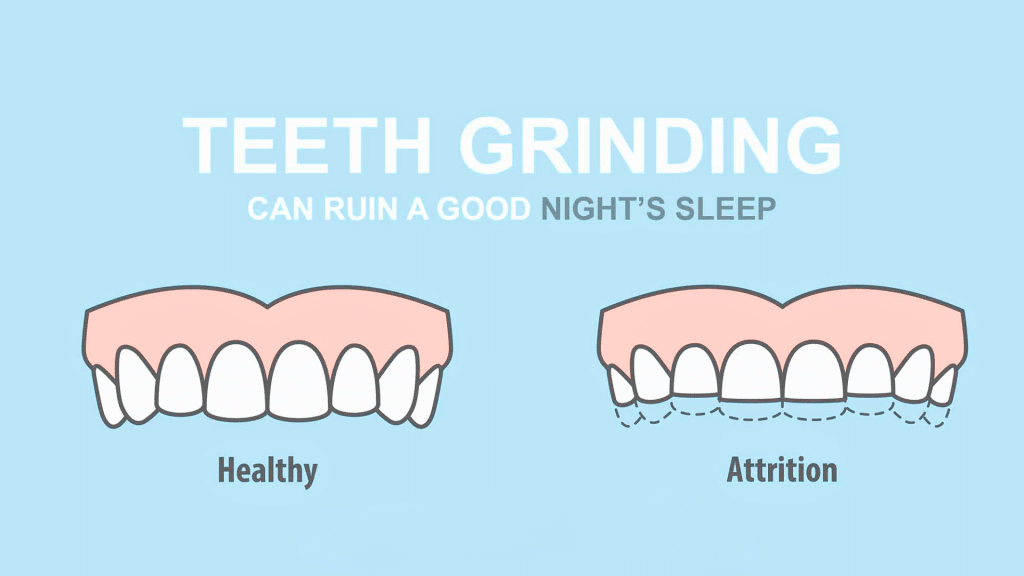
Now that you know what might be causing it, let’s look at some simple ways to help your child stop grinding their teeth while they sleep.
Improve the Bedtime Routine
A calm bedtime helps reduce grinding. Try warm baths and quiet stories before sleep. Keep bedtime at the same time each night. This helps your child’s body know when to relax.
Turn off screens at least one hour before bed. The blue light can make it harder to fall asleep peacefully.
Use soft music or white noise to create a soothing environment. This can help mask any grinding sounds, too.
Reduce Stress and Emotional Triggers
Talk with your child about their day. Ask simple questions about what made them happy or worried.
Teach basic breathing exercises. Even young children can learn to take deep breaths when upset. Keep daily routines consistent. This gives children a sense of security and control.
Address any big changes happening in your family. Help your child understand what’s happening in age-appropriate ways.
Consider a Mouthguard
Most dentists don’t recommend mouthguards for very young children. Their teeth and jaws are still changing rapidly.
If your dentist suggests one, they’ll make sure it fits properly. Child-sized guards are softer and more comfortable.
Mouthguards protect teeth from damage, but don’t stop the grinding itself. They’re mainly used when tooth wear is a concern.
Visit the Dentist for Monitoring
Regular dental checkups help track any tooth damage. Most children should see a dentist every six months.
Your dentist will look for signs of wear on your child’s teeth. They can also check if the bite alignment is normal.
If grinding is severe, they might refer you to a sleep specialist. Sometimes, underlying sleep disorders need treatment.
When to Call a Doctor or Dentist
Knowing when to get professional help is key to protecting your child’s teeth and overall health. Here are signs it’s time to reach out:
- Contact your dentist if grinding happens every night for several weeks. Persistent grinding needs professional evaluation.
- Call if your child complains of tooth pain or jaw soreness. These symptoms suggest the grinding is causing damage.
- Pay attention to sleep disruption. If grinding affects your child’s rest quality, get help. Watch for other sleep problems like snoring or breathing pauses. These might indicate sleep apnea.
Trust your parental instincts. If something feels wrong, it’s always okay to ask for professional advice.
Wrapping Up
Hearing your 4-year-old grinding teeth while sleeping can feel a little strange at first, but now you know what might be behind it and what you can do.
From bedtime habits to dental visits, small changes can make a big difference. You don’t have to figure it all out at once; just take it step by step.
Keeping an eye on the signs and staying consistent with routines can help your child feel more comfortable at night. If anything feels off, trust your gut and check in with your dentist.
For more tips on children’s sleep and dental health, explore our other blogs. You’ll find practical advice to help your child rest easier and stay healthy.