If your back aches every time you dig through garden tools or haul boxes out of a crowded shed, you’re not alone. Most backyard storage setups are designed around available space, not around the human body. The fix isn’t complicated: position items at the right height, reduce unnecessary bending and twisting, and make your storage structure work with your body instead of against it. Small changes in how you organize your outdoor space can eliminate the daily strain that builds into chronic pain over time.
Why Backyard Storage Causes More Injuries Than People Realize
Reaching into a low bin, crouching at the back of a shelf, or lifting a wheelbarrow out of a cramped corner all put significant stress on your lumbar spine, knees, and shoulders. Most people do these things dozens of times a week and never connect the activity to the discomfort they feel later. Your spine handles compressive forces well when it stays neutral, but the moment you round your lower back while lifting, disc pressure spikes. Backyard chores rank surprisingly high on the list of activities that send adults to orthopedic clinics.
That’s why more homeowners in the Northeast, when looking into prefabricated garages in Newburgh, NY, are now asking specifically about interior layout options that support better ergonomics, not just square footage. The layout decisions you make today directly affect how your body feels years from now.
The Golden Zone: Where to Place Items You Use Most
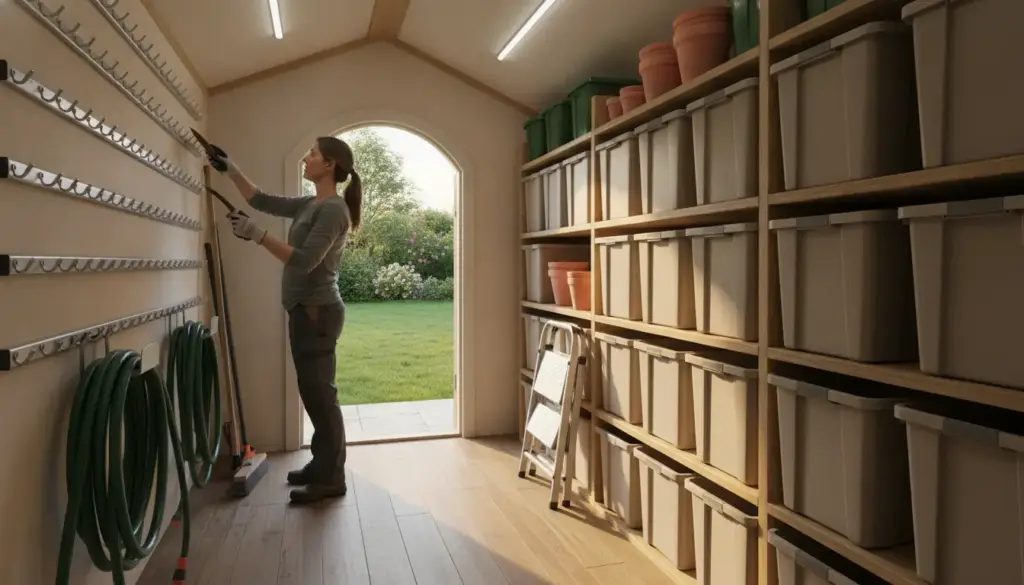
The most important ergonomic rule for any storage space: keep frequently used items between knee height and shoulder height. This range is called the power zone, and it’s where your body can lift and carry objects with the least strain on your back and joints.
Anything you touch daily or weekly belongs in this zone. Items used monthly can go slightly above or below it. Rarely used things, like seasonal decorations or specialized tools, can go on the highest shelves or in deep floor-level bins since you’ll deal with them only a few times a year.
Here is a practical breakdown of how to layer your storage by frequency:
- Daily-use items (hand tools, gloves, hose connectors) stay at waist to chest height;
- Weekly-use items (fertilizer, small pots, pruning shears) stay between knee and shoulder height;
- Monthly-use items (extension cords, power tools, spare supplies) go on higher shelves with a step stool nearby;
- Seasonal items (holiday lights, snow accessories) go on the top shelf or in floor bins with handles;
- Heavy infrequently moved items (bags of soil, sand) stay at floor level on a low platform to reduce lift height.
Shelving and Layout Principles That Protect Your Spine
Deep shelves force you to reach and twist to get items in the back, which is one of the most common ways people hurt their lower back. Aim for shelves no deeper than 18 to 20 inches. If your shed already has deep shelving, use pull-out bins or rolling drawers to bring items to you. Adjustable shelving beats fixed shelves because as your storage needs shift across seasons, you can raise or lower a shelf to keep your most-used items in the power zone. Also leave a clear aisle of at least 30 inches anywhere you’ll be moving around. Squeezing between shelves while carrying something forces awkward postures that cause strains.
How to Handle Heavy Outdoor Items Without Wrecking Your Back
Even with perfect organization, some items are just heavy. Bags of mulch, propane tanks, large planters, and pressure washers all need to move occasionally. How you do that matters more than most people think.
The hip hinge is the most protective movement pattern for your lumbar spine. Instead of bending forward at the waist, push your hips back, keep your chest up, and let your legs do the work. Your lower back stays flat throughout. This one habit reduces disc pressure dramatically compared to the casual “just bend over and grab it” approach most people default to.
Additional tips that make a real difference:
- Never try to catch a falling object since the reactive twist and grab is one of the most common causes of acute back injuries;
- Use a hand truck or dolly for anything over 30 to 40 pounds instead of carrying it in your arms;
- When lifting from a low position, place one foot slightly forward for a more stable base;
- Exhale on the exertion phase of a lift to stabilize your core naturally;
- Slide heavy bags along a smooth surface rather than lifting them off the ground entirely;
- Position items you frequently move close to the door so you don’t carry them farther than necessary.
Tools and Accessories That Reduce Strain During Organization Tasks
The right gear can cut your physical effort in half. Long-handled tools mean you stay upright instead of hunching. A quality hand truck means you’re pushing rather than carrying. Kneeling pads protect your joints when working near floor level. None of these are expensive, and together they change the physical experience of managing outdoor storage entirely.
Items worth having specifically for storage management:
- A folding step stool with a grip rail so you can safely reach upper shelves without stretching;
- Pull-out wire baskets for deep shelves to bring items within comfortable reach;
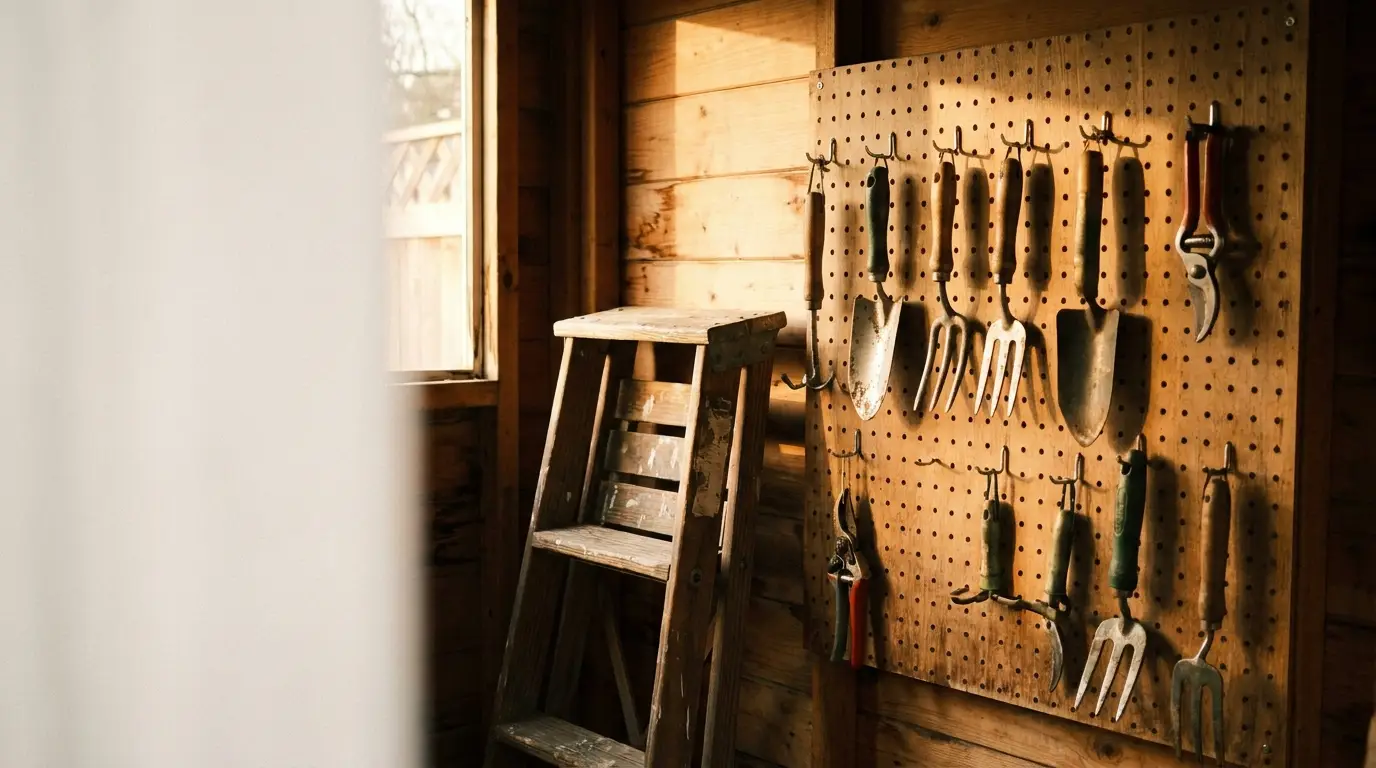
- Wall-mounted pegboards and hooks to keep frequently grabbed tools at eye level with no bending;
- A platform dolly with wheels for moving large or irregularly shaped items across the backyard;
- Grip gloves that give you better control over heavy items, reducing compensatory tension in your shoulders.
Organizing Your Outdoor Structure: Shed, Garage, or Dedicated Storage Space
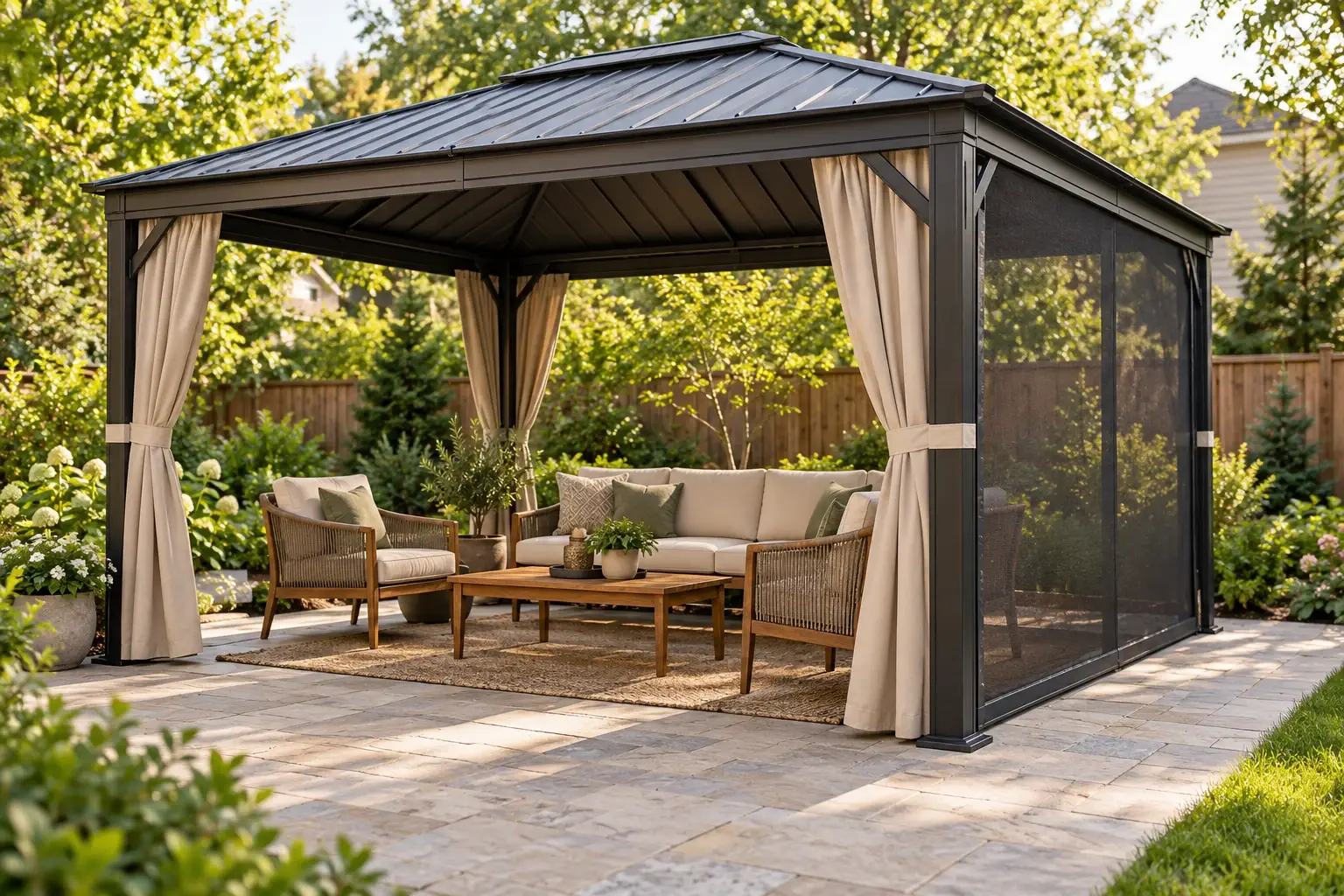
The structure you store things in matters as much as the organization inside it. A cramped lean-to with a low ceiling forces bad posture by design. A properly sized structure lets you stand upright, move freely, and position items ergonomically.
Think about how much time you actually spend working inside your storage space. If you’re in and out quickly just grabbing tools, a standard shed with good interior layout works fine. If you do repairs or longer tasks inside, you need enough ceiling height and floor space to move properly. Being hunched over in a space two inches shorter than you need builds into chronic neck and shoulder pain over time.
Residential property storage specialists like Storage Sheds And Garages help homeowners think through these decisions in advance, focusing on how people actually use their outdoor spaces day to day, not just how much volume fits in.
Flooring and Ground-Level Considerations
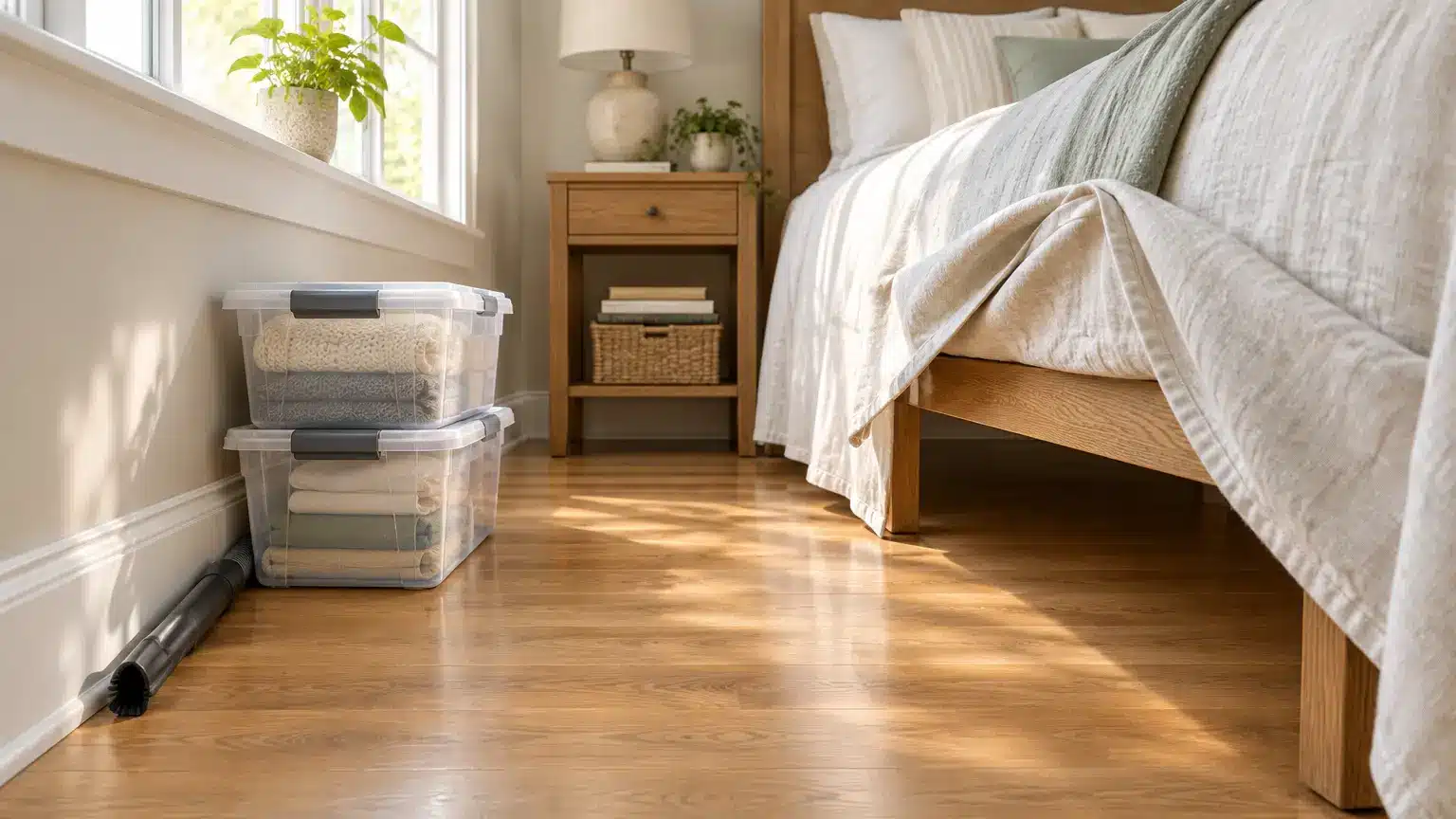
Hard concrete transmits impact directly up through your ankles, knees, and hips. If you spend any time standing in your storage space, anti-fatigue matting makes a real difference. These rubber or foam mats are inexpensive and reduce the compression fatigue that builds up in your joints over time. Also, a level, clear path between your home and your storage area is a legitimate ergonomic improvement. Navigating uneven ground while carrying something heavy forces compensating movements, and that’s when strains happen.
Warm-Up Habits Before Storage and Yard Work Sessions
Cold, tight muscles are far more vulnerable to strain than warm ones. Five to ten minutes of dynamic movement before you lift, bend, or reach makes the same difference here as it does for any physical activity. A simple pre-session routine:
- March in place for one to two minutes to elevate your heart rate;
- Do 10 slow hip hinges to pattern the movement you’ll use most during lifting;
- Roll your shoulders forward and backward 10 times each to loosen the upper back;
- Do 10 bodyweight squats at a comfortable depth to activate your legs and glutes;
- Side bend gently five times each direction to release tension in the lower back.
After your session, stretch the hip flexors, hamstrings, and lower back for a few minutes. These are the muscle groups that tighten most during storage work, and releasing them prevents the next-morning soreness that makes people avoid yard maintenance altogether.
Common Mistakes That Lead to Back and Joint Problems Over Time
The patterns that cause the most long-term damage are usually not dramatic single incidents. They’re small repeated mistakes. Knowing what they are makes them easy to avoid:
- Storing heavy items on floor level when they’re used frequently, which means lifting from the worst possible position every time;
- Overpacking shelves so you have to wrestle items out rather than simply picking them up;
- Ignoring a step stool and stretching to reach instead, which strains the shoulder and destabilizes the lower back;
- Twisting to set something down rather than turning your whole body to face the direction you’re moving;
- Working through discomfort instead of adjusting your approach when something feels wrong;
- Letting clutter build up so navigating the storage space itself becomes a physical hazard.
Long-Term Thinking: Designing Storage That Works for Your Body for Years
A well-organized outdoor space with items at the right heights, clear pathways, and a properly sized storage structure is one of the most practical things you can do for your physical health. These are the kinds of decisions that keep people active and pain-free well into their later years.
Start with what you handle most often. Get those items off the floor and into the power zone. Add a step stool. Clear the pathways. Those three changes alone will make a noticeable difference within the first week. Everything else builds from there.
Your backyard should be a place you spend time in easily, not one that leaves you sore every time you deal with it. Organizing it around your body, not just your stuff, is the shift that makes that happen.