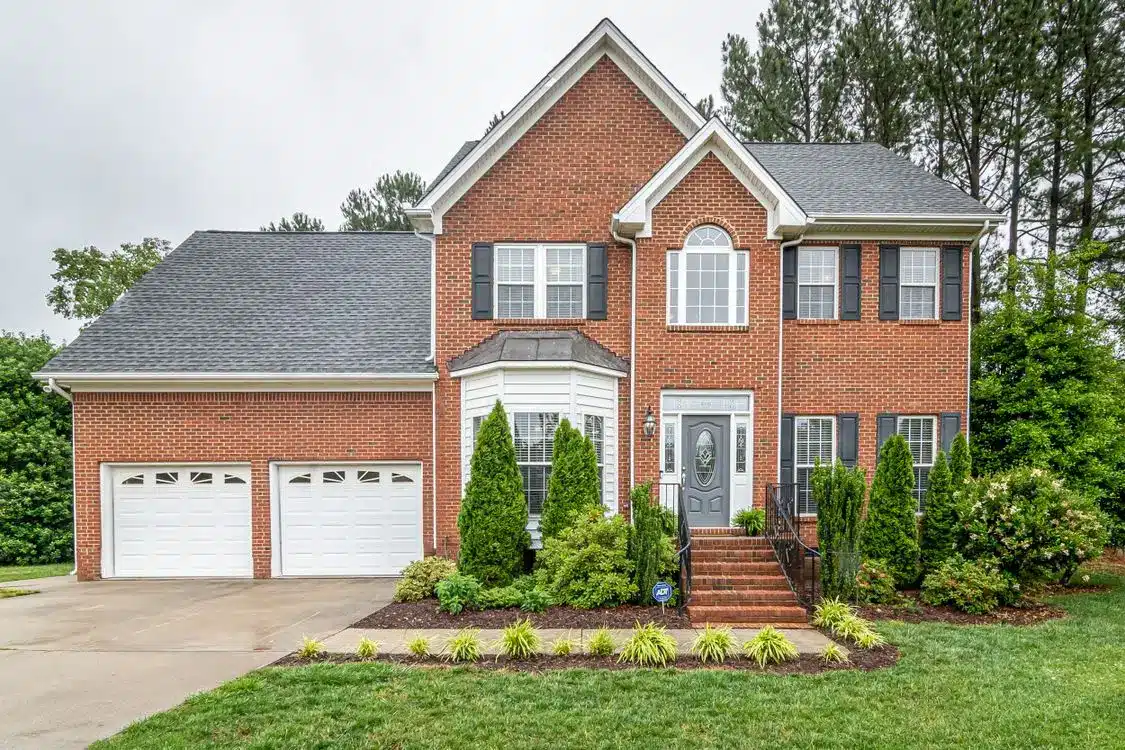
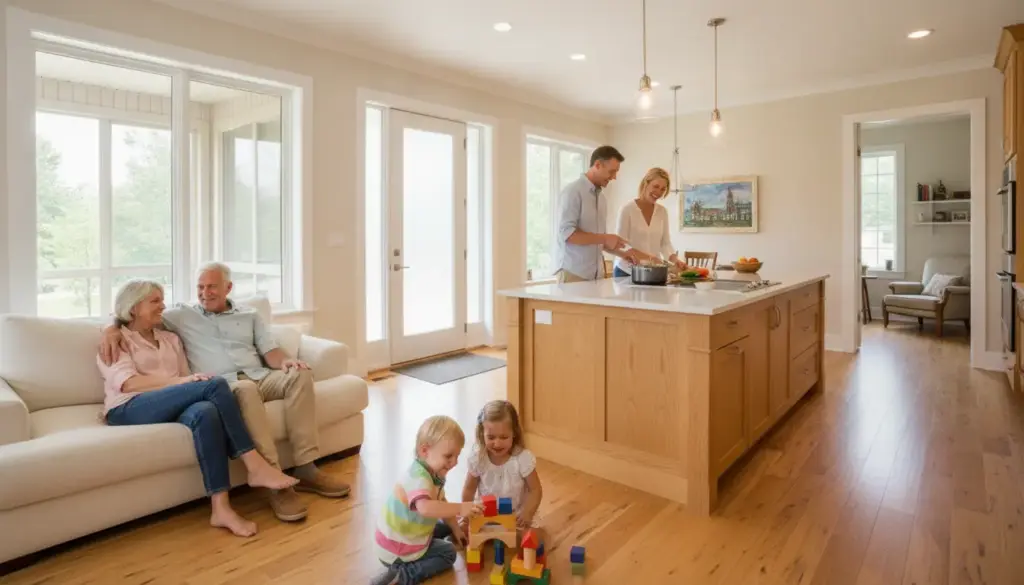
Multigenerational living is becoming increasingly common across the United States. According to data from the U.S. Census Bureau, millions of Americans now live in households that include multiple adult generations. Whether driven by caregiving needs, housing affordability, or a desire for stronger family connections, this trend is influencing how homeowners think about renovations and home design.
As families adapt their homes to accommodate parents, adult children, and grandchildren under one roof, certain home improvements stand out for their ability to enhance comfort, privacy, and functionality. The right upgrades can not only improve daily living but also increase a property’s appeal to future buyers.
Why Multigenerational Homes Are Growing in Popularity
The National Association of Realtors (NAR) has reported a steady increase in multigenerational home purchases over the past decade. Many buyers are specifically seeking homes that can accommodate aging parents, adult children returning home, or extended family members.
As a result, home improvement projects that support flexible living arrangements are becoming more desirable in today’s housing market.
Create a Private In-Law Suite
One of the most valuable upgrades for multigenerational families is the addition of an in-law suite.
These self-contained living spaces typically include a bedroom, bathroom, and sometimes a kitchenette. They provide privacy for older family members while allowing them to remain close to loved ones.
Depending on local regulations and available space, homeowners may convert a basement, garage, or unused section of the home into a dedicated suite. This arrangement can improve independence while maintaining convenient access to family support.
Benefits of In-Law Suites
- Enhanced privacy for multiple generations
- Greater flexibility for changing family needs
- Potential increase in property value
- Improved long-term livability
Add an Extra Bathroom
Bathroom availability is often one of the biggest challenges in larger households.
Adding a second or third bathroom can significantly reduce daily congestion while improving convenience for everyone in the home. Even a modest half-bath can make a noticeable difference when multiple generations share a residence.
For families planning to accommodate older adults, incorporating walk-in showers, grab bars, and non-slip flooring can help support aging in place while improving overall safety.
Invest in Accessibility Features
Accessibility improvements are among the most practical upgrades for multigenerational homes.
According to the National Association of Home Builders (NAHB), many homeowners are prioritizing universal design features that make homes easier to navigate for individuals of all ages and mobility levels.
Popular accessibility upgrades include:
- Wider doorways
- Zero-step entries
- Lever-style door handles
- Curbless showers
- Improved lighting
- First-floor bedrooms
These features not only benefit seniors but also enhance convenience for children, guests, and individuals recovering from injuries.
Design Flexible Living Spaces
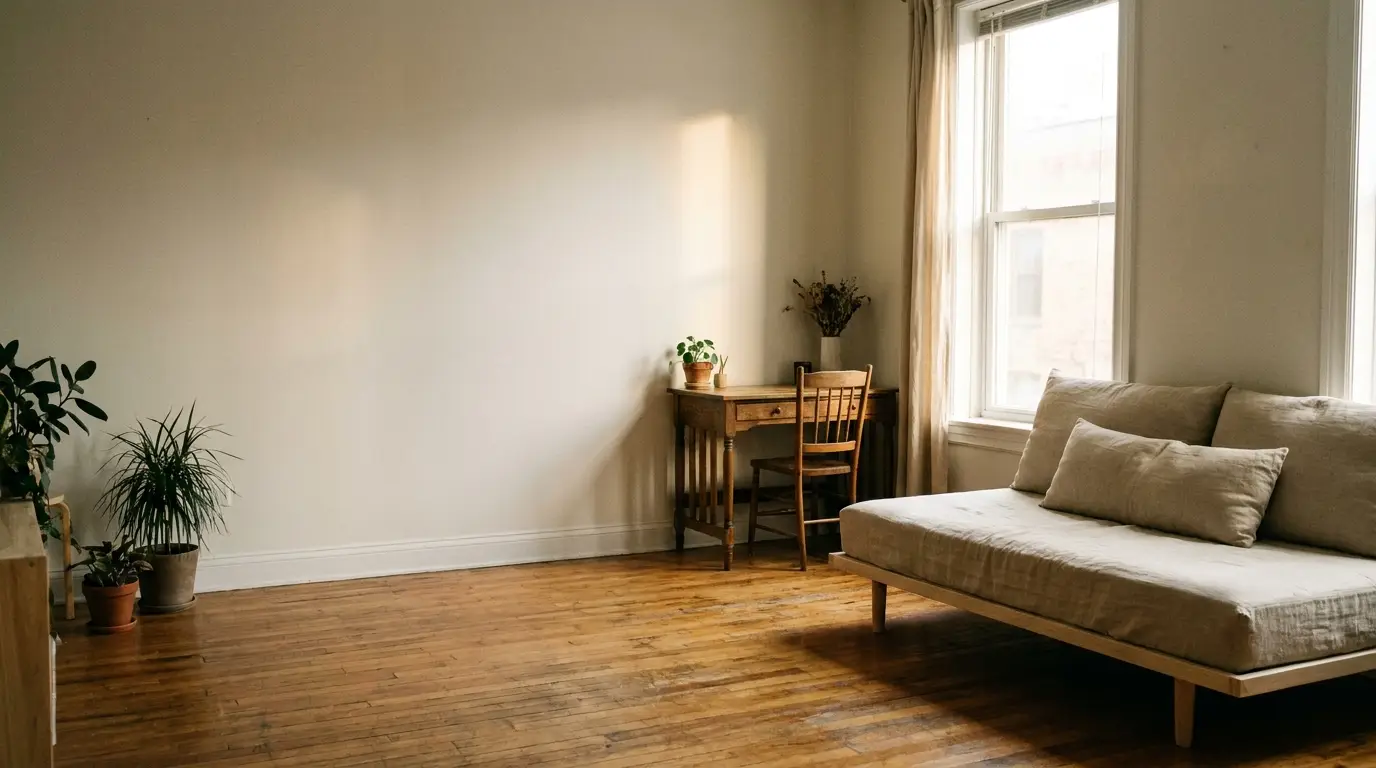
Today’s families need rooms that can serve multiple purposes.
A spare bedroom may function as a home office today and become a caregiver’s room tomorrow. A finished basement might serve as a recreation area, guest suite, or independent living space depending on family circumstances.
Flexible floor plans allow homeowners to adapt their living environment without major renovations as family needs evolve.
Ideas for Flexible Spaces
- Convertible guest rooms
- Finished basements
- Bonus rooms
- Multipurpose family rooms
- Detached backyard offices
Adaptability is one of the most sought-after features among modern homebuyers, making these upgrades beneficial both now and in the future.
Improve Privacy Through Soundproofing
While living together offers many advantages, privacy remains important.
Soundproofing improvements can help reduce household noise and create a more comfortable environment for everyone. Simple upgrades such as insulated interior walls, solid-core doors, acoustic panels, and upgraded windows can significantly improve sound control.
These enhancements are particularly valuable in homes where multiple generations maintain different schedules for work, school, and retirement activities.
Upgrade Common Areas for Family Gatherings
Multigenerational homes often place a greater emphasis on shared living spaces.
Open-concept kitchens, expanded dining areas, and comfortable family rooms can encourage interaction while accommodating larger gatherings. Renovations that improve traffic flow and seating capacity help ensure everyone has space to connect without feeling crowded.
Features such as kitchen islands, built-in storage, and durable flooring can further improve functionality in high-traffic areas.
Prioritize Energy-Efficient Improvements
Larger households often consume more energy, making efficiency upgrades especially worthwhile.
Homeowners may benefit from:
- Energy-efficient windows
- Smart thermostats
- Improved insulation
- High-efficiency HVAC systems
- LED lighting
These improvements can reduce utility costs while creating a more comfortable indoor environment for all household members.
Consider Long-Term Resale Value
When planning renovations, it’s important to think beyond current needs. Many of the improvements that appeal to multigenerational families also attract a broader range of future buyers.
Homeowners researching how to choose a real estate agent for selling often discover that versatile floor plans, accessibility features, and updated living spaces can enhance marketability and buyer interest.
Likewise, owners considering different exit strategies may compare traditional listings with alternatives such as house flippers near me, particularly when evaluating whether to renovate before selling.
By focusing on practical upgrades with broad appeal, homeowners can position their property for long-term value while meeting their family’s immediate needs.
Conclusion
As multigenerational living continues to grow, homeowners are increasingly investing in renovations that improve flexibility, accessibility, and comfort. In-law suites, additional bathrooms, adaptable living spaces, and energy-efficient upgrades can help create a home that serves multiple generations successfully.
Backed by trends identified by organizations such as the National Association of Realtors and the National Association of Home Builders, these improvements reflect the evolving needs of today’s families. Whether you’re accommodating aging parents, supporting adult children, or planning for the future, thoughtful home upgrades can make multigenerational living more enjoyable while strengthening your property’s long-term value.