

Coming home after a hospital stay feels like a relief – until you realize the house isn’t set up for how you’re actually moving and resting right now.
Stairs that were never an issue before suddenly matter. The couch that seemed perfectly comfortable isn’t anymore. And sleep, which is when most of the real healing happens, keeps getting interrupted by small things that were easy to ignore before.
Getting the home environment right makes a real difference in how recovery goes. Here’s what actually helps.
Start With the Sleeping Setup
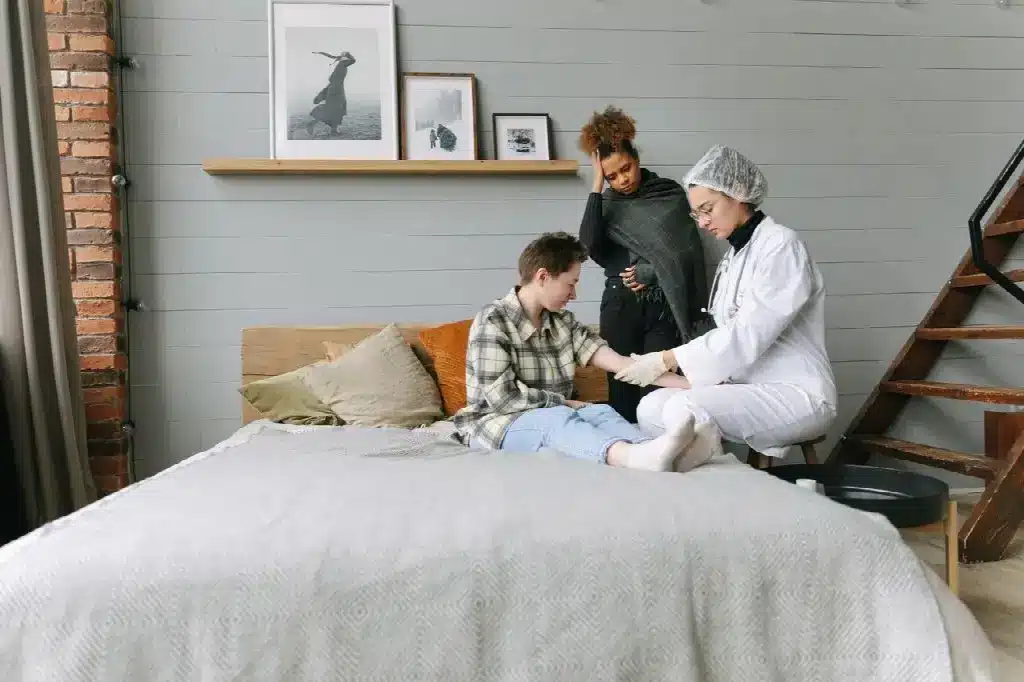
Sleep is where your body does most of its repair work. That makes your sleeping arrangement the most important thing to sort out before you come home, not after.
A few things worth thinking through in the first part of recovery:
- Mattress support matters more than usual. A mattress that’s too soft makes it hard to get in and out of bed without straining healing areas. If your usual bed is very plush, a firm mattress topper or even a temporary bed on a lower, stable frame can help depending on your mobility situation.
- Pillow positioning. Post-surgery, most people need more pillow support than they’re used to – under knees, behind the back, or propping a limb. Wedge pillows are worth having on hand before you get home.
- Proximity to the bathroom. If your bedroom is far from the bathroom, consider whether sleeping somewhere closer on the ground floor makes more practical sense for the first few weeks.
- Temperature control. Bodies recovering from surgery or illness often run warmer or cooler than usual. Lightweight layering – a breathable sheet plus a light blanket rather than one heavy comforter – makes it easier to adjust without waking up fully.
The goal is a setup where you can get in and out of bed without help if possible and where lying down doesn’t itself cause discomfort.
Professional Support Changes What’s Possible at Home
For people recovering from surgery, a serious illness, or a hospital stay of any length, having professional care at home shifts the recovery experience significantly.
Recovery care at home in Florida services can provide skilled nursing, physical therapy, and personal care assistance in the home – which means medical oversight without having to leave to get it.
This matters practically because many of the environmental changes that make recovery smoother – mobility aids, safe transfer techniques, wound care, and medication management – are things that benefit from professional guidance rather than improvisation.
Reduce Friction in High-Use Areas
The parts of the home you use most during recovery are the bedroom, bathroom, and kitchen. Small modifications in each of these can cut down on the effort each basic task takes – which matters when energy is limited and every unnecessary strain slows things down.
- Bathroom: Grab bars near the toilet and in the shower are the highest-impact addition for most people recovering from orthopedic surgery or any condition affecting balance or leg strength. A shower chair and a handheld showerhead make bathing possible without standing for extended periods.
- Kitchen: Move frequently used items to counter level so reaching up or bending down isn’t required. A kettle, a toaster, and whatever you eat most often should all be accessible without stretching or stooping. If you’re cooking for yourself, batch cooking or having meals delivered in the early weeks takes pressure off days when energy is low.
- Living areas: Clear a direct path between the rooms you use most. Extension cords, rugs that shift, and anything on the floor that requires stepping over are fall risks that don’t matter on a normal day but matter a lot when mobility is compromised.
What to Have Within Reach

One of the most practical things you can do before coming home is set up a recovery station – a single area, usually near the bed or the couch where you’ll spend the most time, that has everything you might need without requiring you to get up repeatedly.
Things worth having within arm’s reach:
- Water bottle and any medications with a schedule reminder
- Phone charger at a convenient height
- Tissues, hand sanitizer, a small trash bag
- Remote controls, reading material, headphones
- A small notebook for tracking symptoms, medication times, or questions for the next appointment
Getting up unnecessarily costs energy and increases fall risk in the early stages of recovery. The fewer trips across the house for small things, the better.
Recovery Takes Longer Than It Looks
The temptation once you feel better is to go back to normal activity before the healing is complete. Most setbacks in home recovery happen not because the environment was wrong but because the person started doing too much too soon.
A comfortable home environment doesn’t just make physical recovery easier – it makes it easier to rest, which makes it easier to be patient. When your space is genuinely comfortable, staying in it and letting the process work isn’t as frustrating. That might be the most underrated part of setting things up well before you come home.