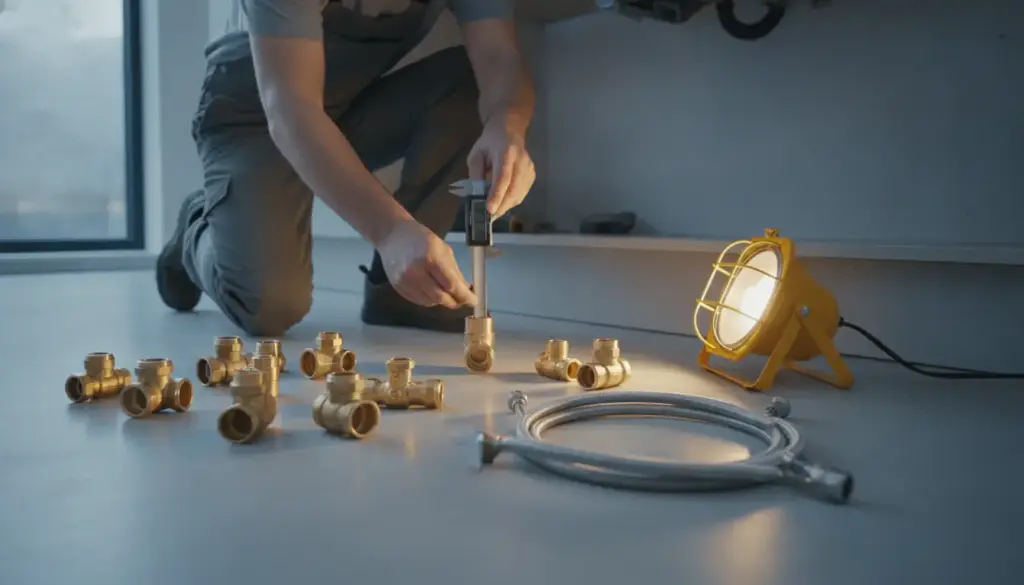
DIY renovation planning often starts with design choices: new fixtures, updated layouts, better storage, or a cleaner-looking utility area. But when it comes to plumbing, the success of a project often depends on something much less exciting: measurements. Ordering the wrong pipe, hose, valve, or fitting can delay installation, create extra return work, and make a simple weekend project take much longer than expected.
Before buying plumbing parts online, homeowners should take a few minutes to confirm the basic measurements that affect compatibility. Whether you are replacing a supply hose, planning a small bathroom update, or preparing for a larger renovation, checking these details early can help you avoid common ordering mistakes.
1. Pipe Diameter
Pipe diameter is one of the first measurements to confirm because many plumbing parts are size-specific. A fitting made for 1/2-inch pipe will not properly fit a 3/4-inch pipe, even if the product looks similar in photos.
For DIY planning, do not rely only on appearance. Pipes can look close in size, especially in tight areas under sinks, behind appliances, or near water heaters. Check the pipe markings if visible, review your home’s existing plumbing specs, or use a measuring tool when possible.
Common residential sizes include 1/2 inch and 3/4 inch for water supply lines, while drain and DWV systems often use larger sizes such as 1-1/2 inch, 2 inch, or 3 inch. Confirming the exact diameter before ordering helps ensure that valves, elbows, tees, couplings, and adapters match the system you are working with.
2. Thread Type
Thread type is another detail that is easy to overlook. A part may have the right size but the wrong thread connection, which means it still will not fit correctly.
Some common thread and connection descriptions include:
- MIP: male iron pipe thread
- FIP: female iron pipe thread
- MHT: male hose thread
- FHT: female hose thread
- Compression: commonly used for fixture supply connections
- Sweat: used for soldered copper connections
For example, a threaded pipe connection and a garden hose thread may both look like threaded fittings, but they are not the same. If you are replacing an old valve, hose, or adapter, compare the product name and connection type carefully before ordering.
When browsing plumbing parts from a supplier like PlumbingSell, it is useful to search by both size and connection type instead of size alone. This helps narrow the results to parts that are more likely to match your existing setup.
3. Connection Size
Connection size is not always the same as the pipe size. This is especially important for hoses, stop valves, faucet connections, appliance lines, and adapters.
For example, a braided supply hose may include two different connection sizes on each end, such as 3/8-inch compression on one side and 1/2-inch FIP on the other. A shut-off valve may connect to a wall supply pipe on one end and a fixture hose on the other. If only one side is checked, the part may still be wrong.
Before ordering, confirm both ends of the connection. Ask:
What size is the inlet?
What size is the outlet?
Is it male or female?
Is it threaded, compression, sweat, press, crimp, clamp, or expansion?
Writing this down before shopping can make product comparison much easier.
4. Hose Length
Hose length matters for both function and appearance. A hose that is too short may pull tightly, stress the connection, or simply fail to reach. A hose that is too long may loop awkwardly, take up cabinet space, or create a messy installation area.
For under-sink connections, toilet supply lines, dishwasher connections, washing machine hoses, and appliance water lines, measure the distance between the two connection points. Then allow a little extra length for a natural bend, but avoid excessive slack.
For DIY renovations, it is also worth thinking ahead. If a vanity, appliance, or fixture is being moved slightly, measure based on the new layout rather than the old one. This is a common place where homeowners accidentally order parts that matched the previous setup but not the renovated space.
5. Fitting Angle
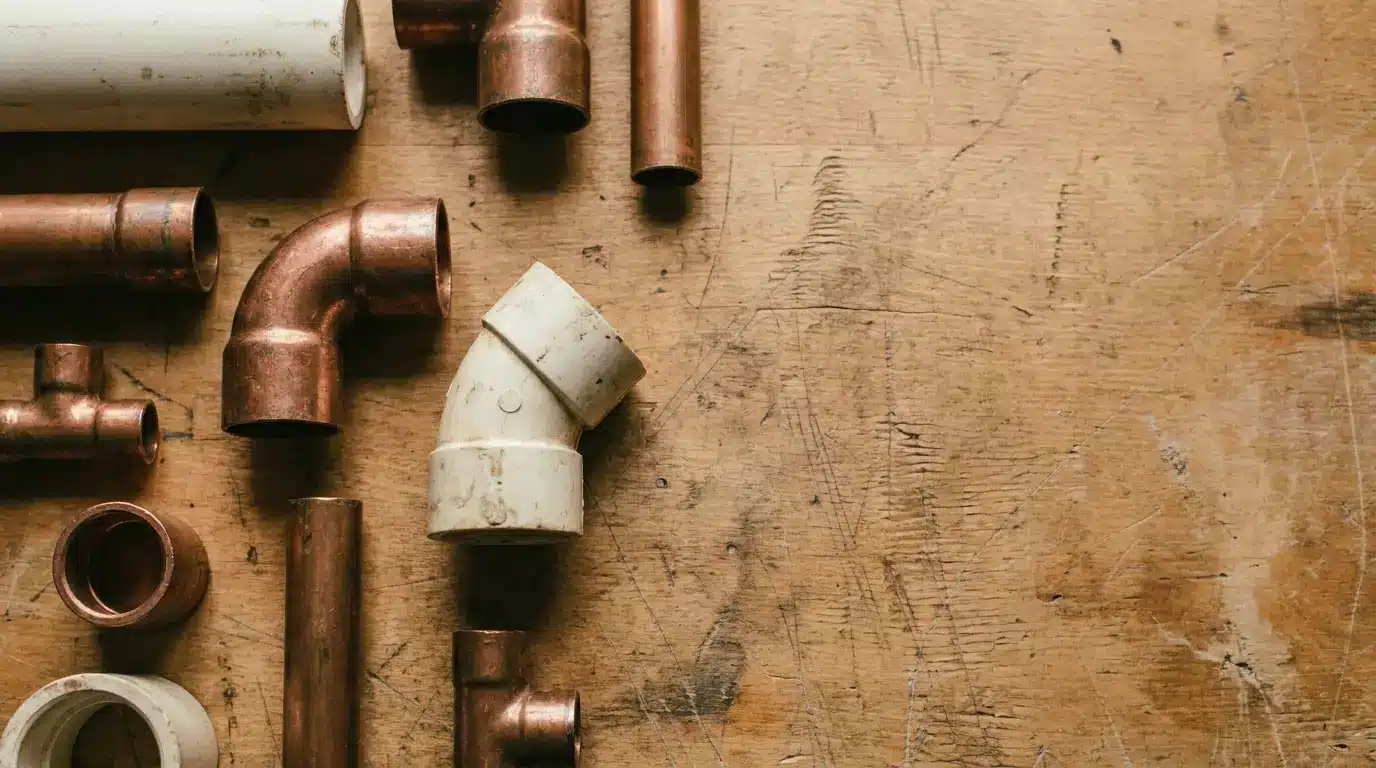
Plumbing fittings often come in different angles, and choosing the wrong one can affect pipe layout. Common examples include 90-degree elbows, 45-degree elbows, tees, wyes, and reducing fittings.
A 90-degree elbow changes direction sharply, while a 45-degree elbow creates a softer turn. In drain systems, fitting shape can also affect flow direction and code requirements, so it is important to choose the fitting type that matches the intended layout.
Before ordering, sketch the pipe route or take photos of the area. Mark where the pipe needs to turn, branch, or connect. This helps you decide whether you need an elbow, tee, wye, coupling, adapter, or reducer.
6. Product Compatibility
Finally, confirm that the part is compatible with your plumbing material and connection system. This is especially important with PEX, copper, CPVC, PVC, and press fittings.
For example, PEX-A and PEX-B may use different connection methods. Copper systems may require sweat, press, or threaded connections. PVC fittings may be designed for pressure applications or DWV drain systems, and those are not always interchangeable.
Before ordering, check:
- Pipe material
- Connection method
- Application type
- Size on both ends
- Pressure or drain use
- Indoor or outdoor suitability
A practical online store such as PlumbingSell can be helpful during renovation planning because homeowners can compare product titles, sizes, and connection types before buying. Still, the most important step is confirming your existing measurements first.
Final Thoughts
Plumbing parts can look simple, but small measurement differences can create big delays. Before ordering, homeowners should confirm pipe diameter, thread type, connection size, hose length, fitting angle, and product compatibility. Taking photos, writing down measurements, and checking both ends of every connection can save time and reduce frustration.
For DIY renovation projects, good planning is not just about choosing the right fixture or design. It is about making sure every part fits the system already in place. A few minutes of measuring before purchase can help keep your project moving smoothly from start to finish.