
Divorce ranks among life’s most stressful events, triggering a cascade of emotional and physical changes that can persist for months or even years. While most people focus on the legal and financial aspects of separation, one critical factor often gets overlooked: sleep quality. Research shows that marital disruption significantly impacts sleep patterns, and poor sleep, in turn, can worsen mental health outcomes during this already challenging time.
If you’re going through a divorce, you might notice tossing and turning more at night, waking up exhausted, or lying awake replaying conversations in your mind. These aren’t just temporary inconveniences. The quality of your sleep directly influences your ability to cope with stress, make decisions, and maintain emotional stability during divorce proceedings.
How Divorce Disrupts Sleep Patterns
The connection between divorce and sleep disturbance is well-documented in research. Studies published by the National Institutes of Health reveal that divorced individuals, particularly women, experience higher rates of sleep problems compared to married individuals. Sleep problems lasting longer than 10 weeks after marital separation have been associated with future mental health challenges.
During divorce, multiple factors conspire to disrupt normal sleep patterns. Stress hormones like cortisol remain elevated, making it difficult to fall asleep or stay asleep throughout the night. The emotional turmoil of separation triggers racing thoughts that interfere with the natural sleep cycle. Many people going through divorce also experience changes in their living situation, sleeping in unfamiliar environments, or adjusting to sleeping alone after years of sharing a bed.
Financial concerns add another layer of stress that keeps people awake at night. Questions about housing, child support, and dividing assets create persistent worry that makes restful sleep nearly impossible. The legal process itself, with its deadlines, court dates, and paperwork, creates ongoing anxiety that extends into nighttime hours.
The Mental Health Connection
The relationship between sleep and mental health works both ways. Poor sleep worsens depression and anxiety, while depression and anxiety make it harder to sleep, creating a difficult cycle to break. According to data from the Centers for Disease Control and Prevention, approximately one-third of U.S. adults report sleeping less than the recommended amount, and inadequate sleep significantly increases the risk of frequent mental distress.
Research demonstrates that improving sleep quality leads to measurable improvements in mental health. A comprehensive analysis published in the journal Sleep Medicine Reviews found that interventions focused on improving sleep led to significant reductions in depression, anxiety, and rumination. The effect sizes were substantial, indicating that sleep quality serves as a genuine lever for improving mental well-being.
During divorce, when mental health support is critical, sleep quality becomes even more important. Depression symptoms commonly associated with divorce, including persistent sadness, loss of interest in activities, and difficulty concentrating, all worsen with inadequate sleep. Anxiety about the future intensifies when you’re exhausted. Decision-making ability, crucial for navigating legal matters, declines significantly after poor sleep.
The legal proceedings themselves demand clear thinking and emotional regulation. Whether you’re negotiating custody arrangements, dividing property, or working through mediation, sleep deprivation puts you at a significant disadvantage. Orange County divorce attorneys often observe that clients who are well-rested handle the emotional and practical challenges of divorce more effectively than those struggling with sleep problems.
Practical Steps to Improve Sleep Quality During Divorce
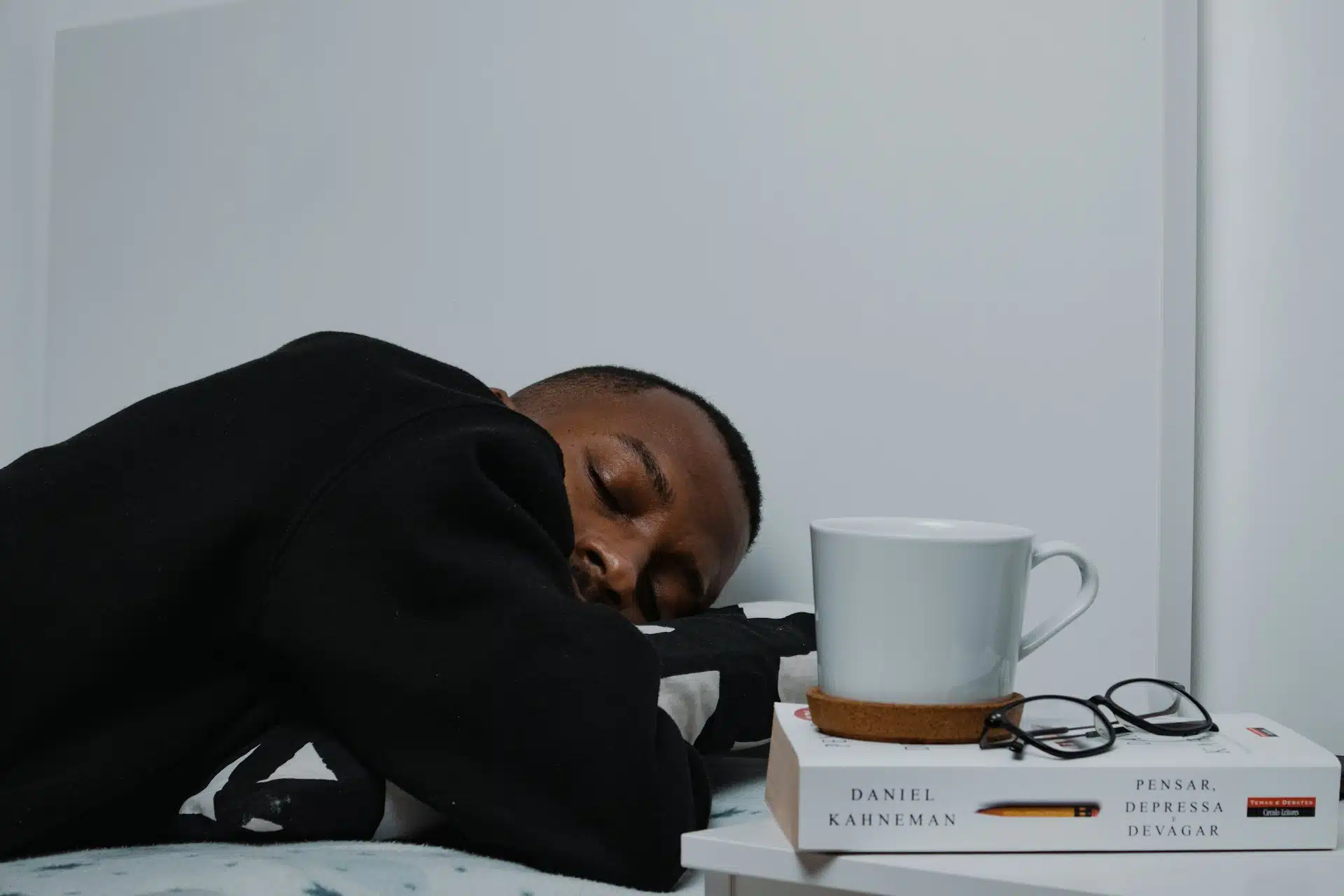
While you can’t eliminate the stress of divorce, you can take concrete steps to protect your sleep quality. Start by creating a consistent sleep schedule, going to bed and waking up at the same time every day, even on weekends. This regularity helps regulate your body’s internal clock, making it easier to fall asleep naturally.
Your sleep environment matters more than ever during this transitional period. If you’ve moved to a new home or are sleeping alone for the first time in years, pay extra attention to mattress quality, room temperature, and darkness levels. A supportive mattress that maintains proper spinal alignment can reduce physical discomfort that contributes to nighttime waking. Keep your bedroom cool, dark, and quiet to promote deeper sleep.
Limit screen time in the hours before bed. The blue light from phones, tablets, and computers suppresses melatonin production, making it harder to fall asleep. Instead of scrolling through legal documents or checking email before bed, create a relaxing bedtime routine. Reading, gentle stretching, or listening to calming music can help transition your mind from the day’s stresses to sleep mode.
Be mindful of caffeine and alcohol consumption. While alcohol might seem to help you fall asleep initially, it disrupts sleep quality later in the night, leading to fragmented, unrefreshing sleep. Caffeine stays in your system longer than most people realize, so consider cutting off caffeine intake by early afternoon.
Physical activity during the day promotes better sleep at night, but avoid vigorous exercise within a few hours of bedtime. Even a 20-minute walk can help reduce stress hormones and promote more restful sleep.
When to Seek Professional Support
If sleep problems persist despite your best efforts, consider consulting a healthcare provider. Sleep disorders like insomnia can develop during highly stressful periods and may require professional treatment. Cognitive behavioral therapy for insomnia (CBT-I) has proven highly effective for treating sleep problems and doesn’t necessarily require medication.
Mental health support is equally important. A therapist experienced in divorce-related issues can help you process emotions in healthy ways rather than ruminating at night. Support groups for people going through divorce can reduce feelings of isolation that often interfere with sleep.
Pay attention to warning signs that sleep deprivation is affecting your daily functioning. If you’re experiencing persistent difficulty concentrating, increased irritability, memory problems, or feeling overwhelmed by basic tasks, these may indicate that poor sleep is compromising your mental health. Don’t wait until you’re in crisis to seek help.
Moving Forward With Better Sleep
Divorce represents a major life transition, and healing takes time. While you navigate the legal and emotional challenges ahead, protecting your sleep quality provides a foundation for better mental health. Quality sleep won’t eliminate the difficulties of divorce, but it will help you face them with greater resilience, clearer thinking, and improved emotional regulation.
Remember that investing in good sleep isn’t selfish or frivolous during this time. It’s an essential part of taking care of yourself so you can make sound decisions, support your children if you have them, and emerge from this difficult period in the best possible position to move forward with your life.