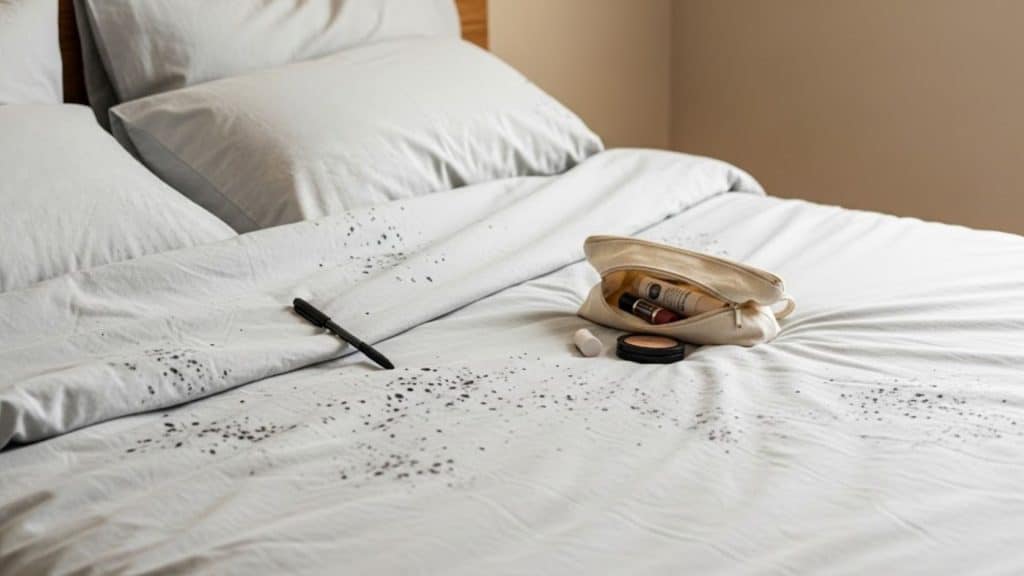



A cleaner bedroom can make the whole home feel easier to manage without turning every weekend into a full cleaning day. Your bedroom does not need to look like a display home to feel peaceful. It does not need matching cushions, expensive lamps, or hotel-style styling.
But it does need to feel fresh enough that your mind and body can relax without noticing dust, clutter, stale air, or the corner you keep putting off.
When people talk about better sleep, they usually focus on mattresses, pillows, temperature, light, and screen habits. Those things are important. But the condition of the room itself can also affect how calm you feel at night.
A dusty, crowded, or stale bedroom can make the end of the day feel unfinished. A clean bedroom creates a small reset point before sleep.
This guide explains what to clean, how often to clean it, which areas are commonly missed, and when professional cleaning may be worth considering.
Key Takeaways
- A clean bedroom can support a calmer sleep routine by reducing dust, clutter, and stale air.
- The main areas to focus on are bedding, bedside surfaces, floors, window tracks, skirting boards, and under-bed spaces.
- A weekly clean is enough for most bedrooms when the routine is consistent.
- A monthly deeper clean helps stop hidden dust from building up.
- Move-out cleaning requires a much higher standard than everyday bedroom cleaning.
- Professional cleaners are most helpful when the whole home needs a proper reset, not just one visible room.
Bedroom Cleaning Checklist for a Fresher Sleep Space
A bedroom cleaning routine does not need to be complicated.
The goal is to keep the room fresh, comfortable, and easy to maintain.
Area | How Often | Why It Matters |
Sheets and pillowcases | Weekly | Removes sweat, body oils, skin cells, and odours |
Bedside tables | Weekly | Dust builds up close to where you sleep |
Floors and rugs | Weekly | Collects hair, dust, fibres, pet dander, and dirt |
Under the bed | Monthly | Hidden dust can build up for weeks without being noticed |
Skirting boards | Monthly | Dust along edges can make a room feel neglected |
Window sills and tracks | Monthly | Dirt, insects, moisture, and grime often collect here |
Wardrobe floor | Monthly | Shoes, bags, and fabrics bring in dust |
Curtains or blinds | Every 1–3 months | Fabric and slats hold fine dust |
Ceiling fan or light fittings | Monthly | Dust can fall back into the room when ignored |
Mattress surface | Monthly | Helps remove loose dust, hair, and debris |
You do not need to clean every corner every day.
You just need to stop the room from slowly becoming “almost clean, but not really fresh.”
What Should a Proper Bedroom Clean Include?

A real bedroom clean is more than making the bed and picking up clothes.
Those tasks help the room look better.
But they do not always remove the dust and grime that affect how the room feels.
Task | What to Do |
Bedding | Wash sheets, pillowcases, and duvet covers regularly |
Mattress area | Vacuum the mattress surface and bed frame edges |
Bedside area | Wipe bedside tables, lamps, chargers, switches, and remotes |
Floors | Vacuum slowly or mop carefully, especially around the bed |
Under-bed space | Move storage boxes and remove dust properly |
Wardrobe | Clear the floor, wipe shelves, and remove unused items |
Windows | Wipe window sills, tracks, and nearby wall edges |
High-touch points | Clean handles, switches, drawer pulls, and remotes |
Corners and edges | Remove cobwebs and dust along skirting boards |
A bedroom can look tidy while still holding hidden dust.
That is why edges, corners, window tracks, and under-bed areas matter.
These small areas often make the biggest difference to how fresh the room feels.
Why Bedrooms Start Feeling Stale
Bedrooms rarely become uncomfortable all at once. The change usually happens slowly.
A few missed areas can build up over time and make the room feel heavier than it should.
1. Dust Collects Around the Bed
Dust near the bed is easy to miss because it often sits below eye level. It gathers under the bed frame, behind bedside tables, around lamp bases, and along floor edges. This matters because the bed is where you spend hours breathing in the same small area. Even if you are not sensitive to dust, a dusty bedroom can still feel stale. A damp cloth is usually better than a dry duster because it traps dust instead of pushing it back into the air.
2. Clutter Makes It Harder to Switch Off
A chair covered in clothes can make the room feel unfinished. Receipts on the dresser, shoes near the wardrobe, and half-used products on the bedside table can all add visual noise. None of these things are a major issue on their own. But together, they make the room feel busy. The easiest way to improve the room is to reduce what stays visible. Fewer items on open surfaces means less dusting and fewer reminders of unfinished tasks.
3. Bedroom Floors Hold More Dirt Than Expected
Bedroom floors collect hair, dust, bedding fibres, outdoor dirt, and sometimes pet dander. Carpets and rugs hold even more because fine particles settle into the fibres. Vacuuming slowly works better than rushing. A quick pass may only remove surface debris. A slower pass gives the vacuum more time to lift fine dust and hair. For hard floors, vacuum first and mop after. Mopping without vacuuming can drag dust into corners instead of removing it.
4. Hidden Areas Are Usually Forgotten
The most missed areas are not always hard to clean. They are simply out of sight.
Common missed spots include:
- Behind the bedhead
- Under the bed
- Window tracks
- Wardrobe corners
- Skirting boards
- Curtain edges
- Ceiling fan blades
- Door frames
- Light switches
These are the areas that make a room feel properly cleaned once they are finally done.
Weekly, Monthly, and Seasonal Bedroom Cleaning
A simple cleaning schedule is easier to keep than an unrealistic one. You do not need to deep clean every week. You just need a routine that stops build-up before it becomes obvious.
Cleaning Level | Best For | Tasks |
Weekly reset | Keeping the room comfortable | Change bedding, dust main surfaces, vacuum floors, remove clutter |
Monthly clean | Removing hidden build-up | Vacuum under the bed, wipe skirting boards, clean window tracks, clear wardrobe floors |
Seasonal deep clean | Full bedroom refresh | Clean curtains or blinds, rotate mattress, wipe high fittings, declutter storage |
Moving clean | Rental handover or new home | Detailed cleaning of walls, tracks, cupboards, floors, carpets, and inspection areas |
Weekly cleaning keeps the room comfortable. Monthly cleaning keeps it fresh.
A move-out clean is different because the room is being checked by someone else, usually an agent or landlord.
DIY Bedroom Cleaning vs Professional Cleaning

For one bedroom, DIY cleaning is usually manageable.
The bigger question is whether you are cleaning one room or trying to reset the whole property.
Factor | DIY Cleaning | Professional Cleaning |
Best for | Light weekly maintenance | Full home reset or time-poor households |
Time required | 30 minutes to 2 hours per room | Depends on property size and scope |
Equipment | Basic vacuum, cloths, mop, sprays | Professional tools and products |
Detail level | Depends on time and energy | More systematic room-by-room process |
Risk of missed areas | Higher | Lower |
Best timing | Weekly tidy or small refresh | Monthly, seasonal, move-in, move-out, or deep cleaning |
Professional cleaning is most useful when the whole home feels overdue. It is not only about making one bedroom look better.
It can help reset the kitchen, bathrooms, living areas, laundry, and bedrooms at the same time.
Moving Out? Bedroom Cleaning Standards Are Different
Regular bedroom cleaning is about comfort. Move-out cleaning is about inspection. When a bedroom is checked at the end of a lease, the standard is usually much higher.
Property managers may inspect window tracks, wardrobes, walls, skirting boards, carpets, light fittings, door frames, and marks left behind after furniture is removed.
Many renters only notice hidden dust after beds, drawers, and storage boxes are gone. Once the room is empty, every edge becomes easier to see.
If the property needs to be handed back to an agent or landlord, an end of lease cleaning service is usually more suitable than a normal weekly clean.
It is designed for final inspection standards rather than everyday comfort.
Bedroom Areas People Often Miss
Some cleaning jobs make a bedroom look better.
Others make it feel better.
These commonly missed areas can make a bigger difference than people expect.
Missed Area | Why It Matters |
Behind the bedhead | Dust collects close to where you sleep |
Bedside cables and items | They collect dust and make surfaces feel messy |
Window tracks | They can hold dirt, moisture, and dead insects |
Wardrobe floor | Shoes and bags bring in dust |
Fan blades | Dust spreads when the fan is switched on |
Rug edges | Hair and debris often collect along the sides |
Door handles | High-touch areas are often overlooked |
Skirting boards | Dust lines make the whole room feel less fresh |
Cleaning these areas can improve the room more than adding new decor.
How to Keep Your Bedroom Fresher Between Cleans
You do not need a strict routine to keep your bedroom comfortable. A few small habits can make the room easier to maintain.
- Open the window when the weather allows.
- Put laundry away before it turns into a chair pile.
- Keep fewer items on the bedside table.
- Vacuum around the bed slowly.
- Use a damp cloth for dust.
- Wash bedding on a regular schedule.
- If you have pets, clean the floors more often.
- If you have allergies, pay more attention to curtains, rugs, bedding, and fabric surfaces.
- If the room has poor ventilation, check windows, corners, and wardrobes for moisture or musty smells.
The cleaner the room stays during the week, the less work it needs later.
Final Thoughts
A better bedroom does not need to be expensive. Sometimes the biggest improvement is simply making the room feel clean again. Fresh bedding helps. Clear floors help. Dust-free surfaces help. So does cleaning the small hidden areas that quietly change how the room feels.
A clean bedroom gives you one less thing to think about at night. When the space around you feels calmer, sleep has a better chance of coming naturally.
Frequently Asked Questions
How Often Should I Clean My Bedroom?
Most bedrooms should be cleaned weekly, with a deeper clean once a month. A weekly clean should include bedding, dusting, floors, and clutter. A monthly clean should include under-bed spaces, window tracks, skirting boards, wardrobe floors, and high dust areas.
Can a Clean Bedroom Help with Sleep?
It can help create a calmer sleep environment. A clean bedroom will not solve every sleep issue. But reducing dust, clutter, stale air, and messy surfaces can make the space feel easier to relax in.
What Is the Most Important Part of The Bedroom to Clean?
Start with the area around the bed. This includes bedding, bedside tables, the floor beside the bed, the bed frame, and anything stored underneath. It is the area closest to you while you sleep.
Should I Clean the Bedroom Before Adding New Bedding?
Yes, if possible. Fresh bedding feels better in a clean room. Before putting on new sheets, clean the mattress area, vacuum the floors, wipe nearby surfaces, and remove dust from window sills and skirting boards.
What Is the Difference Between Regular Bedroom Cleaning and Move-Out Cleaning?
Regular bedroom cleaning is for comfort and hygiene. Move-out cleaning is for inspection. It usually requires more detail around walls, wardrobes, window tracks, skirting boards, carpets, floors, and areas hidden by furniture during the tenancy.