The Mediterranean Diet
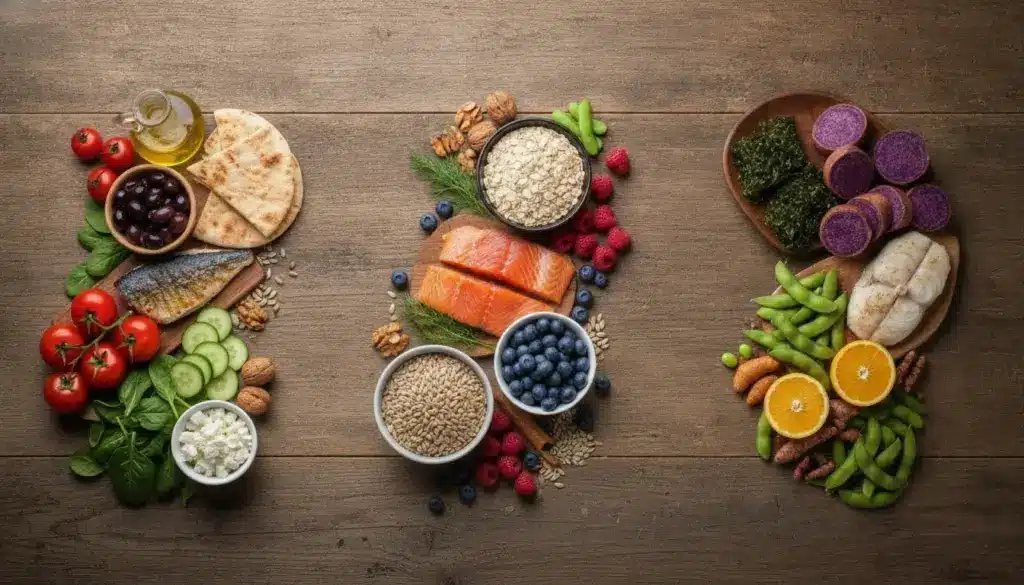
There is not much to go wrong with the average Mediterranean diet. Full of all the right foodstuffs, it is probably only the appearance of more than a few glasses of wine that prevent the regime from being perfect, and even these, in moderation, are not that harmful to you.
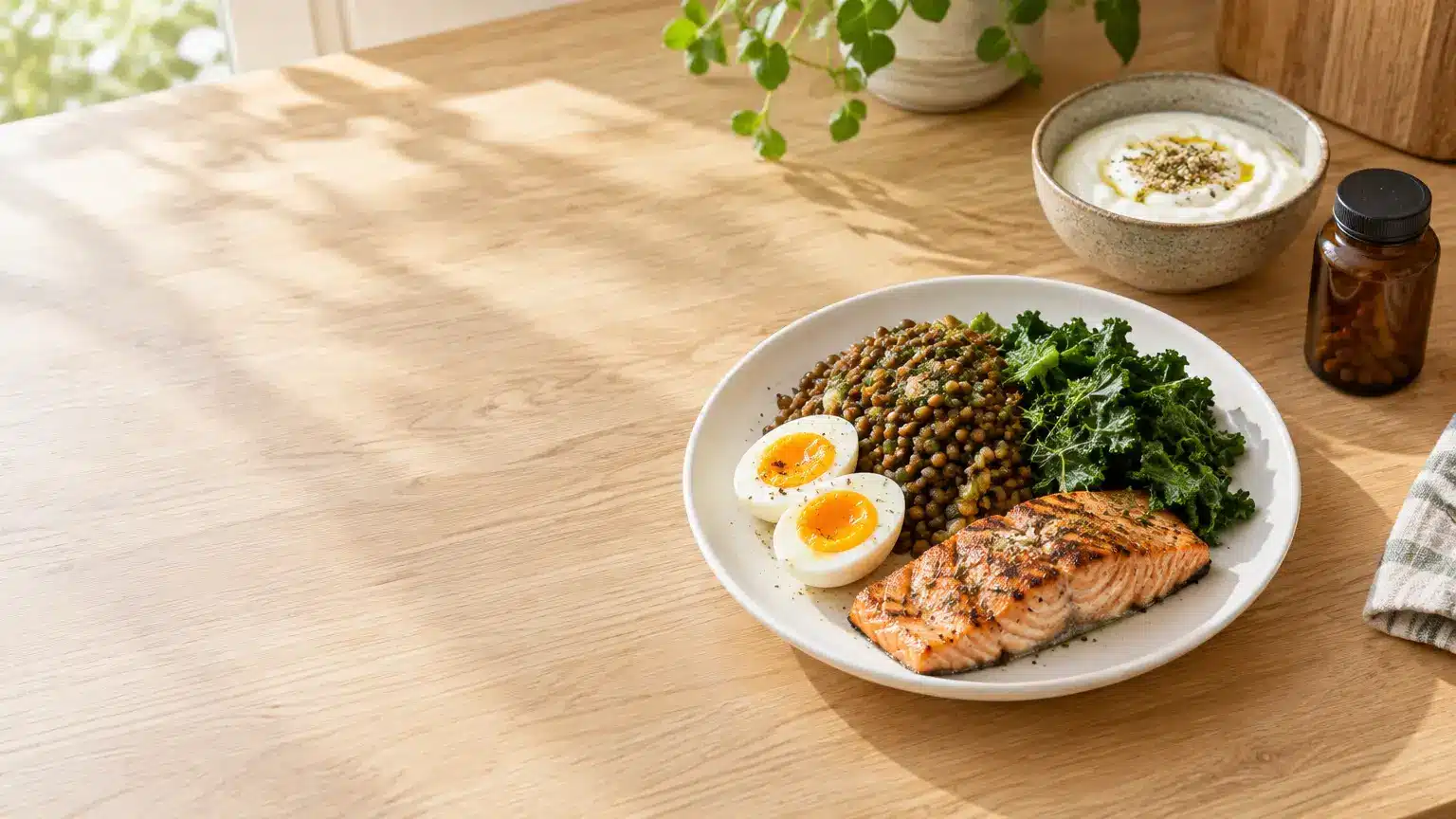
Follow this diet and you will be eating lots of fruits and vegetables, nuts, seeds and legumes, poultry and fish, whole grains and olive oil as the main source of fat. You will almost certainly be avoiding the need for medical consultancies, and your body will probably not break down, requiring the help of a wheelchair or mobility scooter, due to the presence of so many of the right nutrients staving off degradation.
The reason for this is the presence of so many of the factors which account for the potential non-proliferation of obesity, type-2 diabetes, hypertension, coronary heart disease, stroke and heart failure, throughout your life.
Such a diet is thought, these days, to be responsible for the lower risk of neurodegenerative disorders such as Alzheimer’s disease and dementia. The evidence is fairly strong with many studies espousing this diet and its potential to slow down cognitive decline.
The Nordic Diet
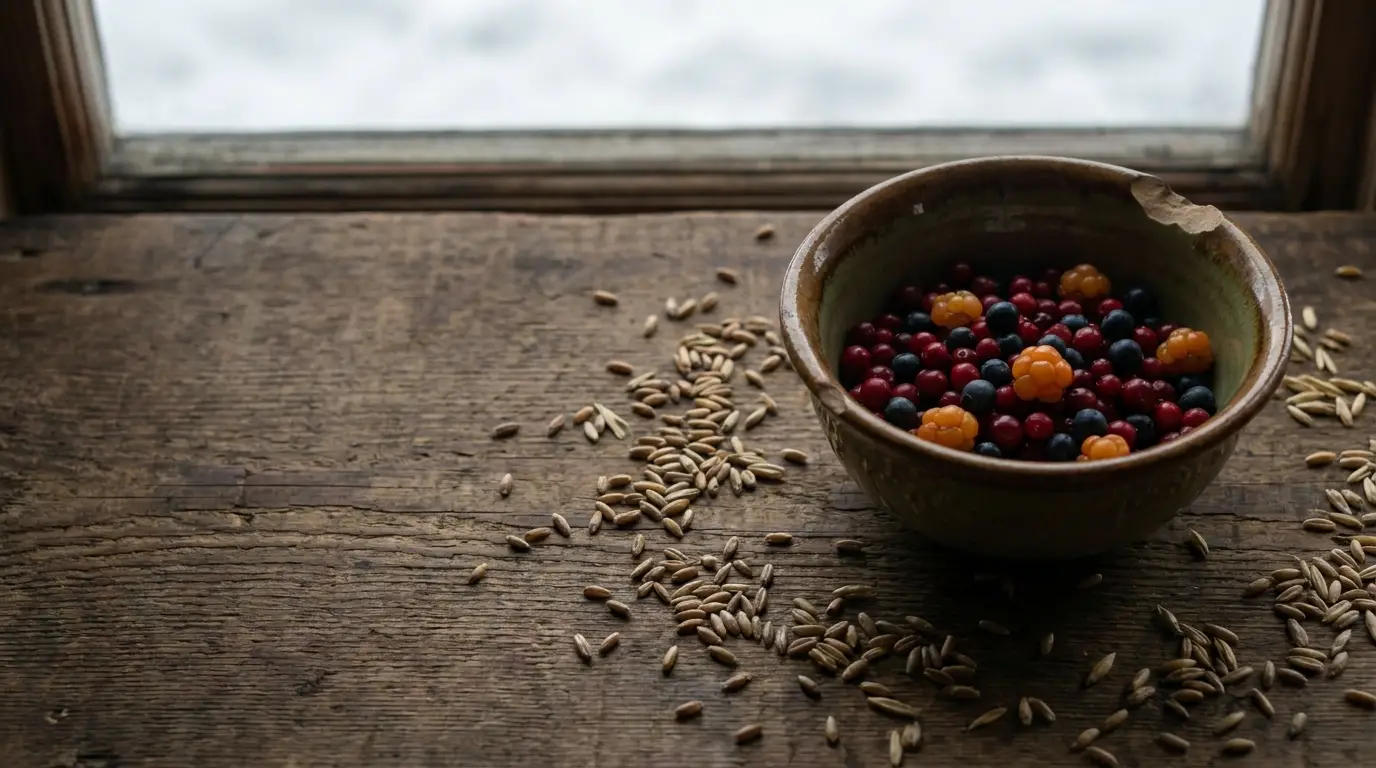
This is similar to the Med. Diet in the nature of its reliance of locally sourced, mainly plant-based products. However, the main oil of use is canola oil rather than extra virgin olive oil. Both oils are rich in oleic acid, but canola oil has other constituents, namely linoleic acid and alpha-linoleic acid.
The main types of whole grains taken in the diets of such countries as Denmark, Finland, Norway and Iceland are rye, barley and oats. Berries are more prominent in the Nordic Diet as opposed to citrus in the Med. Diet.
Studies of the Nordic diet have asserted that it offers a decrease in the emergence of cardiovascular disease and type-2 diabetes. It also offers a modest reduction in levels of LDL-Cholesterol, ApoB (the primary structural protein found on harmful, plaque-causing fat particles in the blood), general bodyweight, insulin and SBP (Spontaneous bacterial peritonitis).
The med. diet is hard to beat, but studies show a marked benefit when assessing early mortality in the Nordic Diet. Not a bad place to start!
The Okinawa Diet
This traditional diet, specific to the islanders known to us as Okinawans, is rich in vegetables. Grown here are many different types of vegetable, one of which is the root vegetable purple sweet potato while lots of green and yellow veg. can be produced here such as bitter melon and many leafy greens. Accompanying these foodstuffs are soybean-based foods, seaweeds, algae, tea and a variety of medicinal plants and spices such as turmeric.
As with most diets it is the combination of these items which bring about the desired effect and the Okinawans are known for having a high number of centenarians on the island. They don’t eat much red meat, and protein can be found in the marine fish they harvest from the seas.
Curious is their tradition of stopping eating when they are 80% full. This is known as Hara Hachi Bu. This is similar to mild calorific restriction.
The Okinawans have undergone some Westernization over the recent years, and evidence seems to suggest their mortality has increased in line with this influence.