

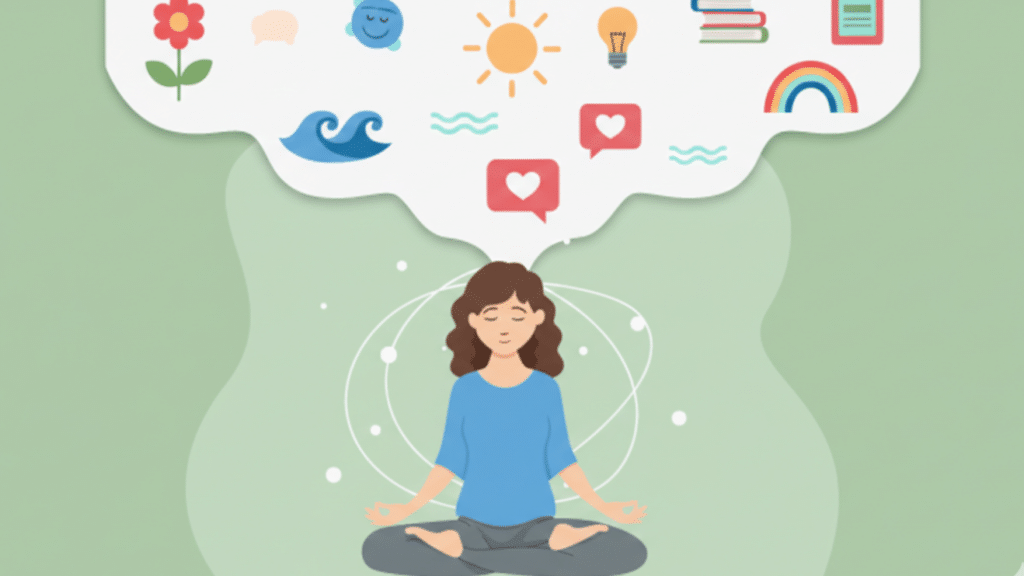
The components of health (physical, mental, emotional, social, and spiritual) are related to wellness because they are interconnected, so a change in one often affects the others.
Wellness is the ongoing practice of supporting all of them through daily choices such as sleep, movement, stress management, and connection. It goes beyond the absence of illness or stress, and each area it covers is connected to the others.
I see many people mix up health and wellness, and the confusion makes simple choices harder than they need to be, and I believe a balanced life starts with caring for both mind and body.
Here, it covers clear definitions, a one-week example, a quick self-check, and when to ask for professional help.
What Does Health Mean in Simple Terms?
Health means how well your body and mind work together each day. It is not only about avoiding sickness or visiting a doctor when something feels wrong.
Health also includes how strong you feel, how well you think, and how steady your emotions remain during daily life. When you feel rested, focused, and able to handle stress, your health is doing its job.
Health goes beyond illness because a person can feel unwell even without a disease. Poor sleep, stress, weak habits, or lack of movement can still affect how you feel.
That is why health is made up of several connected parts, not just one area. These parts include physical, mental, emotional, social, and other areas that support daily function.
When these components work together, they help support balance, energy, and long-term well-being.
What is Wellness and How is It Different From Health?
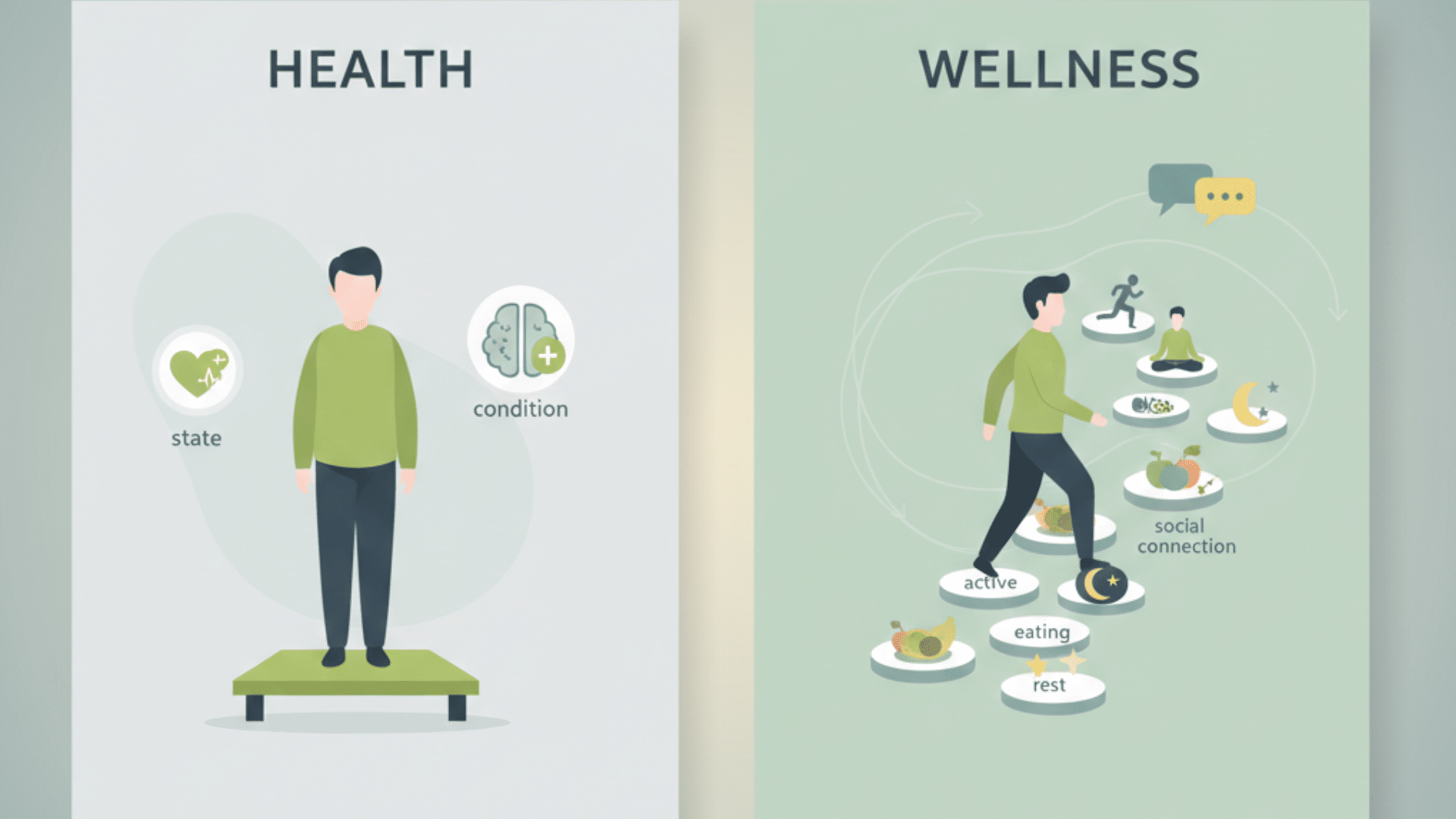
Wellness means the daily choices you make to support how you feel, think, and function.
It focuses on habits and actions that help you stay balanced over time. These actions can include staying active, managing stress, eating regularly, resting well, and keeping positive connections with others.
Wellness is about balance because no single habit works alone. Taking care of one area while ignoring others can still lead to problems.
Health and wellness are related but not the same. Health is your current condition at a moment in time. Wellness is the ongoing process that helps shape that condition.
In simple terms, health is where you are, and wellness is what you do each day to support it. Public health agencies describe wellness more broadly as being healthy acrossmany connected dimensions of life, which is why the two ideas overlap so much.
The Five Connected Health Dimensions
These components are core areas taught in health education to explain how different parts of life affect daily health and long-term well-being.
1. Physical Health
Physical health covers how your body functions during daily life. It includes regular movement, restful sleep, steady eating habits, hydration, and basic body care.
When you stay active and rest enough, your body gains strength and stamina for routine tasks. Without proper sleep or movement, energy drops, and simple tasks feel harder. Strong physical health also helps reduce strain on your mind and emotions during stressful moments. Think about your last short night. Did it change how patient you felt by the afternoon?
2. Mental Health
Mental health refers to how your mind processes thoughts, handles pressure, and stays focused. It includes attention, memory, decision-making, and stress response. When mental health is steady, your body reacts more calmly to challenges.
Ongoing stress can show up in the body as headaches, fatigue, or muscle tension. Mental health also affects sleep quality and motivation.
Taking breaks, organizing tasks, and practicing calm thinking help both your mind and body stay steady. If your mind feels crowded at bedtime, start with a short wind-down routine and keep screens out of the bedroom.
3. Emotional Health
Emotional health means understanding your feelings and managing your reactions in different situations. It includes recognizing emotions, handling frustration, and responding calmly during stress.
When emotions stay steady, your mind stays clearer, and your body feels less tense. Unmanaged emotions can lead to poor sleep, low energy, or physical discomfort.
Mental and emotional health overlap heavily, and many sources treat them as one area, so separating them makes each idea easier to see. Naming what you feel, even in one sentence in a notes app, is a small self-care habit that fits into a busy day.
4. Social Health
Social health focuses on relationships, communication, and connection with others. Positive interactions reduce stress and boost motivation during daily activities.
Support from friends, family, or classmates helps you handle pressure more easily. Strong social health also encourages healthy habits, such as staying active or managing time better. When you ignore your social needs, stress levels often rise and energy drops. A walk with a friend counts for two components at once.
5. Spiritual Health
Spiritual health relates to personal values, inner meaning, and a sense of direction in life. It does not focus on religion, but on what guides your choices and actions.
Understanding what matters to you helps improve emotional steadiness and decision-making. When your values guide your actions, you can manage stress more easily. Ask yourself what you want more of this week, and whether your calendar reflects it.
Wellness Areas that Also Affect Daily Life
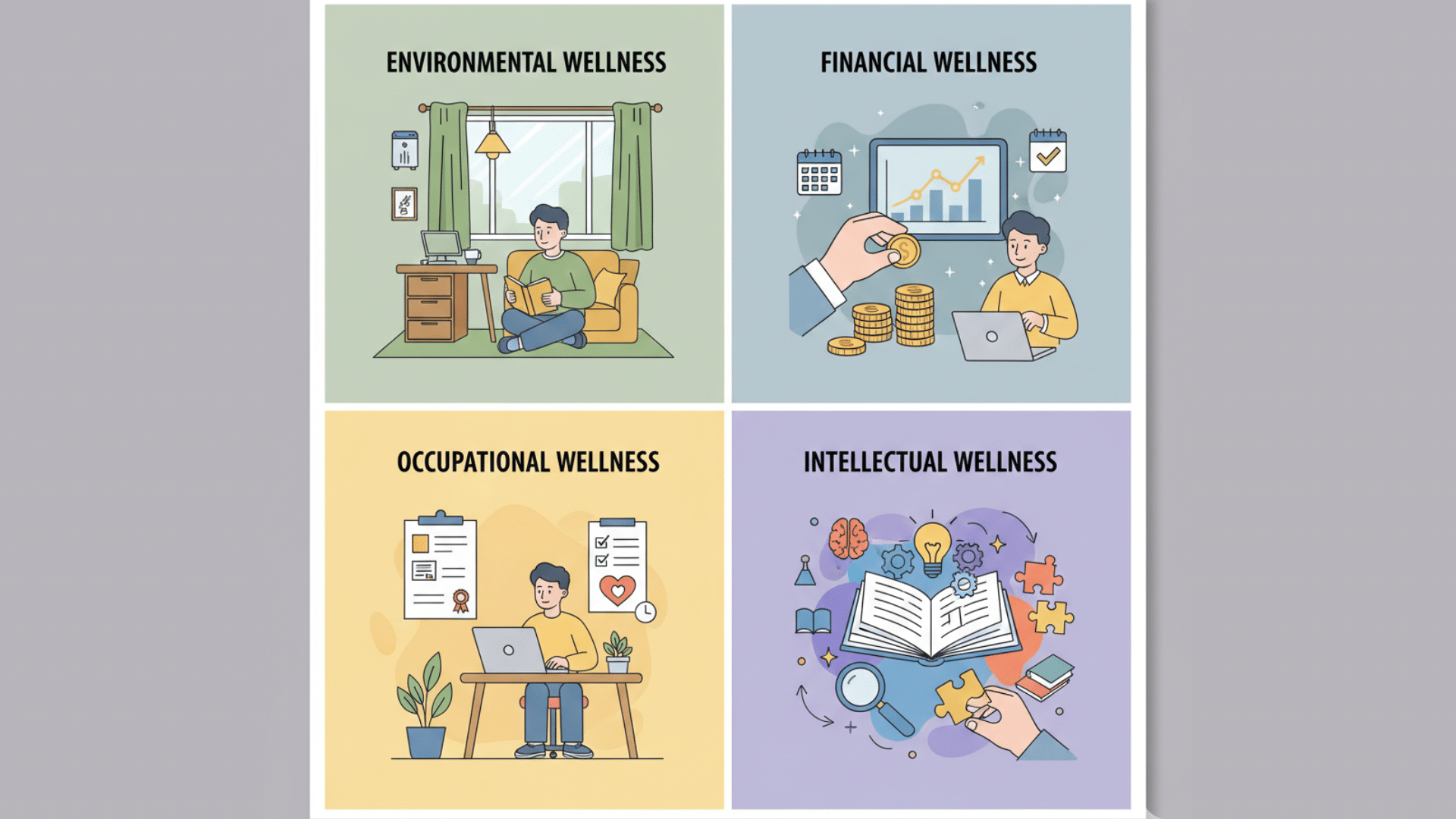
These wellness areas support daily balance and stability, yet many health blogs skip them or explain them only briefly.
Environmental Wellness
Environmental wellness focuses on the spaces around you and how they affect daily life. Clean, safe, organized spaces reduce mental pressure and physical strain.
Poor lighting, clutter, noise, or unsafe conditions can increase stress and reduce focus. Your surroundings influence sleep quality, breathing comfort, and movement habits.
A calm space supports better routines and steadier emotions. Simple actions like keeping areas clean, improving airflow, and creating quiet zones can support both physical comfort and mental calm during everyday activities.
Financial Wellness
Financial wellness means managing money, expenses, and basic resources steadily. When finances feel out of control, stress often rises quickly.
Ongoing money worries can affect sleep, focus, and emotional balance. This stress may also lead to physical symptoms like headaches or fatigue. Planning expenses, tracking spending, and setting limits can reduce pressure.
Financial stability helps you feel more secure and supports better decision-making. When you manage money concerns, your mental and emotional health often feels steadier throughout the day.
Occupational Wellness
Occupational wellness relates to how you feel about your role at work or school. Feeling useful and supported in your daily responsibilities improves motivation and focus.
Clear routines and reasonable expectations reduce stress and mental overload. When work feels overwhelming or unclear, emotional strain and fatigue can increase.
Having purpose in daily tasks helps support emotional balance and mental clarity. Occupational wellness also includes managing time and taking rest breaks. A stable routine supports energy levels and helps you stay focused without feeling drained.
Intellectual Wellness
Intellectual wellness involves learning, problem-solving, and mental growth. It supports brain function by keeping your mind active and flexible. Reading, practicing skills, or learning new topics helps improve memory and focus.
Without mental activity, attention may drop, and motivation can fade. Intellectual wellness also helps manage stress by shifting focus toward productive thinking.
Mental stimulation supports confidence and decision-making. Simple activities like puzzles, reading, or skill practice help keep the brain active and support overall daily wellness.
Summarize How the Components of Health are Related to Wellness
Each component of health influences the others, so wellness comes from supporting them together. Sleep, movement, and connection show how a change in one area often reaches the rest.
Sleep and mood: A poor night of sleep can make stress feel heavier the next day, and heavier stress can make the next night’s sleep worse.
Movement and mind: Regular movement supports your body, and it supports mental health as well.
Connection and habits: Time with people you trust lowers stress and often makes healthy habits easier to keep.
NIH’s wellness toolkits treat surroundings, feelings, body, relationships, and disease defense as linked areas, and its emotional wellness toolkit page adds that healthy eating, physical activity, and regular sleep can improve both physical and mental health. Because the effects run in both directions, you do not need to fix everything at once. One small habit in one area can lift several others
Health, Wellness and Fitness Compared
Health is your overall condition, wellness is the daily practice that supports it, and fitness is how well your body performs physical tasks.
Area | Health | Wellness | Fitness |
|---|---|---|---|
What it describes | Your current condition | The daily choices that support it | Your body’s ability to perform physical tasks |
Question it answers | How am I doing right now? | What am I doing to support it? | How well can my body move and perform? |
Example | Feeling rested, focused, and steady | A regular bedtime and a weekly call with a friend | Climbing stairs without getting winded |
Fitness supports wellness because it can make everyday tasks easier and support your energy, sleep, and focus. If you are reviewing this for a health class, this three-way comparison is a handy one to memorize.
Components of Physical Fitness Explained Simply
These fitness components focus on how your body moves and performs during daily activities and physical tasks.
Strength: Helps you lift, carry, push, and support objects during everyday tasks without tiring quickly.
Endurance: Helps your body stay active for longer periods while reducing early tiredness and breathlessness.
Flexibility: Supports easy movement by allowing joints and muscles to stretch without pain or stiffness.
Balance: Helps you stay steady while standing, walking, or changing positions, lowering the risk of falls.
Each fitness component supports physical health, which in turn improves energy, focus, and overall wellness.
Study Tools for Health and Fitness Basics
This section helps students and learners review key ideas using simple, easy-to-remember tools. Flashcards work well for quick study sessions and short reviews.
One set can compare health and wellness, showing how health reflects current condition while wellness reflects daily habits.
Another set can list health components with clear examples, such as physical health supporting energy or social health supporting stress control. Fitness flashcards can explain strength, endurance, flexibility, and balance with simple benefits.
A quick study guide also helps reinforce learning. Health refers to the overall condition. Wellness focuses on daily actions. Fitness relates to physical ability and movement.
Practice review questions help check understanding, such as how sleep affects emotions or how exercise supports mental focus during daily tasks.
Everyday Actions that Support Several Components at Once
Five everyday habits can support several health components at once, so small changes in sleep, movement, and connection often benefit your body, mind, and relationships.
Daily movement: Light exercise or walking helps improve energy, focus, and emotional control throughout the day. Adults need at least 150 minutes of moderate-intensity activity a week plus 2 days of muscle-strengthening activity, and you can split it into shorter sessions.
Sleep routines: Regular sleep times support mood, memory, and physical recovery. Most adults do best with 7 or more hours a night.
Talking with others: Sharing thoughts with trusted people helps lower stress and build emotional support.
Stress breaks: Short pauses during the day help calm the mind and reduce physical tension.
Healthy habits: Balanced meals, hydration, and routine care support steady daily function.
These are general targets for most adults. Children, older adults, and pregnant people or those managing a health condition may need different amounts, and needs can shift across life stages, so ask your doctor what fits you.
When to Talk to a Professional
Talk with a doctor or licensed mental health professional when stress, low mood, anxiety, or poor sleep keeps getting in the way of daily life.
Self-care habits help, but they don’t replace care for a medical or mental health condition, and you can still be well alongside a diagnosis.
A primary care provider can screen for mental health concerns and refer you to a specialist, and the NIMH guide to finding mental health help lists federal tools to help you find a provider near you, so you don’t have to start from scratch.
If you are in crisis or thinking about suicide in the US, call or text 988 to reach a trained counselor who offers free, confidential support around the clock. In a life-threatening situation, call 911 or go to the nearest emergency room
Conclusion
By now, you can see that health works best when all its parts support each other. Physical habits affect mood and focus. Thoughts and emotions influence daily energy.
Relationships and values help steady stress. When these areas stay connected, wellness feels more stable and manageable.
I find that small, steady habits matter more than trying to fix one area at a time. You can use simple actions from this post to support balance in daily life.
Taking time to summarize how the components of health are related to wellness helps turn ideas into real habits. If this breakdown helped you, take a moment to check out other blogs here for clearer, practical health topics.
Frequently Asked Questions
What Is Holistic Health?
Holistic health looks at the whole person, not just one symptom or body part. It considers the body, mind, relationships, and surroundings together, which is why it aligns closely with wellness and how each area affects the others.
Does Wellness Look the Same for Everyone?
No. Wellness means something different for each person and can look different across communities, depending on culture, circumstances, and resources. Your version should fit your own life, values, and health needs.
How Is Wellness Measured?
There is no single wellness test. CDC tracks health-related quality of life with survey questions about self-rated health and recent days of poor physical or mental health. You can use a simple self-rating to track your own
What Is a Wellness Wheel?
A wellness wheel is a visual tool that places the areas of wellness around a circle so you can rate each one. Uneven scores show where to focus first, and the ratings can change as your life changes.