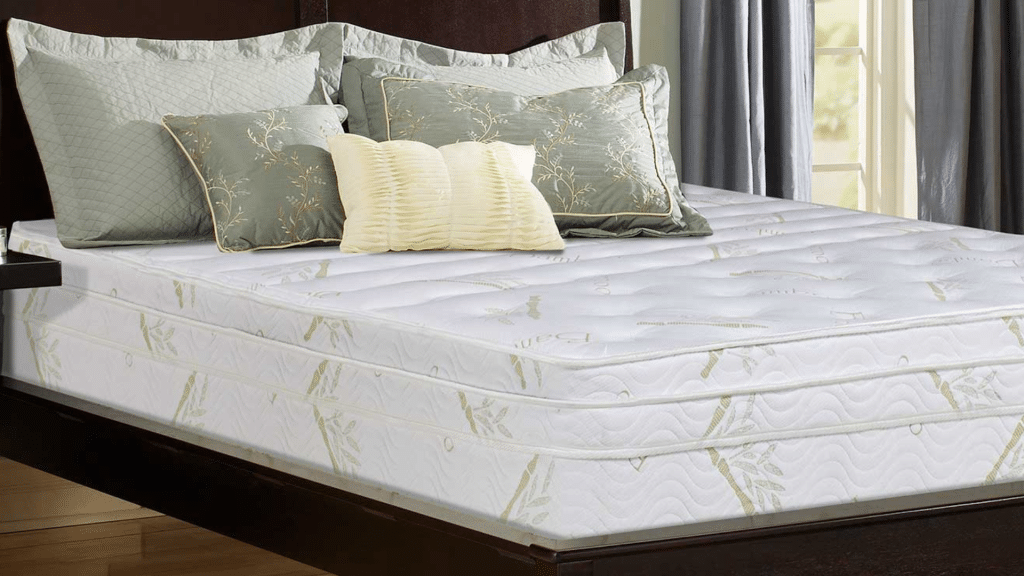

I remember the first time I tried to figure out why my bed felt too high. I kept switching sheets and moving the frame before realizing the real issue was the mattress itself.
If you are sorting through different options, standard mattress height can feel confusing because every brand promotes a different number. You might just want something that feels steady, fits your room, and works with your frame.
I’m here to make this simple by breaking down the common heights and what they mean for comfort, support, and daily use.
Once you understand the basic ranges, you can choose a setup that feels right for your body and your space. Next, I’ll break down the common height ranges.
Standard Mattress Heights Explained
When you look at mattress sizes, the most common height range is between eight and twelve inches. This height works well for most sleepers because it offers steady support without feeling too low or too bulky.
You may also see mattresses that reach fourteen, sixteen, or even eighteen inches, especially in modern foam and hybrid designs. These thicker builds can feel softer and deeper, but they may sit higher than some people prefer.
Mattress height also changes based on the materials inside. Foam models may stay on the thinner side, while hybrid and spring models can sit closer to the upper end. Knowing these ranges helps you compare options with confidence.
| Thickness Type | Common Height | Best For | Main Downside |
|---|---|---|---|
| Slim | 8–10 in | Kids, bunk beds, guest rooms | Can feel firm with less cushion |
| Standard | 10–12 in | Most adults, most frames | May not feel plush for some side sleepers |
| Thick | 12–14 in | Side sleepers, heavier sleepers | Can sit higher with some frames |
| Extra Thick | 14–18+ in | People who like a deep cushion | It can be hard to get in and out of |
Mattress Thickness Comparisons for Buyers

Mattress thickness changes how the bed feels, how high it sits, and how easy it is to use each day. Each thickness level feels different, so it helps to compare them before you buy.
Comfort and Support Differences
Slim mattresses between eight and ten inches offer a firmer feel with light padding. They work well for kids, teens, and guest rooms. Standard options between ten and twelve inches give a steady mix of comfort and support for most adults.
Thick designs between twelve and fourteen inches feel deeper and cushion more body weight. Extra-thick builds above fourteen inches feel soft and full, but they sit higher and may be harder to climb for some users.
What Thickness Works Best For
Different heights suit different needs, so choose a thickness that matches your age, comfort level, and the way you sleep.
- Kids: Lower height for easy climbing and safer use
- Adults: Standard height for steady daily comfort
- Seniors: Mid-height to make sitting and standing easier
- Side/back/stomach sleepers: Thickness depends on how much cushion and support you need
- Heavy vs light sleepers: Thicker often suits heavier sleepers, while thinner can suit lighter sleepers
Performance Differences by Thickness
Each height changes how the mattress feels and how well it holds up over time, so compare these points before choosing.
- Heat: Thicker builds hold more warmth
- Firmness feel: slim builds feel firmer than deep builds
- Durability: Thicker layers may last longer
- Motion control: deeper padding reduces movement transfer
How Mattress Height Affects Total Bed Height
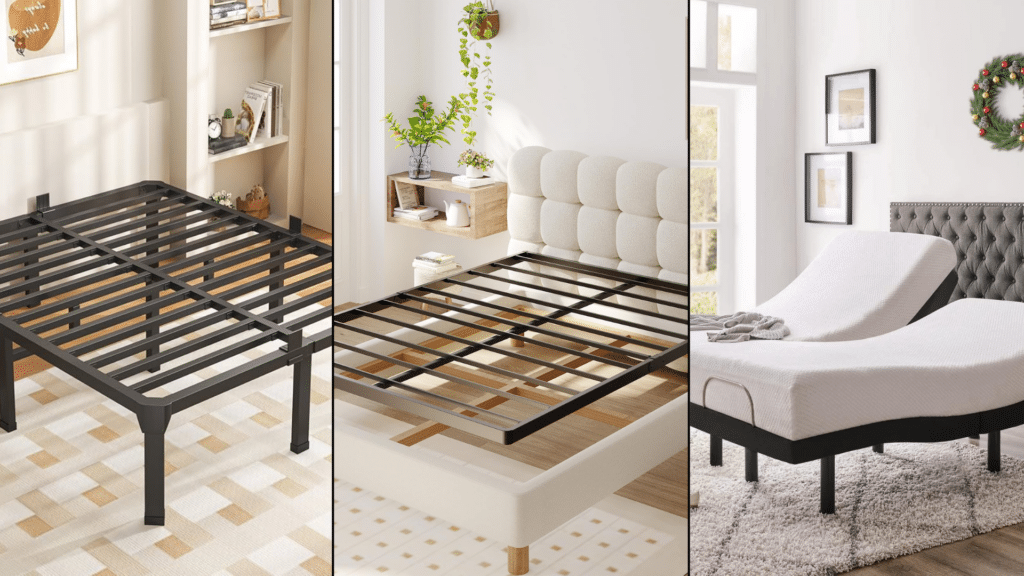
Your mattress is only one part of your full bed height. The frame or base under it can raise the total height far more than many expect.
Platform Frames: Platform frames sit close to the floor and add steady support without lifting the bed too high. They help keep the total height controlled for most room setups.
Box Springs: Box springs add more lift than platform frames and raise the bed height quickly. They suit people who want an easier standing and a taller overall sleeping surface.
Adjustable Bases: Adjustable bases sit higher than basic frames and add movement features. They raise total height while giving head and foot lift for comfort and daily support needs.
How to Test the Right Bed Height for Your Body?
Checking the right bed height helps you stand safely and sit with steady support. These simple tests show if your setup fits your body.
The Sitting Test
Sit on the edge of your bed with your feet directly on the floor. Your knees should form a clean, level line without rising too high or dropping too low. If your knees sit higher than your hips, the bed is too low.
If your feet barely reach the floor, it is too high. This test shows how easily you can sit, stand, and move each day. Many people rely on this guide because it gives quick, dependable feedback.
Knee-Pit Alignment Method
Stand beside your bed and check where the top of the mattress meets your leg. The ideal height lines up with the crease behind your knee. When the mattress top reaches this point, sitting and standing feel steady and smooth.
If the bed rises well above that crease, it may feel too tall. If it falls far below, it may feel too low. This method works well for adults of all heights and gives a simple way to judge comfort.
Simple Measuring Guide
Use a tape measure to check the height from the floor to the top of your mattress. Write this number down so you can compare it to your comfort level. Then measure from the floor to the crease behind your knee.
When both numbers match closely, your bed height is usually a good fit. If the mattress height is far above or below your knee level, adjust your frame or mattress. This guide gives quick clarity when choosing the right setup.
Best Heights for Different Users
Different people need different bed heights for daily comfort. The right setup depends on age, body needs, and how easily you move each day.
Seniors
Many seniors do best with a bed height that makes sitting and standing feel easy. A mid-height setup often works best. Beds that sit too low can strain hips and knees.
Beds that sit too high can make footing less stable. The goal is a height that lets you sit with feet flat on the floor.
Kids and Teens
Kids and teens do best with a lower setup that offers safe climbing and easy access. A height that stays close to knee level keeps the bed steady for daily use. Younger children benefit from even lower setups to limit the chance of falling.
Teens may prefer a little extra height as they grow, but they still need a level that allows a stable footing. Keeping the bed close to the floor also helps with neat room layouts and simple cleaning.
Mobility Limits
If movement feels hard, bed height matters a lot. A mid-height setup can reduce strain when sitting down or standing up. Very low beds can be hard to rise from.
Very high beds can make stepping down feel unsafe. Choose a height that supports stable footing and smooth movement.”
Short, Average, and Tall Sleepers
Body height plays a major role in choosing the right bed height. Short sleepers need a setup close to the knee level so they can plant their feet firmly. Average-height sleepers often feel comfortable with a mid-height frame and mattress.
Tall sleepers benefit from a slightly higher setup that reduces bending when sitting. Matching the bed height to your leg length helps prevent strain and makes movement steady. This simple guide helps you find a setup that fits your body well.
Sleeping Positions
Your sleeping style affects how the mattress height feels each night. Side sleepers may prefer slightly thicker builds that give more cushion for shoulders and hips. Back sleepers often feel steady with mid-height options that keep the spine level.
Stomach sleepers do best with thinner builds that limit sink. These comfort needs shape how high the mattress feels when you climb into bed. Mixing your position with a height that supports your body shape leads to better daily comfort.
Bedding Fit and Compatibility
Your mattress height changes how well your sheets, skirts, and storage items fit. This table gives a quick guide for basic sizing needs.
| Item | What to Check | Why It Matters |
|---|---|---|
| Sheet Depth | Match sheet depth to mattress height | Prevents slipping and keeps corners secure |
| Bed Skirt Length | Measure from the frame top to the floor | Helps avoid gaps or bunching on the sides |
| Storage Bin Clearance | Check the space under the frame | Ensures bins slide in and out without problems |
| Mattress Top Height | Compare to leg height | Helps maintain safe and steady movement each day |
Using the right bedding sizes keeps everything secure and neat. These simple checks help you avoid fit issues with daily use.
Before you buy sheets, measure your mattress height from top seam to bottom seam. Match that number to the sheet pocket depth. Thicker mattresses often need deep-pocket sheets to stop corner slipping.
Mattress Thickness and Room Design
Your mattress height shapes how your room feels and functions. The right setup depends on comfort needs, room size, and how much space you have.
High Beds

High beds create more space under the frame, which helps if you store items in bins or baskets. They also help taller people sit and stand with less effort. Some sleepers enjoy the raised feeling and the steady support that comes with thicker builds.
Still, high beds can feel harder to climb for short users. They may also limit wall décor placement and make rooms with low ceilings feel tighter. A careful balance helps you get the height that feels right.
Low Beds

Low beds sit close to the floor and often feel easier for short users, kids, or anyone who wants simple access. They help small rooms feel open by keeping the sleeping area closer to the ground.
Low beds also reduce the risk of injury if someone rolls off the side. However, they may offer less storage space underneath. This setup works well for modern spaces, tight layouts, or rooms where you want clean lines without extra height.
Apartment and Small Room Tips
Small spaces feel better with a setup that stays low and simple. These points help you manage comfort, room flow, and daily movement.
- Use a lower frame to keep the bed from taking too much space
- Pick a thinner mattress to avoid extra bulk in tight rooms
- Place the bed against one wall to open a clear walking path
- Choose simple bedding to keep the layout neat and easy to manage
- Use shallow storage bins if the frame allows light clearance
- Match bed height to room limits for easier movement each day
Conclusion
Now that you’ve seen the main height ranges and how they affect comfort, movement, and room layout, you have what you need to choose a setup that fits your body and your space.
The idea behind standard mattress height becomes much clearer once you compare the common thickness levels and match them to your frame.
If one tip stands out, it’s this: measure your current setup before you buy anything new. This simple step saves time, money, and frustration.
I hope this helps you feel more confident as you build a bed that works for your daily routine. If you want clearer, practical home guides, check out my other blogs and see what you want to read next.