



Two out of three Americans walk into surgery already low on the nutrients their body needs to repair itself. That’s not a scare tactic. It’s a baseline that shows up again and again in surgical nutrition research, and it means the weeks before and after your procedure may matter as much as the procedure itself.
A Mommy Makeover combines several procedures into one session, so your body is healing multiple incision sites at the same time.
If you’re planning this surgery, or you’re already in recovery and wondering why some days feel harder than others, the short answer is this: scar outcomes and recovery speed depend heavily on what you give your body to work with.
Below, you’ll find how combined procedures change the healing picture, the nutrients that do the heavy lifting, what to avoid, and a practical plan you can start this week.
Why Multiple Incision Sites Change the Recovery Picture
A Mommy Makeover usually pairs two or more procedures in a single session. That’s often some mix of a tummy tuck, breast augmentation, breast lift, or liposuction. Each one brings its own incisions, and your body has to heal them all in parallel rather than one at a time.
Longer time under anesthesia tends to mean more initial swelling and inflammation, which is normal but adds up. More importantly, your body draws on the same pool of nutrients to close every wound, so a system that’s already running low gets stretched thinner.
Your surgeon will walk you through what to expect for each site, and it’s worth asking specific questions about how combined healing might change your timeline.
I’d push back on the idea that more incisions automatically means worse scars. Plenty of people heal beautifully from combined procedures. The point is that the margin for error gets smaller, and nutrition is one of the few variables you actually control.
What to Eat Before Surgery to Support Healing
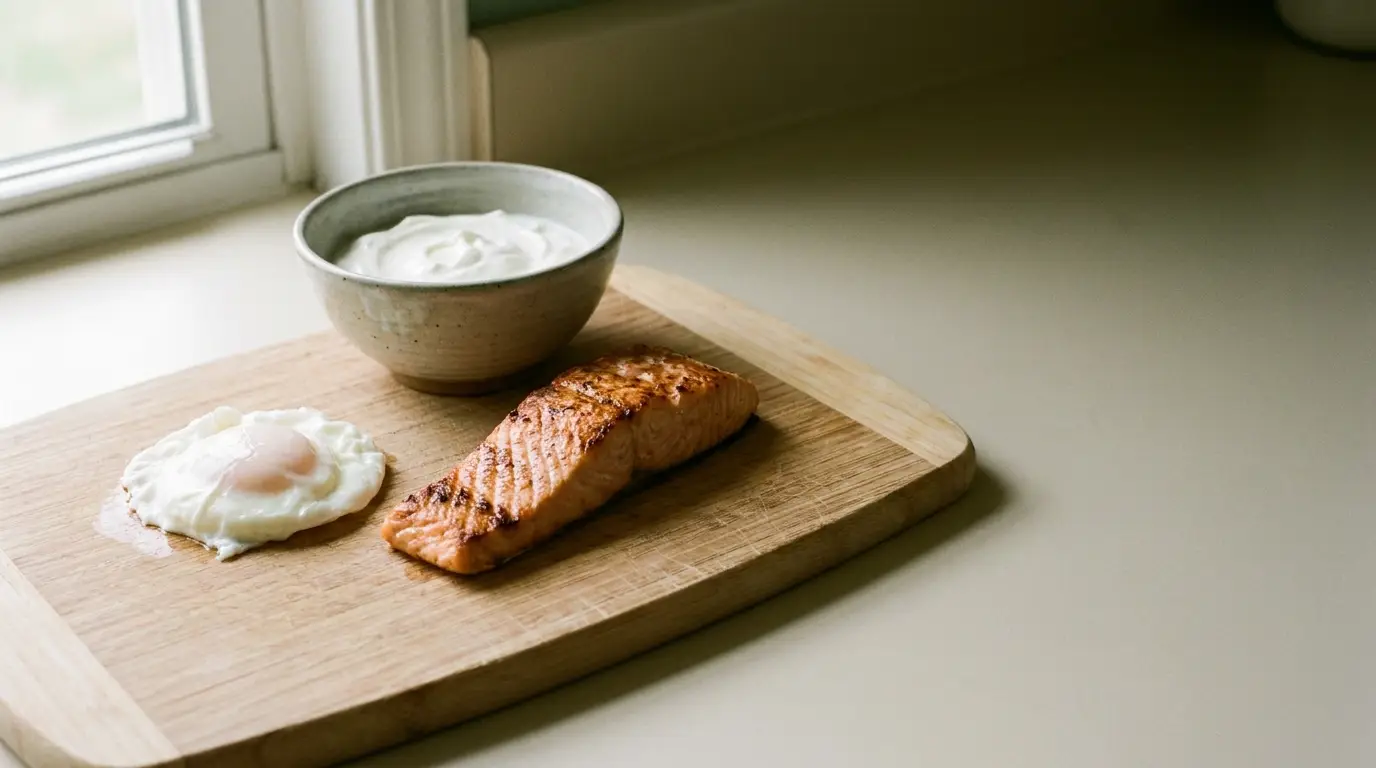
This is the part most people skip, and I think it’s the biggest missed opportunity in the whole process. Your nutritional status going into surgery shapes how your body handles the stress of the procedure and how quickly it can rebuild tissue afterward.
Protein sits at the top of the list. It gives your body the raw material for collagen, the scaffolding underneath every scar. Aim for a solid protein source at each meal, whether that’s eggs, chicken, fish, Greek yogurt, or beans.
If you eat mostly plant-based, this is the moment to get intentional about it rather than assuming you’re covered.
Micronutrients matter just as much, and this is where most people fall short without realizing it. According to the Office of Dietary Supplements, a large share of adults don’t meet recommended intakes of key vitamins and minerals through food alone, which is exactly why some surgeons recommend targeted support before and after a procedure.
The Nutrients That Do the Heavy Lifting
When you look at wound healing nutrition, a handful of ingredients come up over and over. Here’s what each one actually does, in plain language:
- Iron: carries oxygen to healing tissue and keeps your energy up when you’re exhausted
- Arginine: supports blood flow and tissue repair at the incision site
- Copper: helps your body form collagen and produce red blood cells
- Citrulline: improves circulation, which matters when swelling is slow to fade
- Glutamine: feeds your immune response during a demanding recovery
- Prebiotics: keep your gut and immune system steady, especially if antibiotics are involved
- Protein enzymes: help you break down and absorb the protein you’re eating
You can chase these one at a time through food, or you can look for a formula built around surgical recovery specifically.
Some products, like those built for healing after a procedure, combine these in one place rather than making you piece it together. A product like Mommy Makeover Scars recovery support is one example of that kind of targeted approach.
What to Avoid Before Your Procedure
Knowing what to cut back on can matter as much as knowing what to add. Some of the most common culprits are things you’d never suspect.
Fish oil tops the list. It thins your blood, which is the opposite of what you want going into surgery. Many herbal supplements carry the same risk, including ginkgo biloba, ginseng, echinacea, and valerian. If you take anything in a capsule, hand the bottle to your surgeon and let them weigh in rather than guessing.
Nightshades, meaning potatoes, tomatoes, and eggplants, are worth flagging too. They’re not dangerous, but some patients find they contribute to inflammation during healing.
According to the National Institutes of Health, dietary supplements aren’t reviewed for safety and effectiveness the way medications are, and they can interact with drugs or affect bleeding.
That’s a good reason to treat every bottle, even the natural ones, as something your surgical team needs to know about. No supplement, herbal or otherwise, should be started or stopped without their sign-off.
A Simple Pre and Post-Op Nutrition Checklist
Here’s what I’d actually do if I were preparing for a combined procedure. It’s not complicated, but it does require you to be consistent.
- Eat protein at every meal, starting now, not the week of surgery.
- Write down every supplement, tea, and powder you take and review the list with your surgeon at your pre-op appointment.
- Ask specifically about a wound healing supplement built for surgical recovery, rather than a generic multivitamin.
- Sleep like it’s part of your treatment plan. Recovery happens mostly at night, and poor sleep slows everything down.
- Walk gently once your surgeon clears you. Light movement supports circulation, which helps incisions heal.
- Keep the incisions clean, moisturized per your surgeon’s instructions, and out of direct sun for the first year.
Fading takes months, not weeks. Scars that look angry at six weeks often soften and lighten dramatically by month six, and any scar can keep improving for a year or more. The Centers for Disease Control and Prevention notes that wound healing follows a predictable sequence of stages, which is why comparing your scar today to someone else’s at a year out is a losing game. Patience is genuinely part of the treatment.
Where Supplements Actually Fit In
I’ll be honest about my bias here: I think nutrition gets treated like an afterthought in cosmetic surgery, when it should be part of the prep from day one. Most people spend weeks researching surgeons and barely ten minutes thinking about what they’ll eat during recovery.
A targeted supplement can close gaps that food alone struggles to fill, especially in those first rough weeks when your appetite is low and cooking feels impossible. But it only works as a complement to real meals, not a replacement for them, and it should always run past your surgeon first.
Your body is doing real construction work. Give it the materials, and you’re giving your scars the best possible shot at fading quietly into the background.