


A stressful evening often starts before the workday officially ends. Unfinished messages, half-written documents, scattered browser tabs, and “one last task” can keep work running well past the time you meant to stop.
Smarter digital work habits are not about squeezing more into every hour. They are about reducing avoidable friction during the day, so fewer loose ends follow you into dinner, family time, or the hour before bed.
Build Smarter Digital Work Habits Around Attention
Constant task-switching can make a normal workload feel larger than it is. A better approach is to decide what deserves focused attention and what can wait, rather than responding to every notification as it arrives.
Give Important Work a Protected Block
Choose one meaningful task, close unrelated tabs, silence nonessential alerts, and work on that task for a defined period.
A structured timer method such as pomodoro can be useful for people who struggle to begin or stay with one task because it creates a clear start, stopping point, and break.
The timer itself is not the goal. The useful habit is deciding in advance what you will work on and protecting that time from low-value interruptions.
Short focus periods can also make larger assignments feel more manageable. Instead of thinking about finishing an entire report, for example, you can spend one focused period completing the outline and another checking the first section.
Reduce Rework Before It Reaches the End of the Day
Small errors become stressful when they are found late in the afternoon. A rushed message needs rewriting, a file has the wrong version, or a document still needs basic cleanup before it can be sent.
Use a Short Quality Check Before Calling Work Finished
For writing-heavy tasks, check the final draft in a fixed order:
- Is the main point clear in the first few lines?
- Are names, dates, figures, and references correct?
- Has repeated or awkward wording been removed?
- Is the file named and saved where others expect it?
- Does the next person know what action is required?
If AI-assisted drafting is part of your workflow, an AI humanizer may help rework stiff or repetitive wording during the editing stage. It should still be followed by human review for meaning, accuracy, tone, and factual claims.
A short review earlier in the day is usually more manageable than reopening the same task after you thought it was complete.
Create a Clear Digital Closing Routine
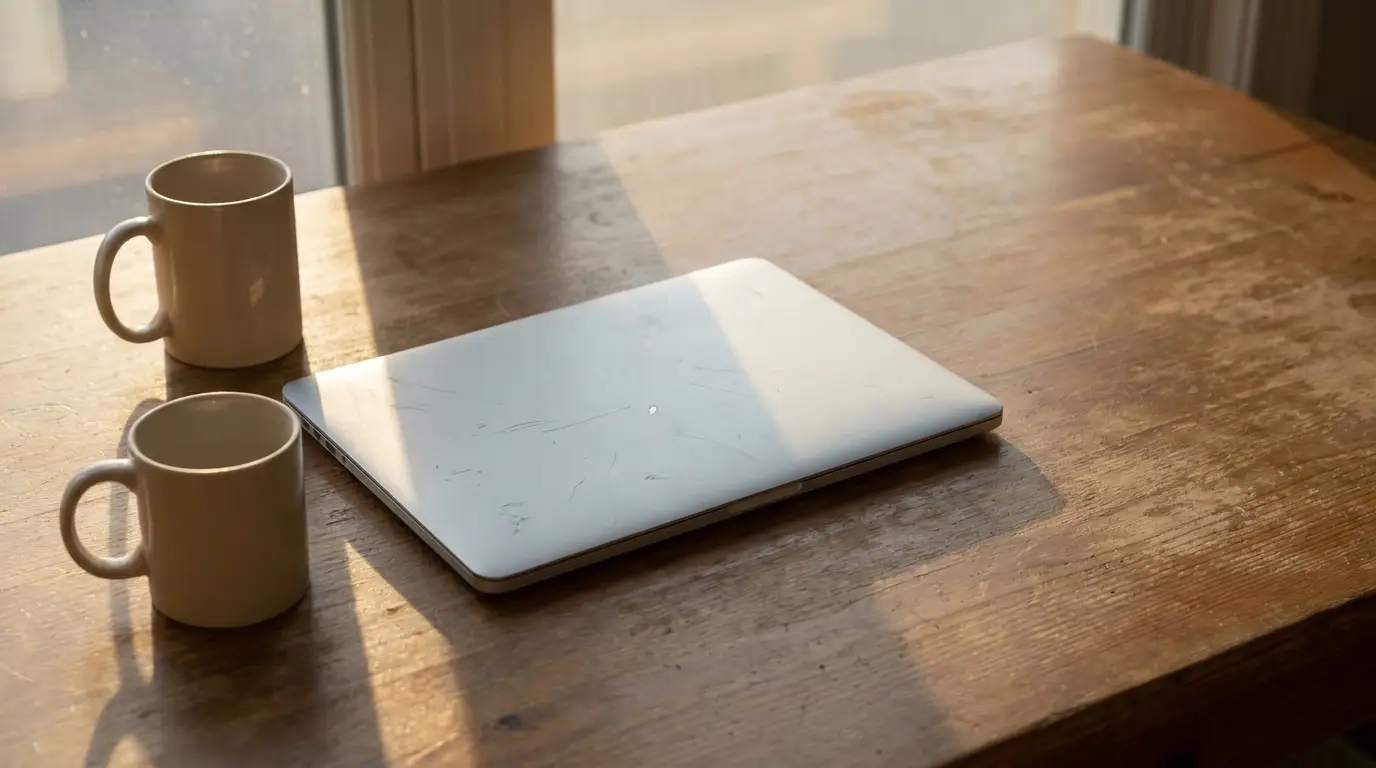
Stopping work can feel difficult when there is no obvious ending. Instead of relying on motivation, create a short shutdown routine that tells you what has been handled and what belongs to tomorrow.
Close the Day in Three Steps
- Capture unfinished tasks in one place rather than keeping them in your head.
- Pick the first important task for the next work period.
- Close work apps, mute nonurgent notifications, and leave the workspace.
This matters especially when working from home, where the same room or device may be used for both professional and personal activities.
The routine does not need to be long. Its job is simply to reduce the feeling that you might be forgetting something important.
Make Your Evening Less Digitally Demanding
A calmer evening is easier when work does not keep asking for tiny decisions. If your phone continues showing email previews, chat alerts, calendar updates, and task reminders, part of your attention can remain tied to work.
Decide What Truly Needs to Reach You After Hours
Separate urgent communication from routine communication. That might mean allowing calls from a small group while muting project chats and email until the next morning.
You can also create a simple rule for yourself: if something does not require action before the next workday, it does not need your attention tonight.
This approach is especially useful for people who work remotely or have flexible schedules, because digital work can otherwise stretch into personal time without a clear boundary.
Conclusion
Less stressful evenings usually do not begin with a complicated nighttime routine. They begin with a workday that has fewer interruptions, less rework, clearer priorities, and a definite stopping point.
Smarter digital work habits help create that separation. When tasks have a place, notifications have limits, and tomorrow’s work is already captured, there is less reason for today’s work to keep following you around after hours.