Waking up with a dry mouth, scratchy throat, or noisy snoring can leave you searching for simple ways to sleep better. That is where mouth taping comes in.
The trend involves placing a small strip of tape over the lips at bedtime to encourage nasal breathing. But what does mouth tape do once you fall asleep, and can it really help with snoring or sleep comfort?
The answer is not as simple as social media posts may suggest. Some people may notice less mouth breathing or dryness, while others may experience discomfort or breathing concerns.
Knowing the benefits, limits, and safety risks matters before trying it.
What is Mouth Taping and How Does It Work?
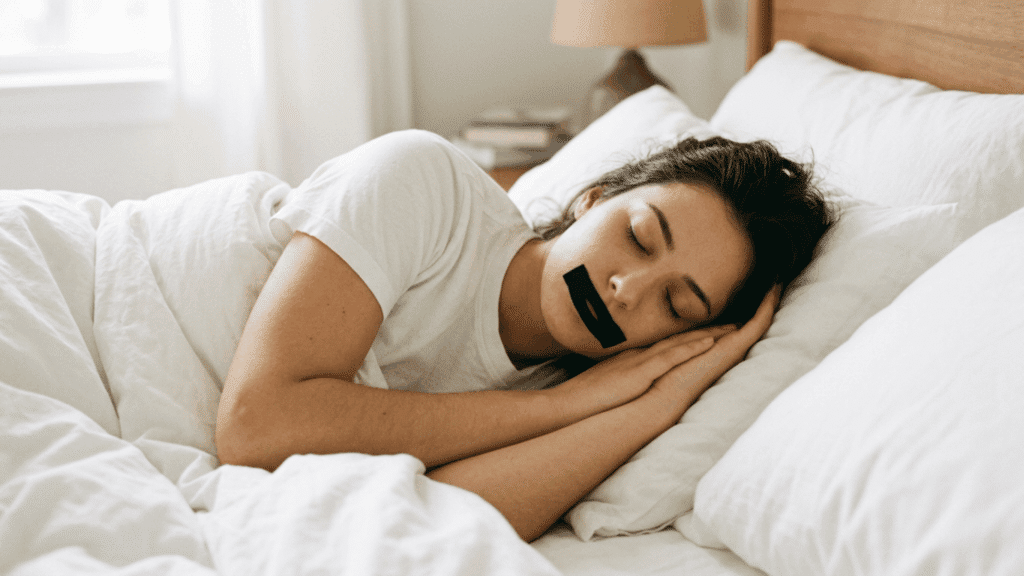
Mouth taping involves placing tape marketed for facial skin over the lips before sleeping to discourage the mouth from opening overnight. The tape acts as a physical reminder to keep the lips together while you sleep.
When both nasal passages remain comfortably clear, this may encourage airflow through the nose.
Factors like bedroom air quality also shape how clear that breathing feels, though mouth tape itself does not widen the nostrils, relieve congestion, or correct structural airflow problems.
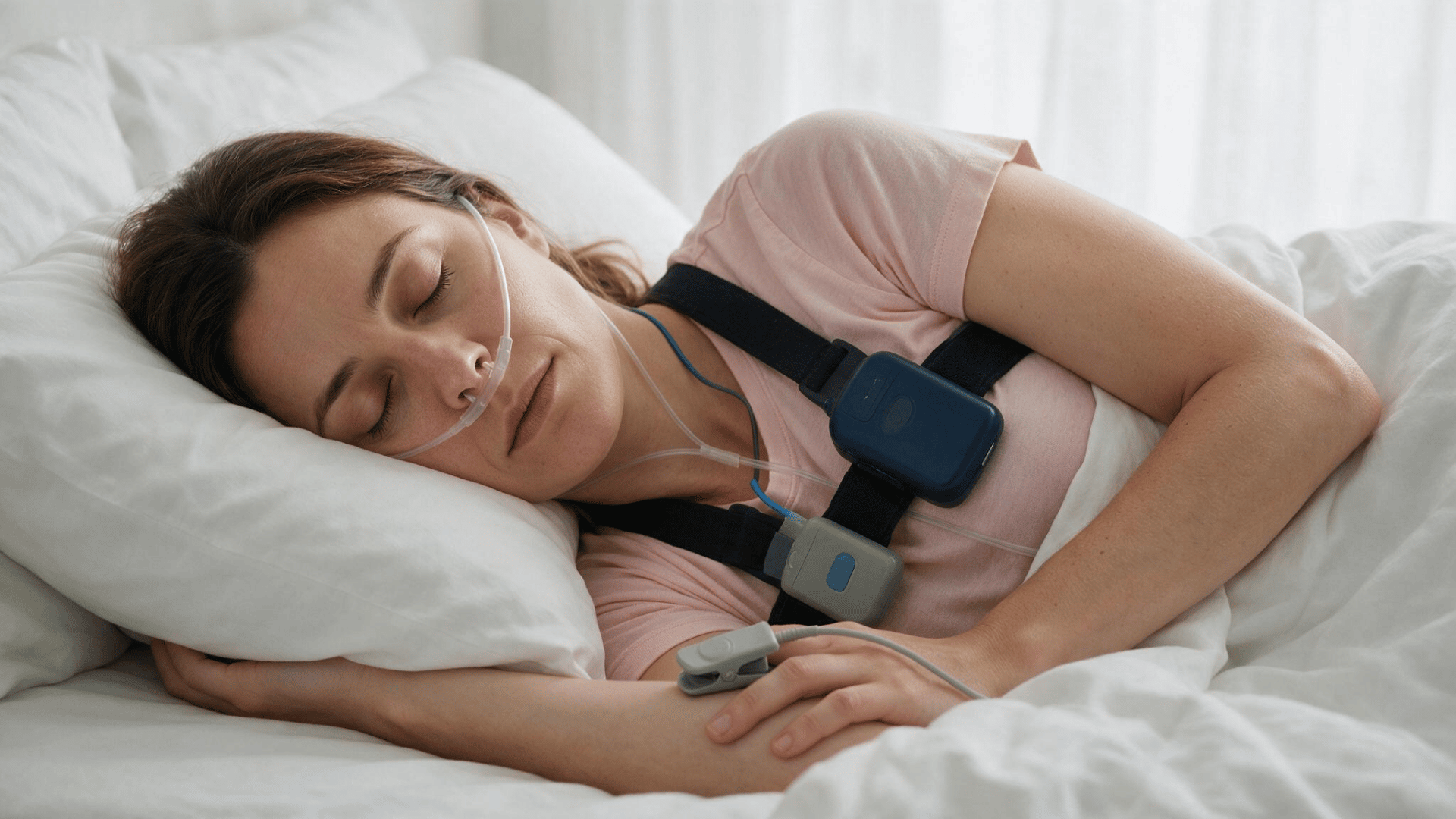
It also cannot control breathing when nasal airflow becomes restricted during sleep or address underlying causes such as congestion or structural problems. Persistent snoring, gasping, breathing pauses, fatigue, or regular mouth breathing warrants a professional sleep assessment.
Mouth tape does not strengthen or improve the nasal airway itself. It simply discourages the lips from opening, so any potential benefit depends on comfortable, unobstructed nasal breathing throughout the night.
What Should Someone Consider Before Trying Mouth Tape?
Several safety checks, plus picking accessories like awell-fitted sleep mask with the same care, can help identify breathing concerns, unsuitable adhesives, and uncomfortable reactions before trying mouth tape
- Check Nasal Airflow: Nasal breathing should stay clear and comfortable throughout the day before considering mouth tape.
- Discuss Regular Snoring: Talk to a healthcare professional about frequent or loud snoring to rule out sleep apnea or airway problems.
- Avoid Household Tape: Duct tape, packing tape, and strong adhesive strips can irritate sensitive facial skin and damage the lips.
- Review Product Materials: Even sleep-marketed products can cause redness, allergic reactions, anxiety, restricted breathing, or disrupted rest.
- Stop After Discomfort: Remove the tape immediately if breathing becomes difficult, congestion develops, skin becomes irritated, or sleep quality worsens.
Benefits of Mouth Tape for Sleep
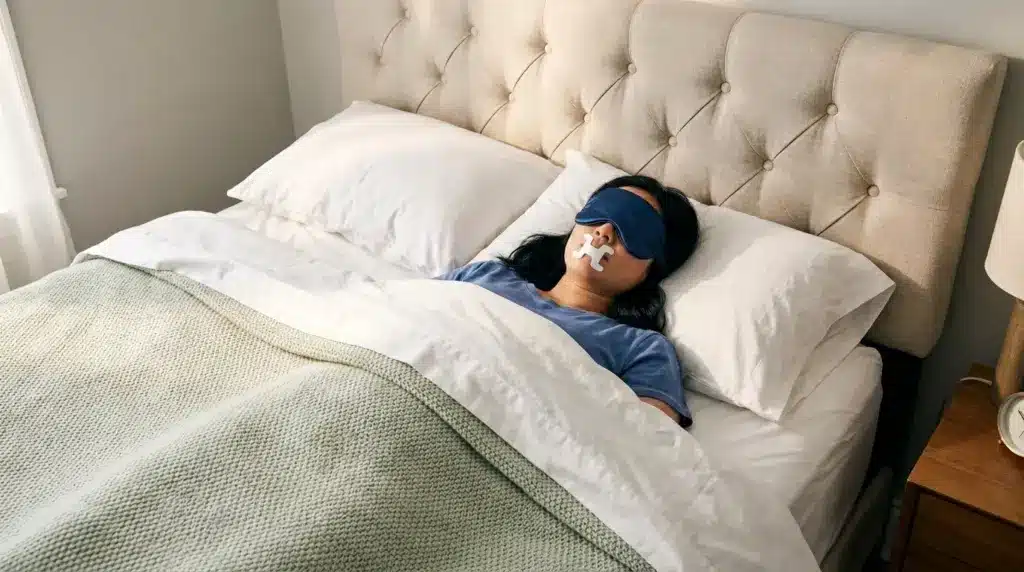
Mouth tape is associated with several claimed nighttime benefits, although current research remains limited and individual results depend heavily on unrestricted nasal airflow.
1. Redirects Nighttime Breathing Through the Nose
Mouth tape keeps the lips together, discouraging habitual mouth breathing when nasal passages remain comfortably open throughout the night.
Redirecting airflow through the nose lets inhaled air be naturally filtered, warmed, and humidified before it reaches the lungs.
Some sleepers may experience less throat dryness or fewer awakenings from open-mouth sleeping, although research has not confirmed consistent sleep improvements across broader populations.
2. Quiet Snoring Linked to an Open Mouth
Open-mouth sleeping can increase airflow turbulence around relaxed tissues, creating vibrations that produce familiar snoring sounds during the night.
Keeping the lips closed can reduce snoring when mouth breathing is the primary cause and both nasal passages remain completely clear.
This benefit does not apply to every sleeper because snoring can also result from nasal obstruction, airway narrowing, sleep position, or obstructive sleep apnea that requires medical assessment and treatment.
3. Reduces Dry Mouth and Supports Oral Comfort
Breathing through the mouth allows moisture to escape, sometimes leaving the lips, tongue, throat, and surrounding tissues dry after waking.
Keeping the mouth closed can preserve natural moisture when morning dryness results specifically from open-mouth breathing during sleep.
Medications and certain health conditions can also cause dry mouth, while mouth tape has not been shown to prevent cavities, gum disease, or persistent bad breath without addressing the underlying cause.
Does Mouth Taping Really Work?
Research has not established mouth taping as a reliable way to improve sleep, stop snoring, or treat sleep-related breathing disorders.
A 2025 systematic review examined ten studies involving 213 participants and found limited evidence supporting its effectiveness across different populations.
Some small studies reported modest improvements among selected participants with mild obstructive sleep apnea, but narrow samples and inconsistent methods prevent broader conclusions.
Current evidence does not show that mouth tape increases oxygen levels, improves overall health, prevents dental problems, changes facial structure, or replaces established medical treatment.
Potential Risks of Mouth Taping
Mouth taping can cause several physical and sleep-related problems, including a serious risk of asphyxiation when nasal airflow is restricted, or an underlying breathing disorder hasn’t been properly diagnosed.
Risk | Possible Effect |
|---|---|
Anxiety or Panic | Having the mouth covered can trigger distress or claustrophobia |
Interrupted Sleep | Discomfort or worry may cause repeated awakenings and lighter rest |
Masked Warning Signs | Quieter snoring may create false reassurance while breathing interruptions continue |
Difficulty Communicating | Tape can make it harder to call for help immediately after waking |
Trouble During Nausea | Covering the mouth may complicate a quick response to vomiting or reflux |
Dependence on an Unproven Habit | Regular use may delay medical assessment for persistent snoring, fatigue or mouth breathing |
These risks compound for anyone already managing nighttime acid reflux, since covering the mouth removes a quick, comfortable way to respond if symptoms flare overnight
Who Should Avoid Sleeping with Mouth Tape?
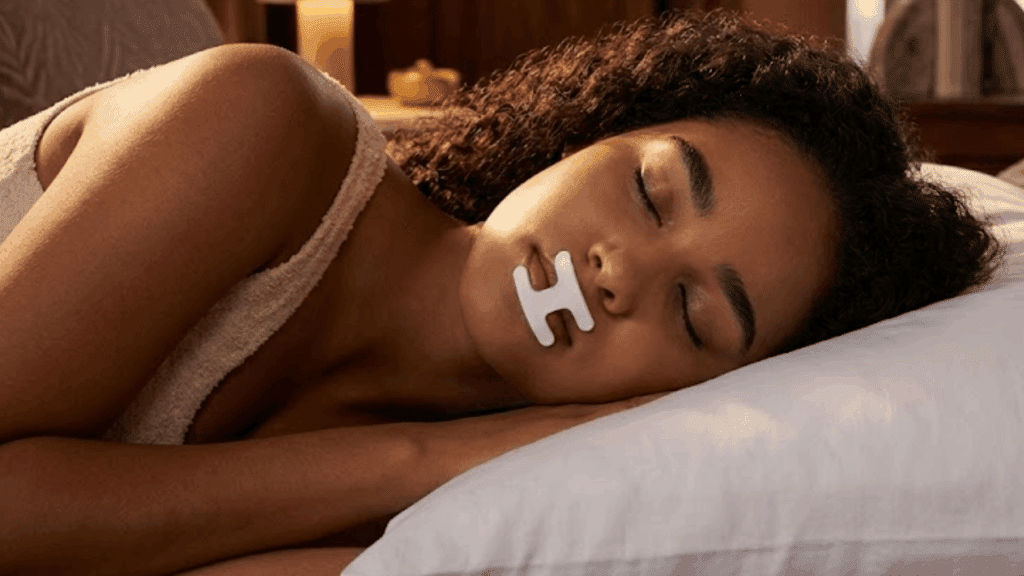
Mouth tape is unsuitable for several groups because restricted nasal airflow, reduced awareness, or an existing sleep disorder can unexpectedly create serious nighttime breathing risks.
1. People with Sleep Apnea: Anyone with diagnosed or suspected sleep apnea should avoid mouth tape unless a qualified sleep specialist specifically recommends it.
2. People with Nasal Blockages: Congestion, allergies, sinus problems, nasal polyps, enlarged tonsils, or a deviated septum can restrict normal airflow.
3. Children: Children should not use mouth tape without direct instructions and supervision from a qualified pediatric healthcare professional.
4. People With Limited Awareness: Sedatives or heavy alcohol consumption can reduce someone’s ability to notice breathing trouble or remove tape quickly.
5. People With Warning Signs: Choking, gasping, breathing pauses, loud snoring, or daytime fatigue require medical assessment. The National Heart, Lung, and Blood Institute lists these as possible sleep apnea symptoms.
Can Mouth Tape Treat Snoring or Sleep Apnea?
Mouth tape is not an established treatment for obstructive sleep apnea, which involves repeated narrowing or closure of the upper airway. It may make snoring quieter in some open-mouth sleepers.
However, quieter snoring does not mean breathing interruptions have stopped. People with sleep apnea may need treatments such as continuous positive airway pressure or clinician-prescribed oral appliances.
Lifestyle changes or procedures may also be recommended when they address contributing factors or structural problems. The appropriate treatment depends on the underlying cause and severity of the condition.
A medical assessment can help identify why you are snoring and whether sleep apnea or another breathing problem is involved. Restricting mouth movement does not treat the underlying cause.
Safer Alternatives to Mouth Taping
Several safer options can address mouth breathing, snoring, congestion, or dryness without covering the lips, although the choice depends on what causes the original symptom.
- Nasal Strips: Nasal strips can gently widen the nostrils and support airflow when mild external narrowing contributes to uncomfortable nasal breathing.
- Saline Products: Saline sprays or rinses can loosen mucus and reduce nasal dryness without restricting breathing through the mouth.
- Side Sleeping: Sleeping on one side can reduce position-related snoring by limiting backward movement of the tongue and surrounding tissues.
- Bedroom Humidifier: A properly cleaned humidifier can add moisture to dry bedroom air and ease morning nasal or throat discomfort.
- Professional Treatment: Persistent symptoms can require allergy care, a fitted oral appliance, CPAP therapy or treatment for an identified nasal obstruction.
Disclaimer: This article provides general information only and does not replace medical advice, diagnosis or treatment from a qualified healthcare professional familiar with individual needs and circumstances.
Wrapping Up
Mouth tape mainly discourages the lips from opening during sleep, which may support nasal breathing for some adults with clear nasal passages.
However, it is not a treatment for snoring or sleep apnea, and it can cause discomfort, irritation, or breathing concerns for some people.
Understanding what mouth tape does also means knowing what it cannot do and when persistent nighttime symptoms need professional attention.
If you are considering mouth tape, focus first on comfortable nasal breathing and the reason behind your symptoms rather than simply covering your mouth.
Have you tried mouth taping or considered it for better sleep? Share your experience in the comments below.
Frequently Asked Questions
Can Mouth Tape be Used with Facial Hair?
Adhesive may not hold evenly over facial hair and can pull hairs during removal, causing discomfort, irritation or an unreliable seal.
Why Does Mouth Tape Fall off During Sleep?
Moisture, facial oils, movement, weak adhesive, or poorly prepared skin can keep the tape from staying attached throughout the night.
Can Mouth Tape Cause Lines Around the Lips?
Strong adhesive or repeated pulling may temporarily crease or irritate delicate skin, especially when you remove the tape quickly every morning.