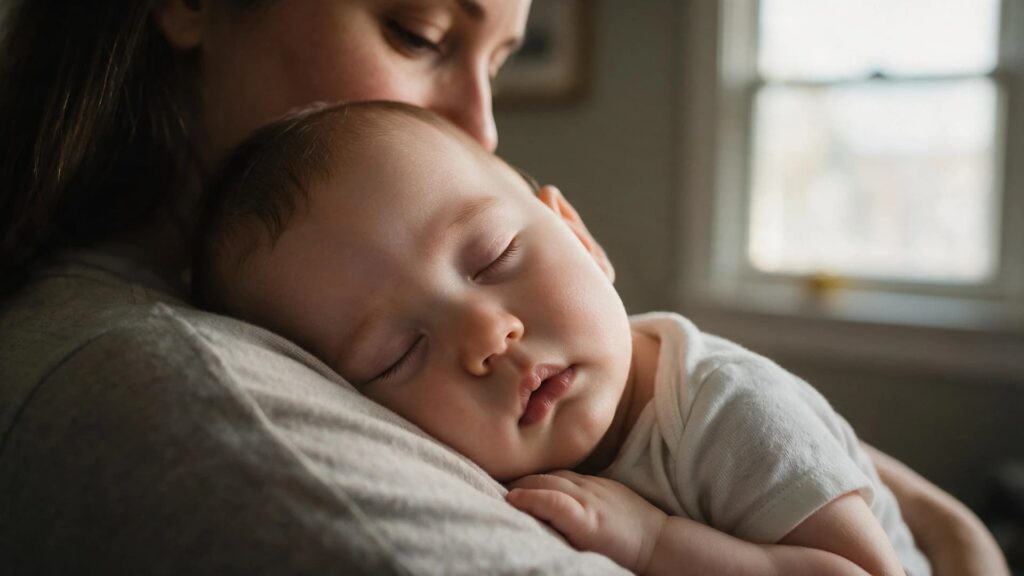
A baby’s breathing can sometimes look faster, slower, or more uneven than expected, especially during sleep. For parents, these changes can be difficult to interpret and may quickly raise concern.
Newborn breathing patterns can vary, so it helps to look at more than speed alone. Breathing effort, rhythm, skin color, and overall behavior can all provide useful context.
Understanding what may be normal and recognizing when something appears unusual can make it easier to respond with greater confidence.
Keep reading to learn how newborn breathing can change during sleep and when you may need medical advice.
Is it Normal for a Baby to Breathe Fast While Sleeping?
Seeing a baby breathing fast while sleeping does not always mean something is wrong. Newborns naturally breathe faster than older children and adults, and their breathing rhythm may be irregular.
Healthy newborns usually breathe about 40 to 60 times per minute. During sleep, the rate may fall to about 30 to 40 breaths per minute.
Newborns have developing respiratory control and smaller lungs than older children, which can contribute to faster, less regular breathing patterns.
A baby who breathes quickly but comfortably is different from one whose ribs pull inward, nostrils flare, skin changes color, or breathing appears difficult.
Fast or irregular breathing can be normal in newborns, especially during sleep, but persistent rapid breathing or increased breathing effort needs medical attention.
Understanding Normal and Abnormal Newborn Breathing
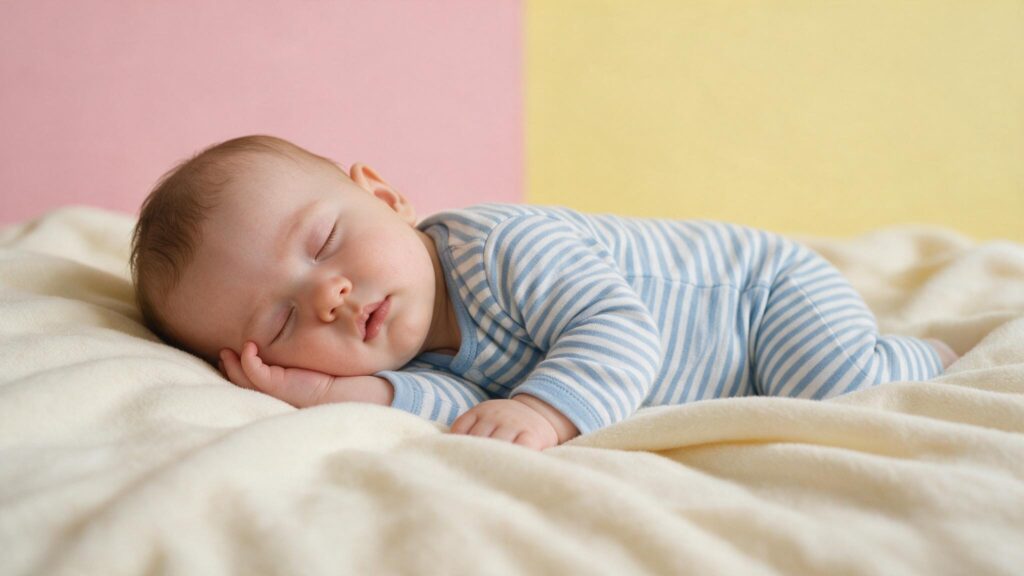
Newborn breathing naturally varies. Parents also benefit from understanding broader baby sleep patterns because normal sleep stages can change movement, breathing rhythm, and responsiveness.
1. Periodic Breathing During Sleep
Periodic breathing is a common breathing pattern that can occur in healthy newborns. A baby may breathe quickly for several seconds, pause briefly, and then begin breathing again.
Brief pauses of up to 10 seconds may occur during normal, sporadic breathing. The baby should stay comfortable and maintain a regular color.
Long pauses or episodes accompanied by pale or dusky-looking skin, decreased responsiveness, retractions, or breathing difficulty require medical evaluation.
2. Brief Pauses Between Breaths
Short breathing pauses may appear during newborn sleep because breathing control is still developing.
In regular sporadic breathing, a pause may last several seconds before breathing resumes without assistance. These pauses should not cause continual color changes, powerful chest pulling, or reduced responsiveness.
Brief pauses can occur with normal periodic breathing, but parents should seek medical advice for unusually long or repeated pauses, especially if accompanied by changes in skin color, poor responsiveness, or breathing difficulty.
3. Changes in Breathing Rhythm During Sleep
Newborn breathing does not always follow an even rhythm during sleep. A few quick breaths may be followed by slower, shallower breaths or a short pause before a steady pattern returns.
These changes can make a baby who is breathing normally while sleeping seem alarming. The pattern is less concerning when breathing soon settles, and the baby remains comfortable.
Continual rapid breathing, repeated pauses, poor feeding, bluish color, or increased effort may indicate a problem instead. A consistent and suitable crib sleep setup can also help parents observe normal breathing more clearly during quiet sleep periods.
4. Signs of Increased Breathing Effort
Breathing rate is only one part of assessing a newborn. Increased effort may matter more than the exact number of breaths per minute.
Warning signs include retractions, repeated grunting, nasal flaring, and visible difficulty moving air in and out. The baby may also struggle to feed because breathing takes extra effort.
Rapid breathing combined with these signs can indicate respiratory distress and requires prompt medical assessment rather than continued observation at home
5. Grunting and Nasal Flaring
Grunting and nasal flaring may indicate that a newborn is working harder than usual to breathe.
Nasal flaring occurs when the nostrils widen during breathing and can signal respiratory distress in infants. Grunting may sound like a continuous noise during breathing.
Either sign becomes more concerning when combined with labored breathing, retractions, poor feeding, or unusual skin color. Persistent symptoms should be evaluated promptly by a healthcare professional.
6. Blue or Gray Skin Changes
Changes in skin color can be a pivotal warning sign when breathing appears abnormal. Dusky or pale coloring of the lips, face, or mucous membranes may indicate that the baby is not receiving sufficient oxygen.
Bluish coloring around the lips or face can be a concerning sign when it appears alongside abnormal breathing. When color changes occur with labored breathing, retractions, grunting, or reduced responsiveness, it needs urgent medical attention.
Normal Newborn Breathing Rate
Newborn breathing rate shifts with sleep, crying, feeding, and activity, so no single count tells the full story.
Situation | What’s Commonly Observed | What Parents May Notice |
|---|---|---|
Awake and calm | Often on the faster side (roughly 40-60 breaths per minute) | Quick breathing that still looks comfortable |
Sleeping | Often on the slower side (roughly 30-40 breaths per minute) | Breathing may slow with brief irregularity |
Crying, feeding, or active | Temporarily faster than baseline | Rate rises, then settles once activity stops |
Persistent fast breathing at rest | Consistently above the typical range | Worth discussing with a healthcare professional |
Fast breathing with distress | Any rate | Retractions, grunting, flaring, or color change need prompt attention |
Retractions in Babies and Breathing Effort
Retractions in babies occur when the skin around the ribs, breastbone, or chest pulls inward during breathing.
This movement normally means the baby is working harder than usual to move air. Retractions may appear between the ribs, under the rib cage, or at the base of the neck.
They become more concerning when combined with rapid breathing, grunting, poor feeding, unusual sleepiness, or changes in skin color.
Because retractions can signal breathing difficulty, a qualified healthcare professional should promptly assess persistent chest retractions at rest.
How to Count a Baby’s Breathing Rate
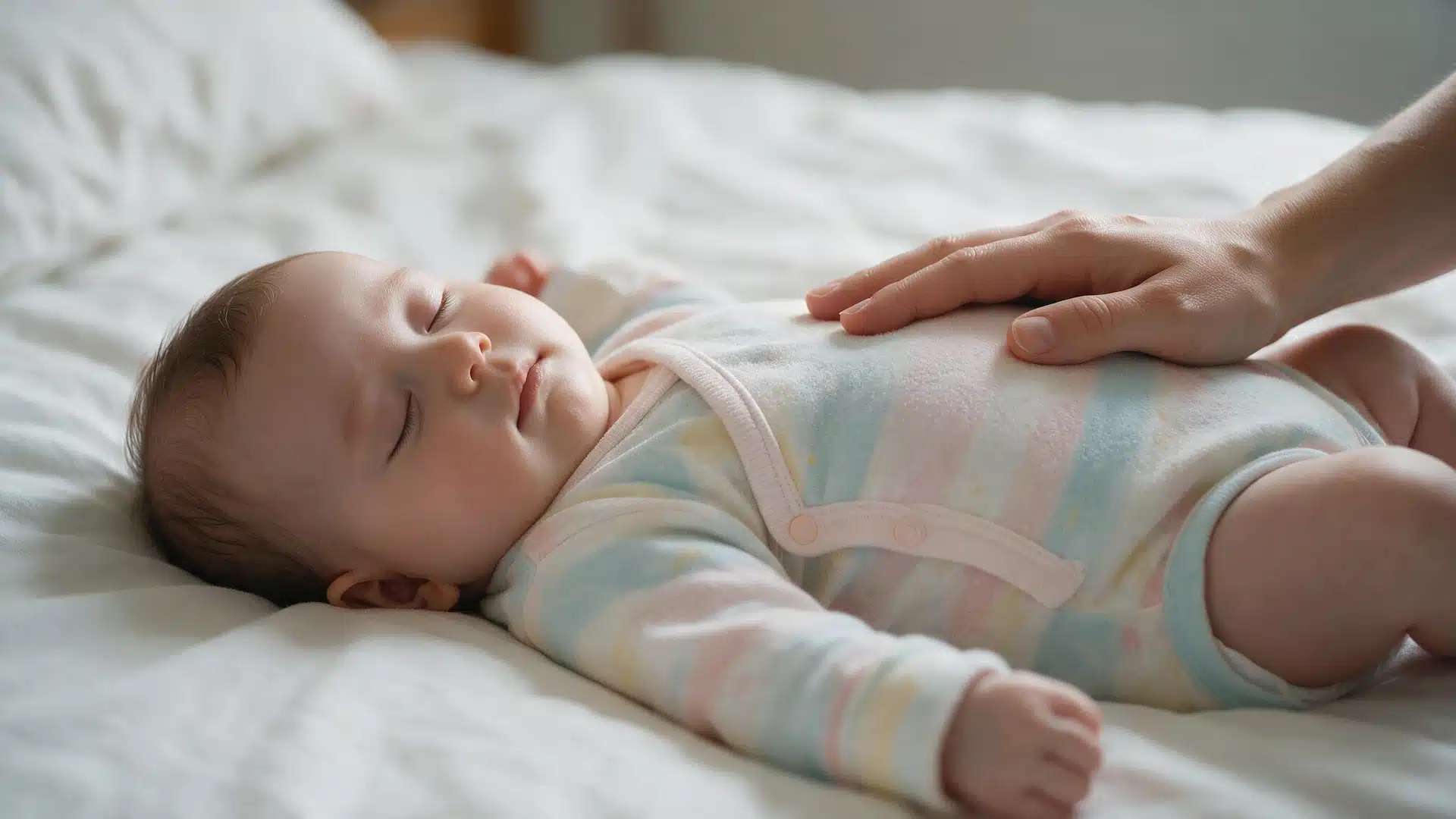
alt text: sleeping newborn on white bedding with an adult hand gently checking the baby’s breathing
A baby’s breathing rate should be counted when the baby is calm, resting, or sleeping quietly. Crying, feeding, or movement can temporarily increase breathing speed.
A parent or caregiver should watch the chest or abdomen rise and fall. One thorough rise and fall counts as one breath.
Count breaths for a full 60 seconds because newborn breathing can be irregular. Parents checking breathing during sleep should also follow appropriate guidance on when a baby can safely sleep with a blanket.
If the rate remains unusually high or the baby has retractions, grunting, nasal flaring, blue or gray skin, or reduced responsiveness, seek medical care rather than repeatedly checking the rate at home.
When Does Newborn Breathing Need Emergency Care?
Parents should contact a pediatrician if fast breathing persists at rest or is accompanied by other changes in the baby’s condition.
- Persistent Rapid Breathing: Unusually fast breathing that stays this way while the baby is calm should be assessed, especially in a newborn.
- Feeding Difficulties: Reduced feeding, tiring during feeds, or difficulty coordinating breathing and feeding may signal a respiratory problem.
- Changes in Behavior: Unusual sleepiness, irritability, reduced activity, or difficulty waking can make fast breathing more concerning.
- Coughing or Congestion: Discuss fast breathing with coughing, wheezing, congestion, or worsening respiratory symptoms with a pediatrician.
- Fever in a Young Baby: A baby younger than three months with a temperature of 100.4°F or 38°C or higher needs prompt medical evaluation.
- Fewer Wet Diapers: Reduced urination may suggest dehydration, especially when illness and poor feeding occur together.
Disclaimer: This content is for general informational purposes only and does not replace professional medical advice, diagnosis, or treatment. Parents should contact a healthcare professional if a baby shows unusual or concerning breathing symptoms.
Final Thoughts
A baby breathing fast while sleeping can be normal when the breathing soon settles, and the baby remains comfortable.
Parents should consider breathing rate alongside effort, skin color, feeding, responsiveness, and changes in the usual breathing pattern.
Persistent rapid breathing, retractions, grunting, color changes, or other signs of distress should receive prompt medical attention rather than continued observation at home.
Understanding these differences can help parents recognize when professional care may be necessary. Have questions about newborn breathing during sleep? Share them in the comments below.
Frequently Asked Questions
Is it Normal for a Newborn to Be Noisy While Sleeping?
Yes. Some newborns make soft snorting, squeaking, or congested sounds while sleeping without breathing difficulty.
Does Room Temperature Affect a Baby’s Breathing?
A warm environment may affect comfort, but don’t blame persistent fast breathing on room temperature without a proper assessment.
Can Feeding Change a Newborn’s Breathing Pattern?
Yes. Breathing may temporarily speed up during or after feeding, especially if the baby is active or unsettled.