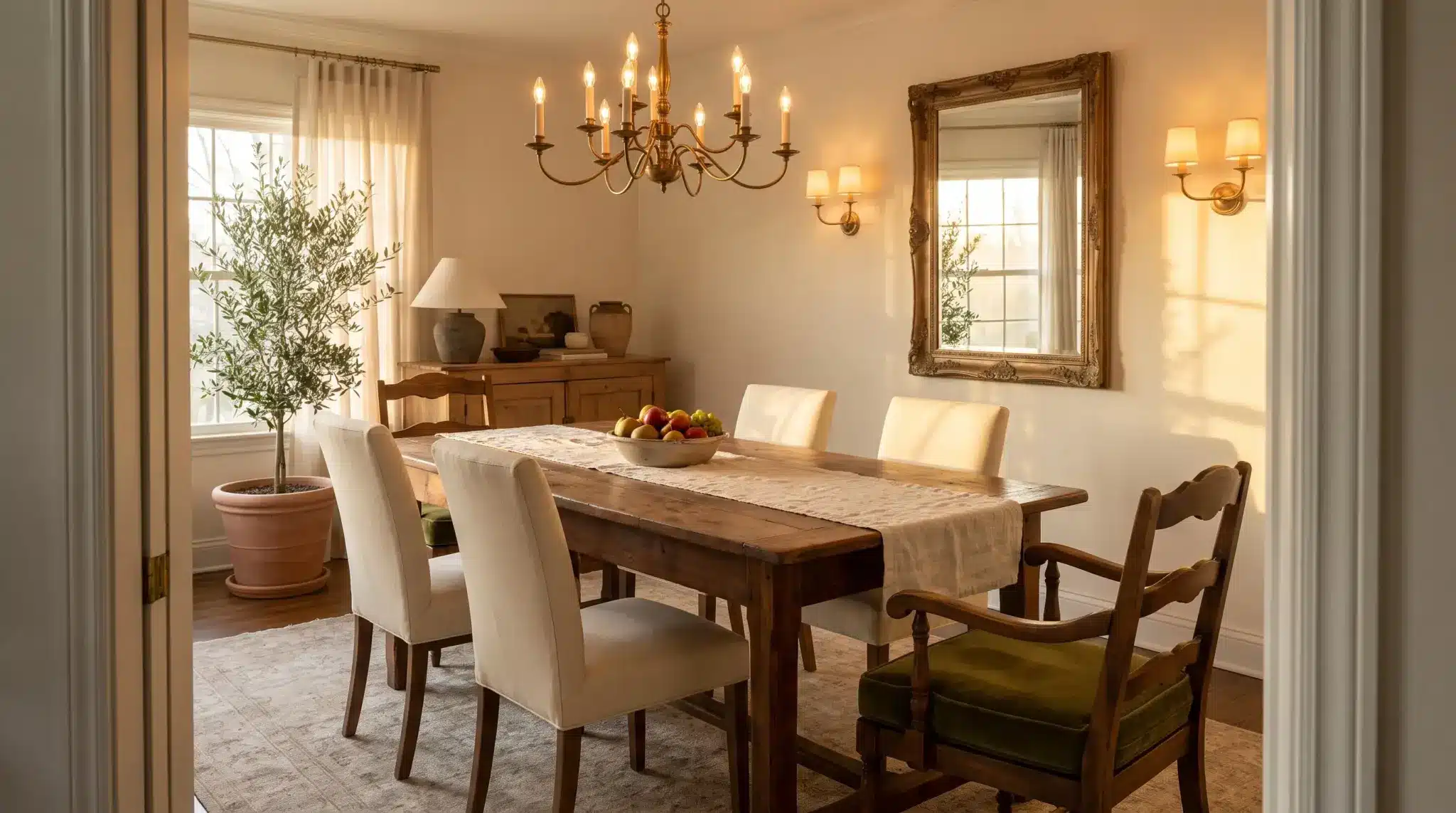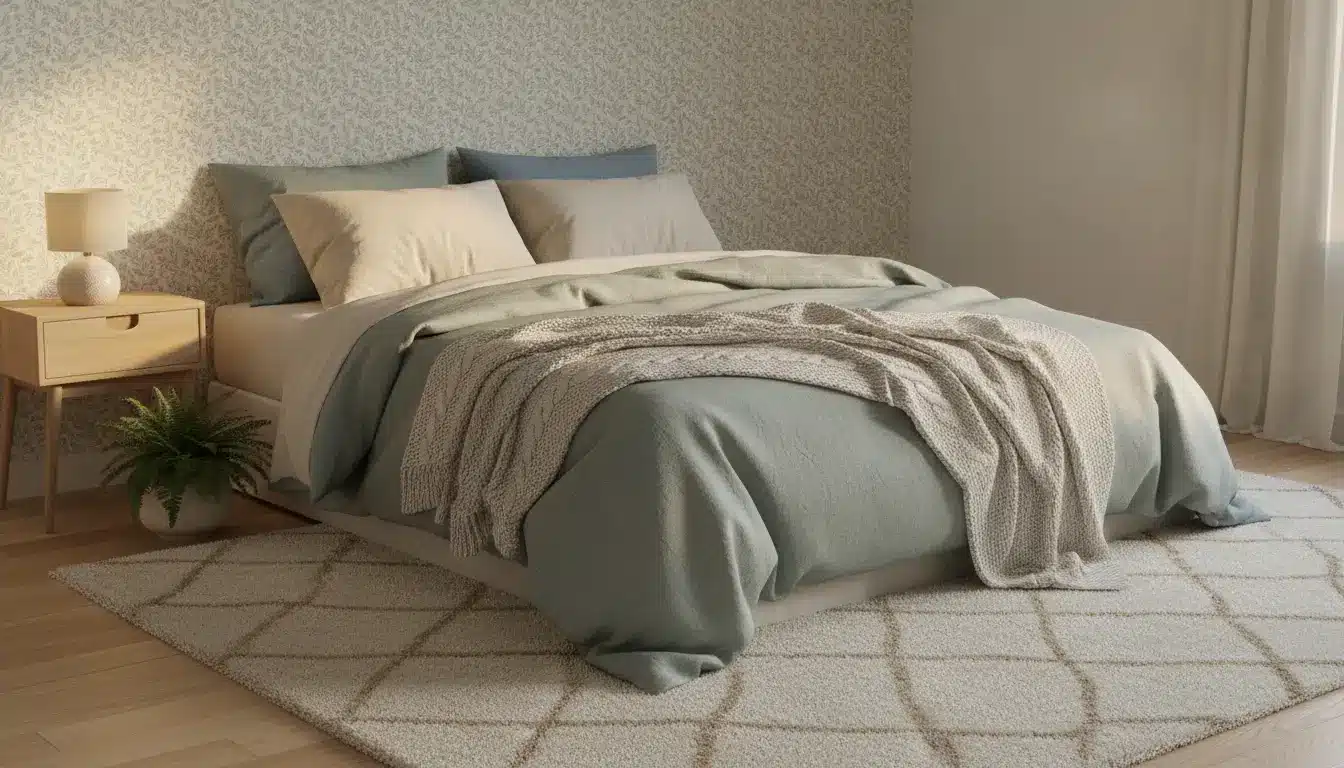

I lived with a squeaky bed for almost two years. Every time I rolled over, the frame gave a short creak near the foot. I tightened the bolts with the little wrench from the box. That helped for a month, then the noise came back.
I blamed the mattress for a while. The mattress was fine. The frame shifted a little each night, and I felt it.
If you share a bed, you know how this goes. One person gets up and the other wakes up. Or the middle dips after a year and your back feels stiff in the morning. Often the cause is what holds the mattress up.
Why the Frame Under You Matters
A frame keeps the mattress level, keeps the bed from rocking, and stays quiet when you move. When it falls short, sleep gets lighter. Flex lets motion travel side to side. A loose joint rubs and creaks. Slats set too far apart let foam sag between them. I have seen people replace a mattress when the real problem was a tired base with a cracked center beam.
Side rails carry the edges. A center rail with legs carries the middle on anything wider than a twin. Slats spread weight across. When those pieces stay tight, the bed feels solid.
Shoppers looking for a sturdy bed frame often end up talking about sleep quality. Steadiness affects rest.
What Japanese Joinery Means in Plain Terms
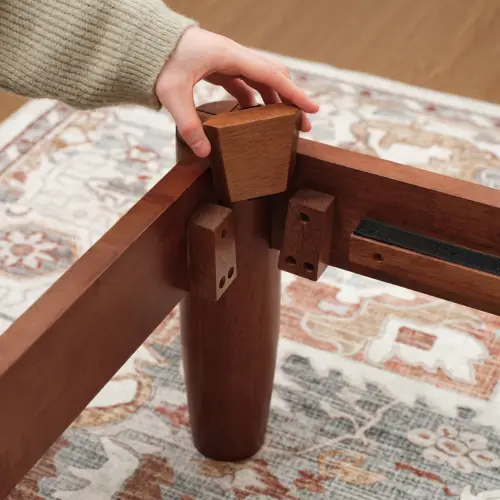
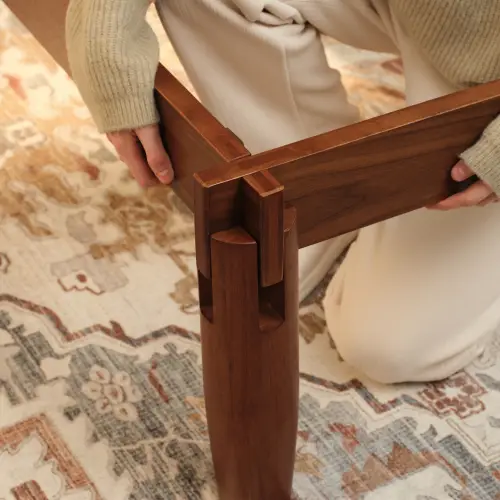
Japanese joinery connects wood so the pieces hold each other. A tenon slides into a mortise. A wedge locks it. Use pulls the joint tighter over time.
Most low cost frames work the other way. Two boards butt together and a screw goes through. That holds at first. Wood swells and shrinks with the seasons. Screws wallow out their holes. After a couple of moves, the holes never line up right again.
Joinery handles that movement better because contact runs along the grain, not through one metal point. Load spreads wider. There are fewer fasteners to back out. A well cut joint can come apart and go back together and still seat firm, which helps if you move often.
Most modern beds still use some screws. When interlocking wood carries the main load, the metal parts do less work and the frame stays quiet longer.
Why That Structure Suits a Queen Bed Now
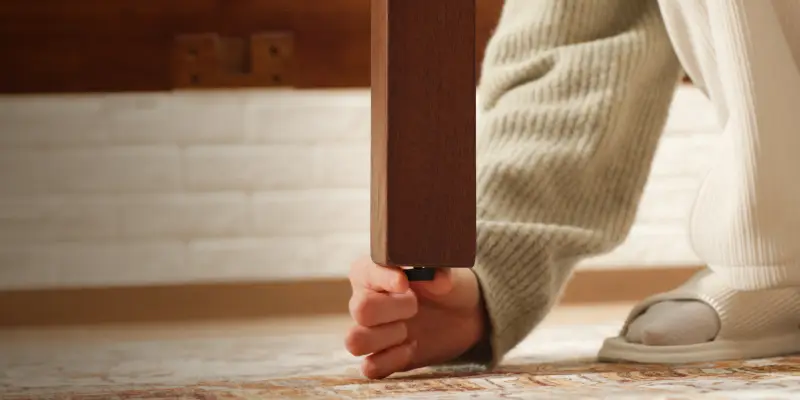
Bedrooms got simpler. Low platform, no box spring, mattress straight on slats. The look is clean, but it asks more from the frame. Each shift goes into the rails and joints.
A queen shows this fast. It is wide enough for two sleepers and wide enough to sag in the middle without help. A solid wood queen bed frame with a real center beam and legs takes that middle load. Slats with gaps around three inches or less keep foam from dipping. Support feels the same in month fourteen as in week two.
My old frame was loudest in winter when the heat ran dry. Joints that meet face to face tend to move as one piece. They rub less, so there are fewer small creaks to wake a light sleeper.
Solid wood helps for a practical reason. It holds a cut edge and resists crushing around a joint. Veneer over particle board can look smooth in photos, but it chips at corners and strips fast if you over tighten once. If you want to keep a bed eight or ten years, the material under the finish counts.
What to Check Before You Buy
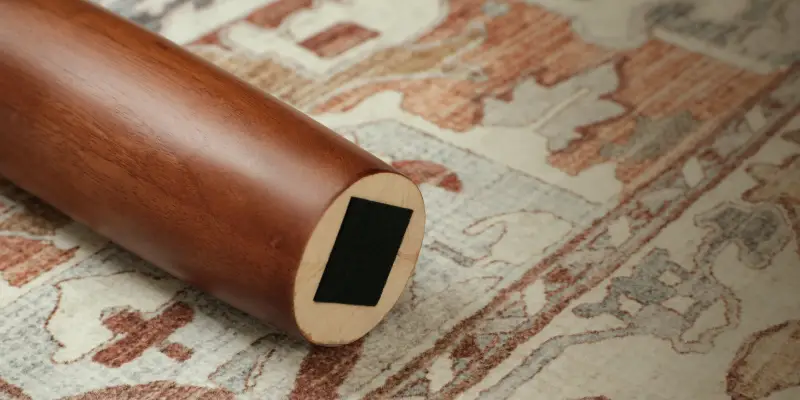
Look at how the rails meet the head and foot. Ask if the main connections interlock or depend only on bolts through flat boards. Interlocking connections with a pin or lock tend to stay square longer.
Look at the slats. Solid boards beat thin plywood strips. They should sit flat in a ledge, not float loose. For a queen, expect a center beam with at least one leg on the floor. Two is better.
Check the weight rating for frame plus mattress plus sleepers, not one rail. Joints that locate themselves during assembly are a good sign. If you have to force holes to line up, that stress stays in the frame.
FlexiSpot sells a small range of solid wood frames built this way, including the Kana bed that uses joinery and skips the bag of bolts. The rails seat into each other and the slats and center support carry the middle.
Fitting It Into a Calm Bedroom
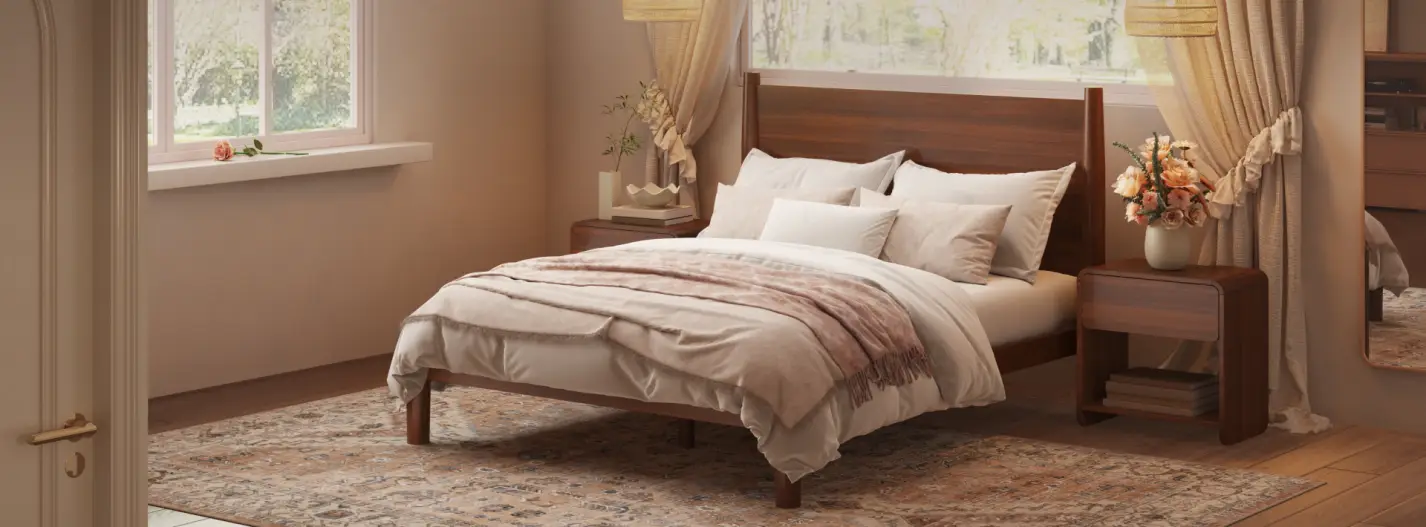
Joinery beds lean minimal. Low lines, visible grain, no bulky posts. That suits a quiet room with warm white walls and one wood tone repeated in a nightstand. I kept beige bedding and one rust throw. A small rug beside the bed softens steps and cuts echo.