
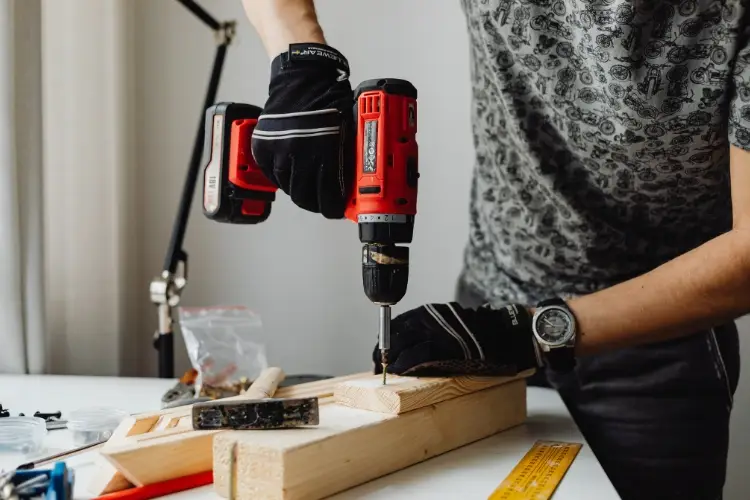
Hands-on hobbies can be a rewarding way to spend free time, especially when much of modern life involves sitting in front of screens. Woodworking, gardening, welding, home repairs, crafting, and other hands-on activities offer chances to move, focus, and create something tangible. However, physical hobbies can also leave your body tired when you combine them with work, family responsibilities, and everyday household tasks.
Finding a healthy balance between activity and recovery allows you to enjoy your hobbies without turning them into another source of exhaustion. Rest does not have to mean giving up productive activities or spending an entire weekend on the couch. Instead, it means paying attention to your energy levels and creating routines that give your body enough time to recover.
Treat Your Hobby Like Physical Activity
It is easy to underestimate the physical demands of a hobby when you are enjoying yourself. A few hours spent lifting materials, bending over a workbench, digging in the garden, or repeatedly using tools can place considerable demands on your muscles and joints. You may not notice the effects until you finally stop moving.
Think about your hobby in much the same way you would approach other forms of physical activity. Warm up, take breaks, drink water, and avoid the same repetitive movement for hours without interruption. Small changes in how you approach a project can help reduce unnecessary fatigue.
Create a Comfortable Workspace
Your surroundings can influence how physically demanding a project feels. A workbench that is too low may encourage you to hunch over, while poor lighting can cause you to lean forward or work in uncomfortable positions. Organizing tools within easy reach can also reduce unnecessary bending, stretching, and walking.
Comfort should never replace appropriate safety practices, particularly when working with tools, heat, electricity, or machinery. People taking on welding projects, for example, should use suitable protective clothing, eye and face protection, ventilation, and other equipment appropriate to the task. Those researching protective gear can explore welding equipments from Ridge Products Welding as part of preparing a properly equipped workspace.
Schedule Breaks Before You Feel Exhausted
Many people wait until they are completely tired before taking a break. That approach can make recovery harder because fatigue has already built up. Scheduling short breaks throughout a project can help you maintain energy and concentration longer.
Use breaks to change your position and give heavily used muscles a chance to relax. You might walk around, stretch gently, drink some water, or sit somewhere comfortable for several minutes. Even a brief change of activity can make a long afternoon of DIY work feel more manageable.
Pay Attention to Your Posture
Hands-on hobbies often require positions that would be uncomfortable in any other setting. You might kneel while working on a garden bed, lean over a table while assembling something, or crouch to reach a difficult area. Staying in these positions for extended periods can contribute to stiffness and soreness.
Adjust your setup whenever possible instead of constantly adjusting your body to the project. Raise materials to a practical working height, use seating when appropriate, and reposition your project as you progress. Your workspace should support the way you naturally move rather than forcing you into awkward positions.
Make Your Bedroom a Recovery Zone
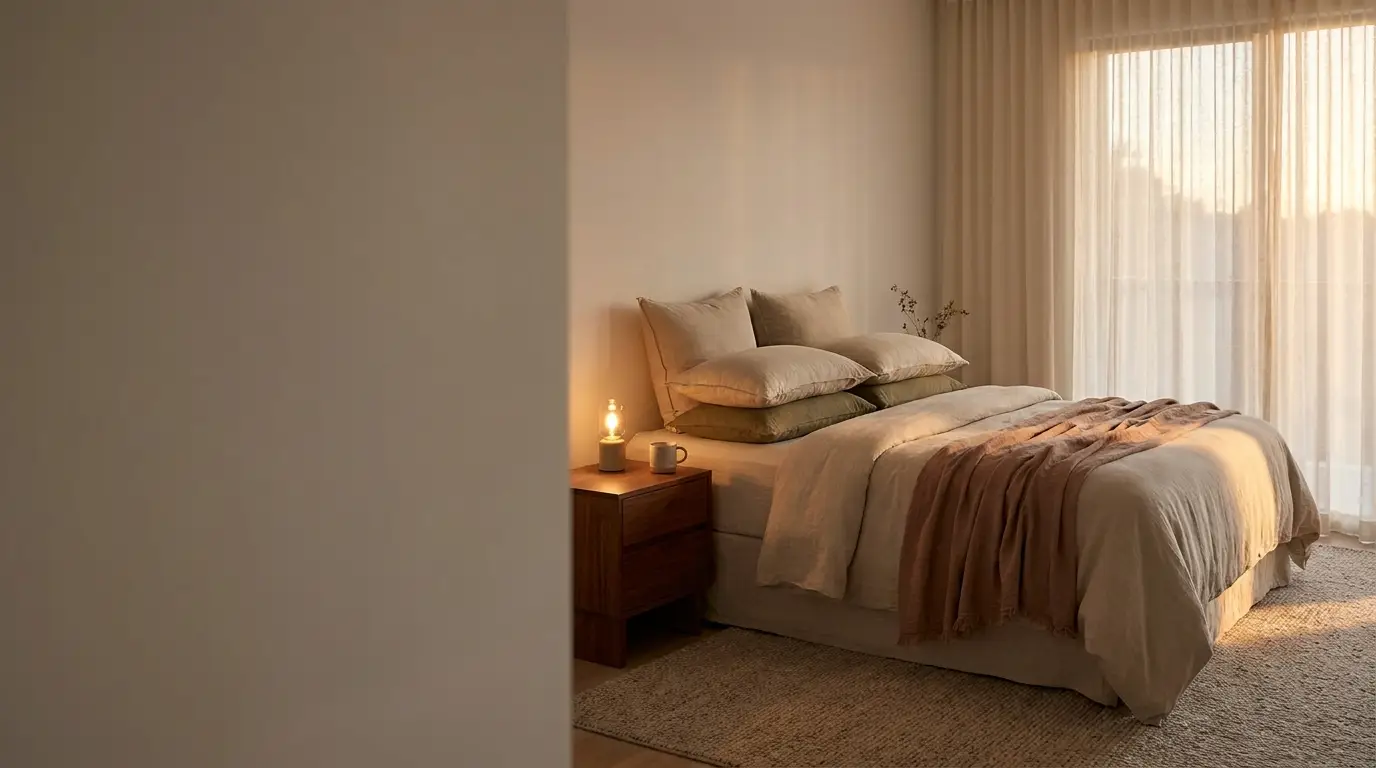
After a physically active day, your bedroom should be a place where you can genuinely unwind. A comfortable mattress, supportive pillows, suitable bedding, and a pleasant room temperature can all contribute to a more restful setting. Keeping the room relatively quiet and dark can also make it easier to transition from activity to sleep.
Whenever space allows, try to separate your bedroom from unfinished projects. Tools, materials, paperwork, and reminders of tomorrow’s tasks can make the room feel like an extension of your workspace. A calmer environment can signal that the productive part of the day has ended.
Build a Simple Evening Routine
Moving directly from an intense project into bed may leave your mind feeling surprisingly alert. Hands-on work often involves problem-solving, concentration, and decision-making, even when the activity is enjoyable. A transition period can help you shift into a quieter part of the day.
Your routine does not need to be complicated. Taking a warm shower, reading, listening to music, or preparing for the next morning can create a natural buffer between activity and sleep. Consistency is often more useful than creating an elaborate routine that becomes difficult to maintain.
Alternate Demanding and Lighter Projects
Not every hobby session needs to involve the most physically challenging task on your list. If you spent Saturday moving lumber, working on a large garden project, or making extensive home repairs, Sunday could be reserved for planning, organizing, cleaning tools, or completing smaller jobs. Alternating activity intensity gives your body more opportunities to recover.
This approach can also make larger projects easier to sustain over time. Instead of attempting to complete everything in a single exhausting weekend, divide the work into stages. You may ultimately enjoy the process more when there is less pressure to finish everything immediately.
Support Recovery Throughout the Day
Recovery is not limited to what happens while you sleep. Eating regular meals, staying hydrated, changing positions, and taking periods of genuine downtime can all support how you feel after physical activity. These habits matter even more when you add a hobby to an already busy schedule.
Pay attention to how you feel the day after a demanding project. Occasional muscle fatigue can happen after unfamiliar activity, but persistent discomfort may indicate that you need to change your technique, reduce the workload, or allow more recovery time. Listening to these signals can help keep a hobby enjoyable over the long term.
Protect Time for Doing Nothing
Productive hobbies can create an unusual problem: because you enjoy them, it becomes tempting to fill every free hour with another project. There is always another shelf to build, garden bed to improve, repair to make, or skill to practice. Constant productivity, however, can eventually make even favorite activities feel like obligations.
Leave some space in your schedule without assigning it a purpose. An afternoon spent relaxing under a comfortable quilt, watching a movie, reading, or simply enjoying your home can be valuable in its own right. Downtime gives both your body and your attention a chance to reset.
Find a Rhythm You Can Maintain
The best balance between hobbies and recovery will look different for everyone. Someone who works at a desk all week may welcome a physically demanding weekend project, while a person with an active job may prefer shorter hobby sessions followed by more rest. Your schedule should reflect your own energy levels rather than somebody else’s idea of productivity.
Hands-on hobbies can bring creativity, practical skills, movement, and satisfaction into everyday life. Pairing that activity with comfortable surroundings, regular breaks, restful evenings, and sufficient sleep can make those hobbies easier to enjoy for years. A sustainable rhythm lets you enjoy both the satisfaction of making something and the comfort of putting your tools away at the end of the day.