

Residential value now rests on more than floor area or finish quality. People assess how a building supports movement, rest, social contact, and daily ease across many years. Shared facilities matter because they shape routine behavior, strengthen informal support, and reduce small stresses that wear on household life. When common spaces are planned with care, residents gain comfort, steadier habits, and a stronger sense of belonging within the property.
Shared Spaces
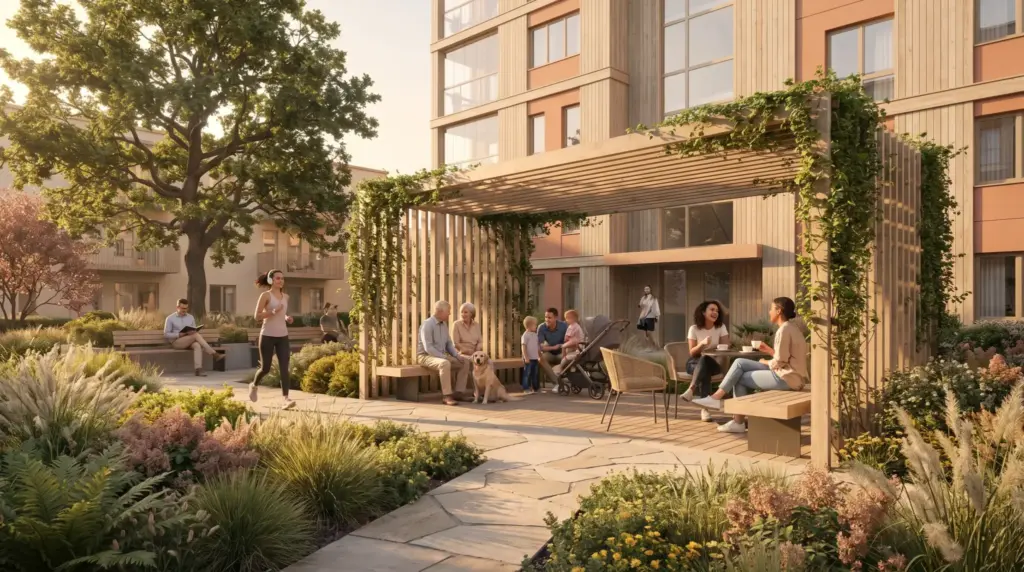
Common areas influence how residents meet, pause, and recognize familiar faces over time. In that broader housing discussion, Bloomsbury Residences serves as a useful example of why shared settings matter beyond mere appearance. A well-placed lounge, courtyard, or seating corner creates low-pressure contact. Those brief exchanges build trust gradually, which helps a residence feel settled, social, and easier for people of different ages to enjoy.
Daily Convenience
Useful amenities reduce friction in ordinary routines. Secure parcel storage, sheltered arrival points, and bicycle rooms support tasks that recur weekly. Their value shows up in saved minutes, cleaner circulation, and fewer avoidable frustrations. Residents usually notice that practical help comes before decorative features. A building that respects daily patterns often holds attention longer because convenience affects lived experience far more than novelty.
Wellness Access
Health-related spaces matter most when use feels simple. A modest fitness room, shaded walking loop, or quiet stretch studio can support circulation, joint mobility, and stress regulation. Ease of access encourages steadier participation across the week. People move more often when the setting is nearby and comfortable. That regular activity supports better energy, improved sleep, and stronger physical maintenance over time.
Gathering Places
Social amenities work best when they welcome different group sizes. A dining room, barbecue area, or indoor lounge can host celebrations, shared meals, or brief evening conversations. Repeated contact helps neighbors move from recognition to familiarity. That shift carries real value. Trust tends to grow where people see one another often, which can reduce isolation and create a calmer residential atmosphere.
Family Support
Family-oriented features broaden a property’s usefulness across different life stages. Play areas with clear sightlines, stroller-friendly routes, and nearby seating ease supervision without adding strain. Older relatives also benefit from direct paths and restful corners. Homes that serve children, parents, and grandparents usually remain relevant longer. That broad usability can strengthen demand, as households often change before relocating.
Outdoor Relief

Open-air amenities give residents a place to recover from an indoor routine. Even compact gardens or shaded courtyards can lower the sensory pressure created by dense surroundings. Trees, planting beds, and comfortable benches invite longer stays without requiring formal activity. Time spent outside often improves mood and attention. Green settings also soften a property’s visual character, shaping perceived quality immediately.
Flexible Work Zones
Work habits have shifted residential expectations in practical ways. Quiet booths, shared tables, and reliable seating offer room for focused tasks without turning each unit into a full office. That separation helps residents protect rest while handling professional duties nearby. Flexibility carries measurable appeal because many households now need adaptable space. Buildings that answer this pattern often feel more useful from morning through evening.
Safety by Design
A residence gains value when residents feel secure without feeling overly controlled. Clear lighting, visible routes, and managed entry points support confidence during ordinary movement around the site. People use shared areas more often when navigation feels obvious and comfortable. Frequent presence also increases passive observation. That natural visibility can discourage misuse while helping common spaces remain active, civil, and welcoming.
Long-Term Appeal
The strongest amenities keep serving residents after first impressions fade. Durable materials, straightforward upkeep, and broad usefulness matter more than eye-catching features with limited purpose. A well-used courtyard often contributes more practical value than a specialty room left empty most days. Buyers recognize that difference quickly. Investors do too, because active shared spaces usually support stronger occupancy interest and steadier long-range perception.
Conclusion
Community-centered amenities add value by improving the lived rhythm of a residence. Shared rooms, practical services, wellness spaces, and outdoor areas each support comfort in a direct, measurable way. Their effect grows when those elements work together rather than standing apart as isolated features. Over time, that coordination can strengthen market appeal while giving residents greater ease, social connection, and lasting confidence in their community.