


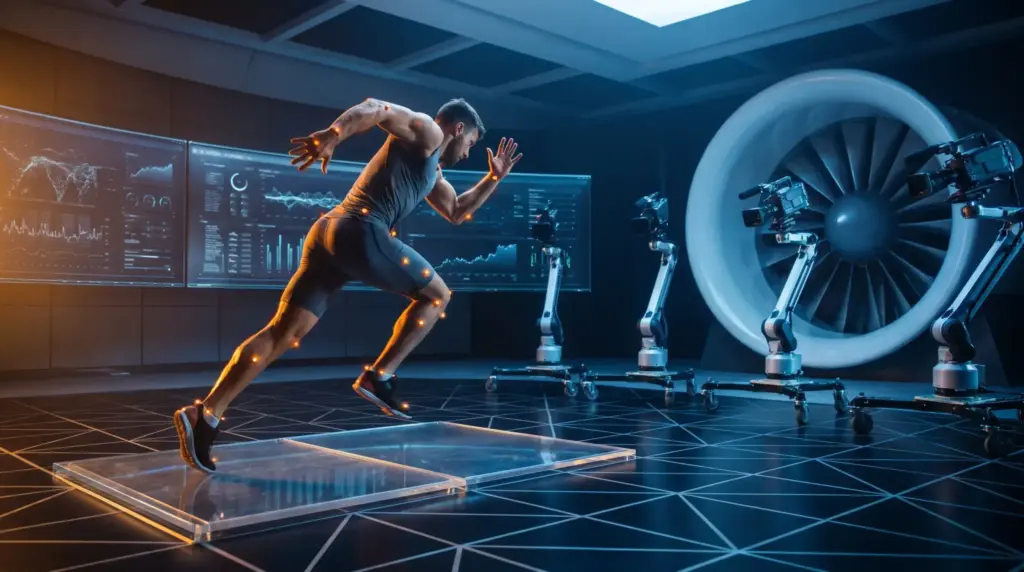
Engineering laboratories have contributed no less to today’s athletic performance than practice fields do. Through cooperation with sports scientists and engineers, it became possible to optimize equipment, analyze the movement, and reduce risks of getting injured. To learn about technological advancements used in sport behind the scenes, read the text below.
Biomechanics and Motion Analysis
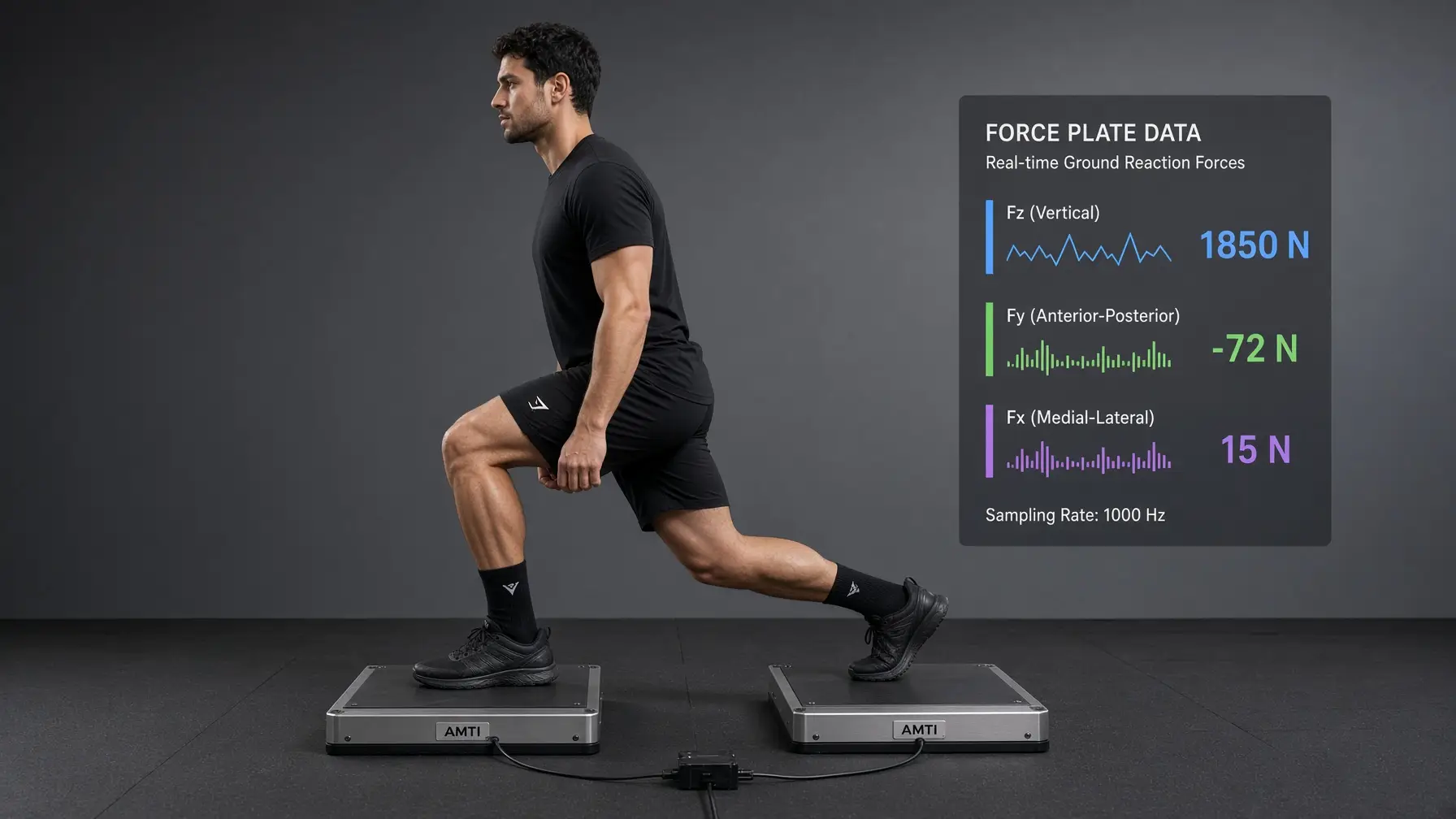
Biomechanics is an engineering branch studying human movement under the influence of physical stress. Engineers use high-speed cameras and force plates to collect information about joint angles, stride cycles, and muscular activation. Exploring performance metrics on the Grandpasha bet platform helps users evaluate competitive odds using structured statistical models. These data help coaches detect weaknesses that cause energy loss or increase the risk of injuries. Minor form changes based on detailed data analysis often result in significant improvement in athletic performance.
Motion analysis is helpful during injury rehabilitation as well. By comparing the movement of an athlete before and after recovery, engineers make sure that the process went correctly. Thanks to this method, it is now possible to design safer training programs. Biomechanical data analysis has become an inseparable part of the preparation of professional athletes.
Advanced Materials and Equipment Design
Material science is at the very heart of modern sports equipment. Engineers test carbon fiber, new generation polymers, and various alloys in order to combine maximum strength and minimal weight. A slight change in a tennis racket or a running shoe’s sole stiffness can significantly influence an athlete’s efficiency. All these changes are the result of thorough tests and not of mere guesses or marketing promises.
The design of footwear has been greatly improved thanks to computational modeling and numerous prototypes. The simulation of possible results in the Sweet Bonanza 1000 game is similar to how statistical probability models consider different variables in competitive games. As in the case of equipment design, industries based on statistical probability models and risk assessment, like regulated sports betting platforms, require structured models.
Wearable Technology and Real-Time Data
New generation wearable devices allow athletes to receive continuous feedback during their training and even while competing. They monitor a variety of data like heart rate, speed, and acceleration. It allows coaches to adjust training intensity according to the current state of affairs. Instead of making assumptions about how athletes feel during their training, coaches now have access to precise data.
Besides, wearable technology is now being used to monitor recovery processes as well. Wearable sensors can monitor sleep quality, muscle fatigue, and even stress. Thanks to this information, it is now easier for coaches to plan resting periods to avoid overtraining. As the technologies become better and better, this gap will be closed soon.
However, apart from training itself, engineering affects how the performance data is gathered and compared. The following table shows some of the most popular devices engineers use, their main function, and their applications in sports.
Tool | Primary Function | Common Application |
Force plates | Measure ground reaction forces | Sprint and jump analysis |
Motion capture systems | Track joint and limb movement | Technique refinement |
Wearable sensors | Monitor heart rate and load | Real-time training feedback |
Wind tunnels | Test aerodynamic drag | Cycling and skiing equipment |
The use of all of these techniques combined will paint a better picture of the athlete’s performance compared to any other type of measure. Integration of these various sources of data helps to make more informed, evidence-based decisions.
Facilities and Environmental Engineering
All of the training environments where athletes undergo training are designed by engineers. Indoor tracks, pools that maintain constant temperature and pressure, altitude simulators, and many more such facilities are engineered using environmental modeling techniques. They enable athletes to train in controlled conditions that mimic those of competition.
Environmental engineering is also important in designing the stadium itself, as the material used in construction, lighting conditions, and even acoustics affect the performance of athletes. In addition, engineers take into account the safety of athletes and spectators during the design of stadiums.
Recovery and Injury Prevention Technology
One of the areas that has received much attention from engineers recently is injury prevention. Engineers have developed predictive modeling techniques that make it possible to identify athletes who are likely to get injured. Such information can be used by medical staff to develop exercise programs that prevent these injuries.
Technology for recovery after training has also been significantly influenced by engineering research and development. Engineers have created compression devices, chambers for cryotherapy, and pneumatic boots that facilitate recovery and minimize muscle soreness after training sessions.
Nutrition Technology and Performance Modeling
Another area where sports engineering and nutrition meet is measuring an athlete’s physiological parameters. For example, a metabolic cart measures an athlete’s oxygen consumption, thus enabling scientists to calculate an athlete’s exact caloric intake requirement. A pneumotachograph can be used to determine an athlete’s hydration status, thus giving exact numbers for fluid intake requirements.

The performance modeling software uses these statistics in a more sophisticated way in order to simulate the race or the game outcome. The coach uses parameters such as pacing, fatigue, and recovery time, and tries out various combinations in order to see what works best. This allows the athletes to prepare for the competition situation in advance.
Tactical Engineering for Team Sports
Engineering concepts go hand in hand with tactics in team sports, too. Video tracking systems show the positions of the players and their movements throughout the whole game. Based on this information, analysts identify formation weak points and opportunities for scoring. Then, the coaches make decisions based on the patterns that they see.
There are sensor networks that can be placed under the playing field or in the equipment of the players and measure such parameters as ball speed, its rotation, and trajectory. This allows developing a more effective strategy and improving the skills of the players. Today, tactical engineering plays an equally important role as physical training in many sports.
Engineering to Improve the Performance of Para Athletes
Thanks to engineering, para athletes have gained a lot of advantages over those competitors who do not suffer from any disability. Prosthetics is designed by engineers using advanced materials to provide an athlete with a unique device fitted precisely according to their biomechanics. Likewise, the wheelchair is adjusted using the measurements of the athlete’s body and movements.
Engineering also influences the training process of para athletes. With the help of sensors, coaches can understand how the body mechanics of these people differ from the mechanics of able-bodied athletes. This allows for creating more effective training programs. In general, adaptive engineering helps to reduce the gap between different categories of athletes.
How Science Plays Behind the Scenes in Sports
It seems that engineering is usually not at the center of the discussion about the sport, although engineering impacts all spheres of sporting performance. These technologies function backstage, making training safer and more accurate for the athlete. Materials engineering helps to improve equipment, while environmental engineering enables the optimal design of places where athletes exercise and perform. With time, this connection will become even stronger.