

Choosing senior housing often follows a gradual shift in daily ability. An older adult may still manage familiar decisions yet need help with bathing, medication, meals, or movement. Assisted living offers personal support without requiring continuous nursing supervision. Eligibility depends on physical function, cognitive status, medical stability, and safety risks. Early planning allows relatives to compare care settings, costs, and services before an accident or hospital admission creates pressure.
Who Meets the Criteria
Many older adults qualify after regular tasks become difficult, unsafe, or physically exhausting. Families researching “Who qualifies for assisted living?” should consider current performance, not age alone. A person may need assistance with dressing, bathing, medication, or meals while retaining decision-making ability. Stable medical conditions, mild memory changes, and limited mobility are commonly associated with this care level.
The Role of Daily Activities
Clinicians often review activities of daily living, including bathing, grooming, dressing, transferring, eating, and toileting. These tasks show whether assistance is occasional, scheduled, or hands-on. Difficulty with several activities may indicate a need to move into residential care. Evaluators also examine balance, continence, communication, and supervision needs during ordinary routines.
Some Health Conditions That May Fit
Controlled diabetes, arthritis, heart disease, and reduced muscle strength do not automatically require nursing care. Staff may provide medication reminders, meal service, housekeeping, transportation, and wellness checks. Treatment needs must remain manageable without frequent clinical procedures. Each provider reviews diagnoses, prescriptions, mobility limits, recent hospital visits, and emergency concerns before approving admission.
Signs That More Support May Help
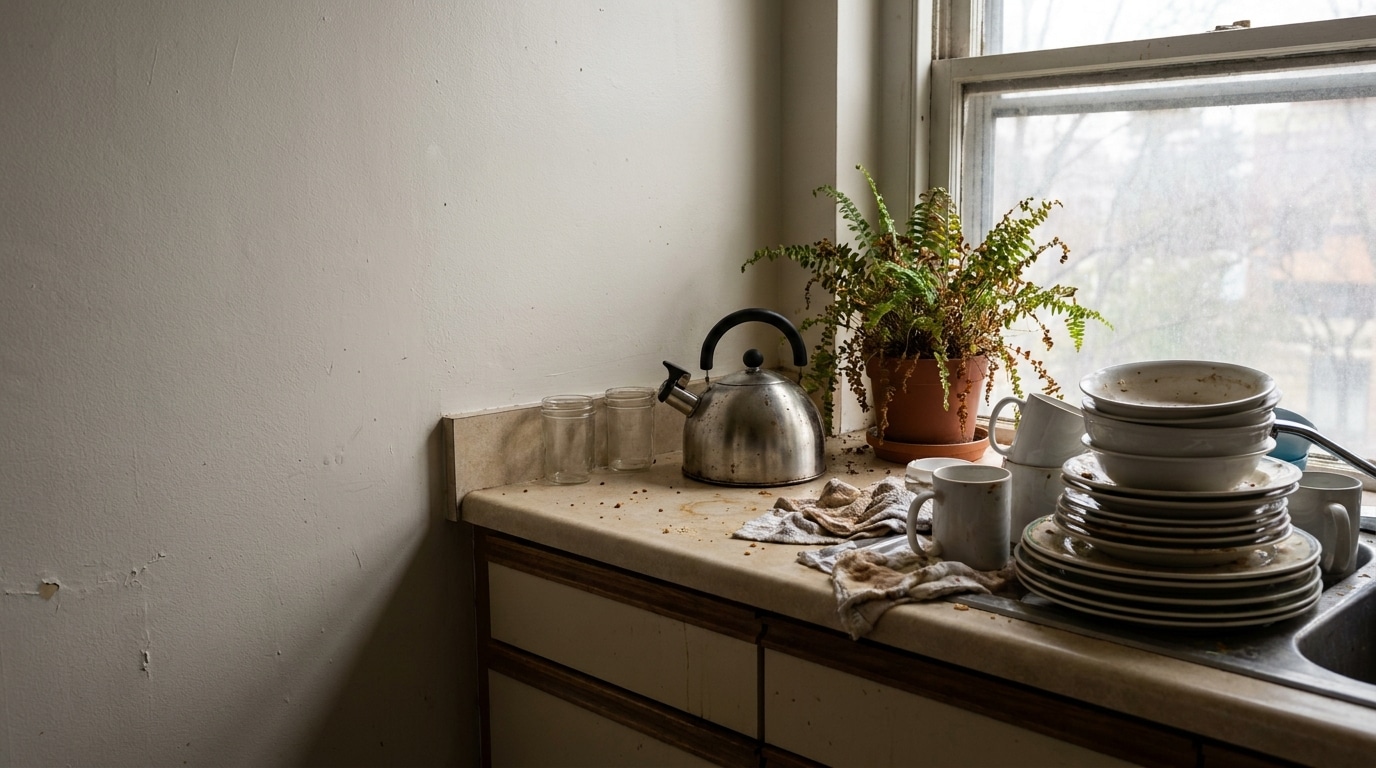
Repeated falls, missed pills, unexplained weight loss, poor hygiene, spoiled food, or unsafe cooking deserve prompt attention. Clutter may increase when fatigue makes household chores difficult. Relatives could notice missed appointments, repeated questions, or confusion on familiar routes. Several changes occurring together may show that independent housing no longer offers adequate protection or practical assistance.
When Might Memory Support Be Needed?
Mild memory loss may be well-suited to a residence offering reminders, predictable routines, and staff observation. Wandering, aggression, severe disorientation, or repeated unsafe decisions can require a secured memory care program. Cognitive changes deserve medical evaluation because infection, medication effects, depression, and dehydration can produce similar symptoms. Accurate diagnosis helps match supervision with actual risk.
When Is Nursing Care Required?
Complex wounds, frequent injections, advanced swallowing problems, unstable medical conditions, or extensive cognitive decline may exceed assisted living services. Nursing facilities provide more intensive clinical attention and continuous monitoring. A transfer does not indicate failure. It reflects a change in health needs. Care teams should explain the reason, timing, treatment goals, and available options.
How Is Eligibility Decided?
An admission review commonly includes medical records, prescriptions, mobility, cognition, personal care needs, and emergency history. Staff may request a physician evaluation or complete an in-person assessment. State rules and provider policies vary. Families should ask which services are included, which conditions cannot be managed, and how staff reassess residents after arrival.
Paying for Residential Assistance
Medicare generally does not pay for room, meals, or routine assisted living services. It may cover certain short-term skilled services after qualifying medical events. Medicaid programs differ by state, and some waivers help fund personal care while excluding housing expenses. Savings, pensions, long-term care insurance, veterans’ benefits, and home-sale proceeds may contribute to payment planning.
Questions Families Must Ask
Families should ask about staffing ratios, response times, medication administration, emergency procedures, meals, transportation, and visiting policies. A tour can reveal cleanliness, noise levels, staff conduct, and resident participation. Written pricing should separate base fees, care charges, deposits, and possible increases. Relatives should ask how the provider responds to changing needs or hospital returns.
How to Prepare for a Care Assessment?
A useful assessment begins with a factual record of current routines. Families can list falls, medication errors, missed meals, changes in sleep, and assistance required during bathing or dressing. Medical records, prescriptions, advance directives, and emergency contacts should remain accessible. Honest information helps staff recommend suitable services without overstating independence or minimizing danger.
Conclusion
Assisted living often suits an older adult who needs regular help with personal routines but remains medically stable and does not require continuous skilled nursing. Falls, missed medicine, isolation, and caregiver exhaustion deserve timely review. Memory support or nursing care may become necessary as cognition and physical health change. Comparing assessments, services, fees, and future policies helps families select a safe setting that respects dignity, autonomy, and personal preferences.