

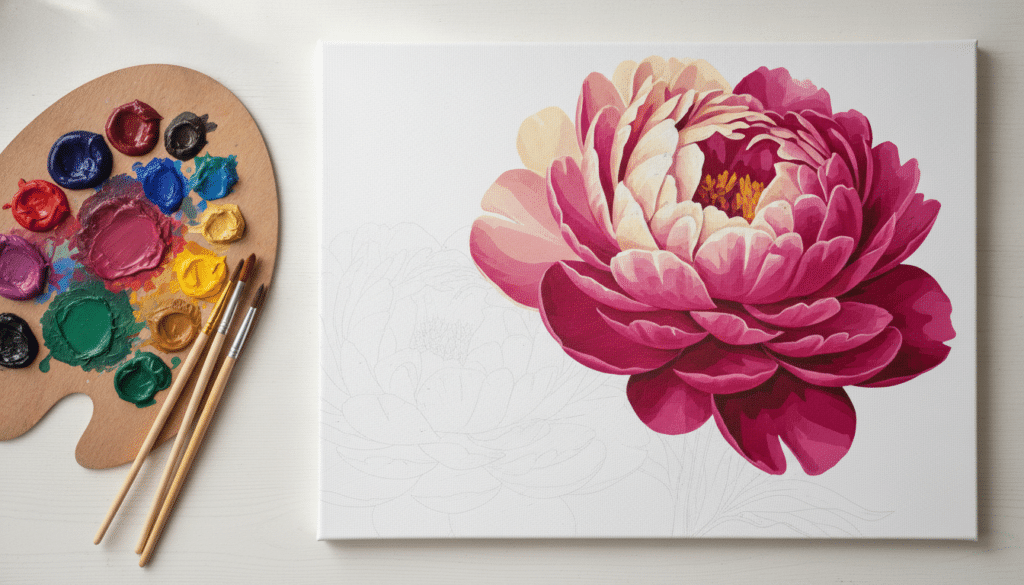
Some hobbies take years to master. Paint by numbers isn’t one of them, and that’s exactly the point. You get a pre-printed canvas, a set of numbered paints, and a clear path toward something you’d genuinely want to hang on your wall.
But the theme you choose matters more than most beginners expect. Here are six of the most beautiful paint by numbers themes to try, each one suited to a different mood, skill level, or home aesthetic.
Nature and Landscapes
Landscape scenes are one of the most popular starting points, and honestly, it’s not hard to see why. Large color blocks for sky and earth keep things approachable early on, while fine detail in trees, mountains, or rolling fields gives you something to work toward as your brush control gets better.
DIY paint by numbers kits in this category cover everything from misty forest paths to desert canyons bathed in late-afternoon sun; the color palettes tend to be rich without feeling overwhelming. The numbered zones translate naturally to the way light and shadow move across outdoor scenes, you don’t have to guess where the golden hour ends and the darkness begins. The canvas tells you. What you bring is patience and a steady hand, and what you get back tends to look far more advanced than the effort you actually put in.
Animals and Wildlife
Few finished paintings pull as many compliments as a well-executed animal portrait. A lion mid-roar, a fox curled in fall leaves, a humpback whale suspended in deep blue water, wildlife themes carry a natural drama that jumps straight off the canvas. The catch is that fur, feathers, and scales demand short, deliberate brushstrokes to build convincing texture. You’ll often work with four or five nearly identical shades of brown or gray, placed carefully enough to suggest real depth. That sounds tedious. It isn’t, it’s meditative.
Each section you finish makes the animal come more alive. Start with something you genuinely care about. If owls have always caught your eye, paint an owl, personal connection carries you through the trickier passages, and it makes the finished piece feel like yours in a way a randomly chosen subject never quite does.
Floral and Botanical Art
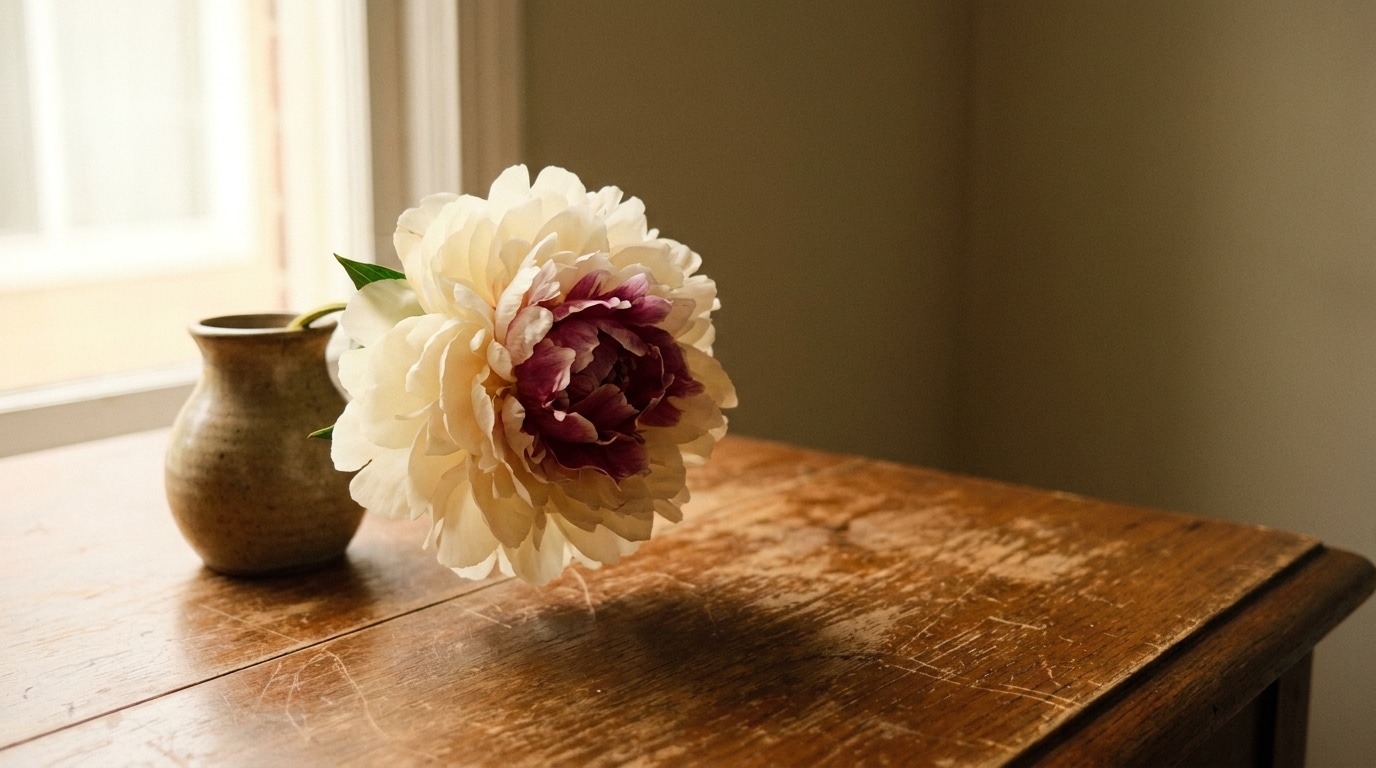
Flowers deceive. They look simple at a glance, but botanical themes are actually some of the most technically satisfying subjects in this format. A peony in full bloom can involve dozens of numbered zones running from cream white at the outer petals down to deep magenta at the center, and the gradations are subtle enough that placing each color correctly produces a three-dimensional softness that genuinely surprises first-time painters. Beyond the satisfaction of finishing, botanical kits tend to look elegant framed. They have staying power as wall art in a way not every subject does.
Roses, dahlias, cherry blossoms, and lavender fields rank among the most requested themes. The color combinations lean warm and bright. Finished canvases lighten up whatever room they end up in, but unlike some subjects that only hold up from a distance, floral paintings reward close inspection, guests will lean in, and you can point out every petal you placed yourself.
Famous Artworks and Masterpiece Reproductions
Recreating a famous painting gives the whole project a different kind of weight. You’re not just making something pretty. You’re working through the same visual problem that Van Gogh or Monet or Klimt once solved, just with a numbered guide rather than pure instinct, and Starry Night, Water Lilies, The Kiss, and Girl with a Pearl Earring each teach you something distinct about how master painters used color and form.
Van Gogh’s swirling skies train you to follow directional brushwork. Monet’s lily pads show you how broken color creates the illusion of movement. You don’t need an art history background to feel what’s happening as you paint, the kit walks you through it stroke by stroke. The finished piece is also a natural conversation starter, especially somewhere guests will see it. It signals that you made this yourself. That’s genuinely impressive.
Seascapes and Coastal Scenes
Coastal art never really falls out of fashion. Seascapes carry a built-in calm, waves, cliffs, lighthouses, sailboats at golden hour, tidal pools catching the last light of the day, and these subjects feel peaceful before you’ve even picked up a brush. Paint by numbers seascape kits are particularly satisfying because open water is notoriously hard to paint freehand, yet the numbered format breaks it into workable sections of blue, green, white, and gray that layer together into convincing movement.
The result looks technically demanding. It didn’t require years of practice to get there. Coastal themes also pair well with a surprisingly wide range of interior styles, from beach-house casual to clean and modern, and a large-format seascape in blues and creams can anchor an entire living room wall. Start here if you want a statement piece and you’re still building confidence as a painter.
Abstract and Geometric Designs
Abstract themes break the rules. In the best way. There’s no recognizable subject to get right, no pressure to make fur look like fur or water look like water, instead, you focus entirely on color relationships and pattern. Geometric kits often feature bold, angular shapes in high-contrast palettes: deep navy against burnt orange, forest green against blush pink, black against gold. The results look modern and purposeful, like something you’d find in a design-forward gallery.
Abstract paint by numbers kits tend to finish faster than representational subjects, since the zones are larger and the transitions less fiddly. Fast and genuinely fun. That makes them a smart pick when you want the satisfaction of a completed canvas without a multi-week commitment, and they’re also ideal gifts for people who haven’t quite figured out their own decorating style yet, abstract art fits almost any space without clashing. Bold, graphic, impossible to get wrong.
Conclusion
The truth is, the most beautiful paint by numbers themes to try are simply the ones that match what you actually want on your wall. Start with a subject that excites you, whether that’s a sweeping mountain scene or an abstract burst of color, and the process takes care of itself. Each kit builds skills you’ll carry into the next one. The only real mistake is picking a theme you feel neutral about. Choose something you love, and paint it.