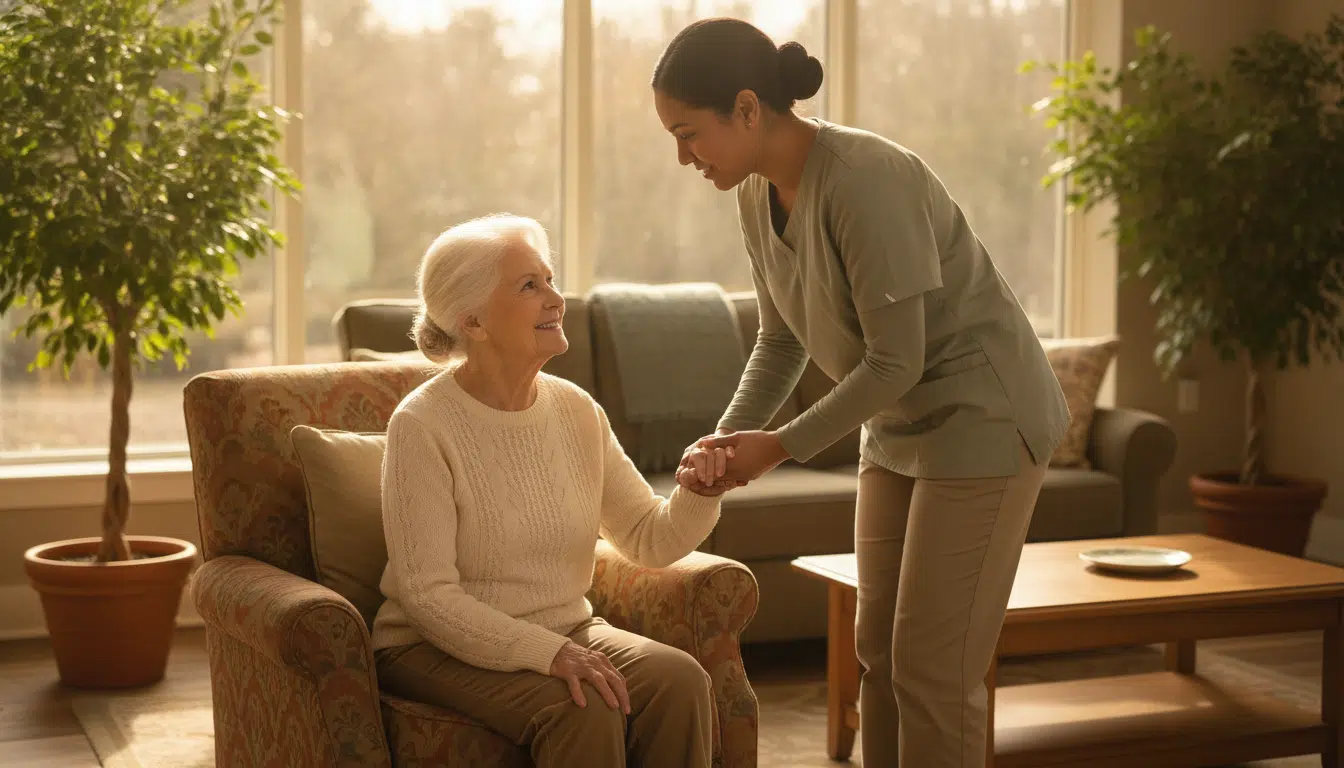

As people grow older, they may need help managing transportation, meals, medications, and household responsibilities. Assisted living brings those needs into one coordinated setting while preserving privacy and personal choice. Residents may receive help with bathing, dressing, mobility, or medication reminders without giving up control over everyday decisions. Families gain clearer communication, dependable supervision, and greater peace of mind. The strongest communities combine clinical awareness with warmth, helping older adults maintain purpose, dignity, and meaningful relationships.
Choosing a Supportive Senior Residence
Families comparing care settings often examine location, apartment size, staffing, dining, transportation, and emergency procedures. A nearby residence can make visits easier and help preserve familiar medical relationships. For households researching assisted living in San Jose, CA, proximity may also simplify appointments, errands, and family involvement. Touring several communities lets relatives assess cleanliness, staff communication, resident activity, and overall comfort before deciding.
A Home With Helpful Services
A comfortable residence reduces chores that consume energy or create safety concerns. Staff can handle housekeeping, laundry, maintenance, and utility arrangements, giving residents more time for rest and personal interests. Apartment choices may include alcove, one-bedroom, or two-bedroom layouts. Private space supports familiar furniture, quiet routines, hobbies, and visits with relatives. Practical assistance should add comfort without making the residence feel institutional.
Community Creates Connection
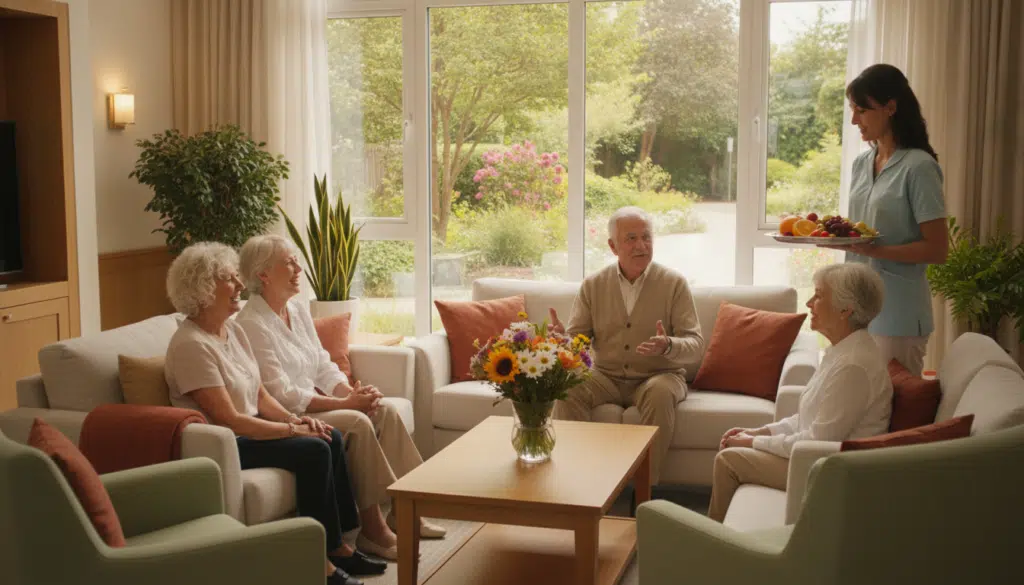
Frequent social contact can support emotional health and reduce loneliness. Activity calendars may include strength exercises, music, educational talks, art sessions, celebrations, and shared meals. Smaller gatherings suit people who prefer calm conversation, while larger events appeal to more outgoing personalities. Varied opportunities help neighbors form relationships naturally. Meaningful connection often develops through repeated, ordinary moments rather than scheduled entertainment alone.
Daily Choices Remain Personal
Competent assisted living supports independence instead of replacing it. Residents can select clothing, meal times, activities, visitors, and personal routines. Staff assistance becomes available when bathing, dressing, medication management, or walking presents difficulty. This approach respects established habits while addressing changing abilities. Preserving choice can protect self-esteem, reinforce identity, and encourage participation in health and lifestyle decisions.
Care That Adjusts With Need
Health requirements may shift after an illness, injury, or change in mobility. Flexible services let care plans adapt without unnecessary disruption. Around-the-clock personnel and emergency call systems provide access to immediate help. Memory care communities can also support people experiencing cognitive changes. Person-centered care considers medical history, abilities, preferences, communication style, and familiar routines. Regular observations help staff share timely updates with family members.
Meals, Wellness, and Movement
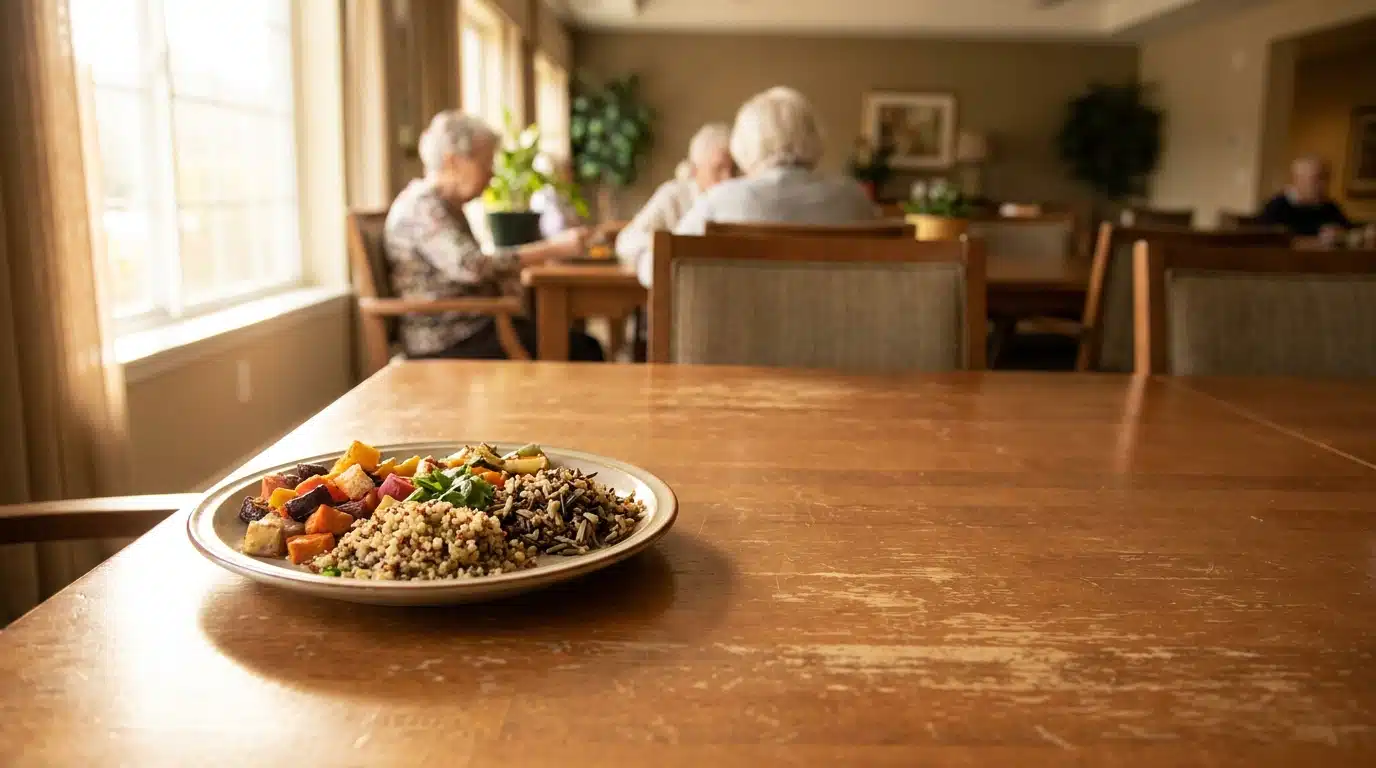
Nutritious meals support energy, muscle maintenance, and medication tolerance. Restaurant-style dining offers variety without grocery shopping, cooking, or cleanup. Fitness programs may include balance work, stretching, walking, and chair-based movement. Physical therapy can address weakness, gait changes, or recovery after hospitalization. Transportation also helps residents reach medical appointments, pharmacies, cultural activities, and essential services beyond the residence.
Safety Supports Peace of Mind
A secure setting helps reduce preventable household hazards. Handrails, accessible bathrooms, clear walkways, emergency response systems, and trained personnel address common risks. Staff should respond respectfully, preserving privacy during personal care or urgent assistance. Families can ask how a residence manages falls, nighttime needs, medication concerns, and sudden health changes. Specific answers reveal whether safety procedures are practiced, documented, and communicated consistently.
A Welcoming San Jose Setting
A residence near Martial Cottle Park gives residents access to open views and outdoor visits. Its location near SR-87 and US-101 can simplify travel across the South Bay Area. Nearby medical offices, shops, restaurants, and cultural destinations add practical convenience. Pet-friendly policies may also help older adults keep cherished companions, protecting an important source of routine, affection, and emotional comfort.
Questions Families Should Ask
A careful visit reveals details that brochures cannot show. Families should observe cleanliness, staff interactions, meal presentation, noise levels, and resident engagement. Practical questions cover monthly fees, care assessments, staffing patterns, transportation, apartment availability, and emergency response. Relatives can also ask residents about ordinary routines and favorite activities. Firsthand comments often clarify whether a setting feels calm, respectful, active, and suitable.
Conclusion
Assisted living can unite private housing, personal care, nutritious dining, wellness programs, transportation, and social contact in one setting. Residents receive practical help while continuing to choose routines, relationships, and interests. Families gain reliable communication and added reassurance as needs change. A thoughtful evaluation should include tours, direct questions, and attention to staff behavior. The right residence can support safety, dignity, companionship, and satisfying everyday experiences.