
Burnout can turn ordinary responsibilities into exhausting demands. It often develops gradually as prolonged stress reduces energy, concentration, patience, and interest in work or daily life.
Neglecting these signs can worsen the problem, while occasional breaks may only offer short-term relief.
If you’re thinking about how to recover from burnout, it typically takes proper rest, attainable workload changes, healthy relationships, and possibly professional help.
Continue reading to learn how small, practical changes can restore energy, improve daily function, and support lasting recovery safely.
What is Burnout?
Burnout is a state of physical and emotional exhaustion that develops when work stress builds up over time without proper relief.
It is not the same as feeling tired after a long day. Instead, it forms gradually as ongoing pressure wears down a person’s energy, focus, and motivation.
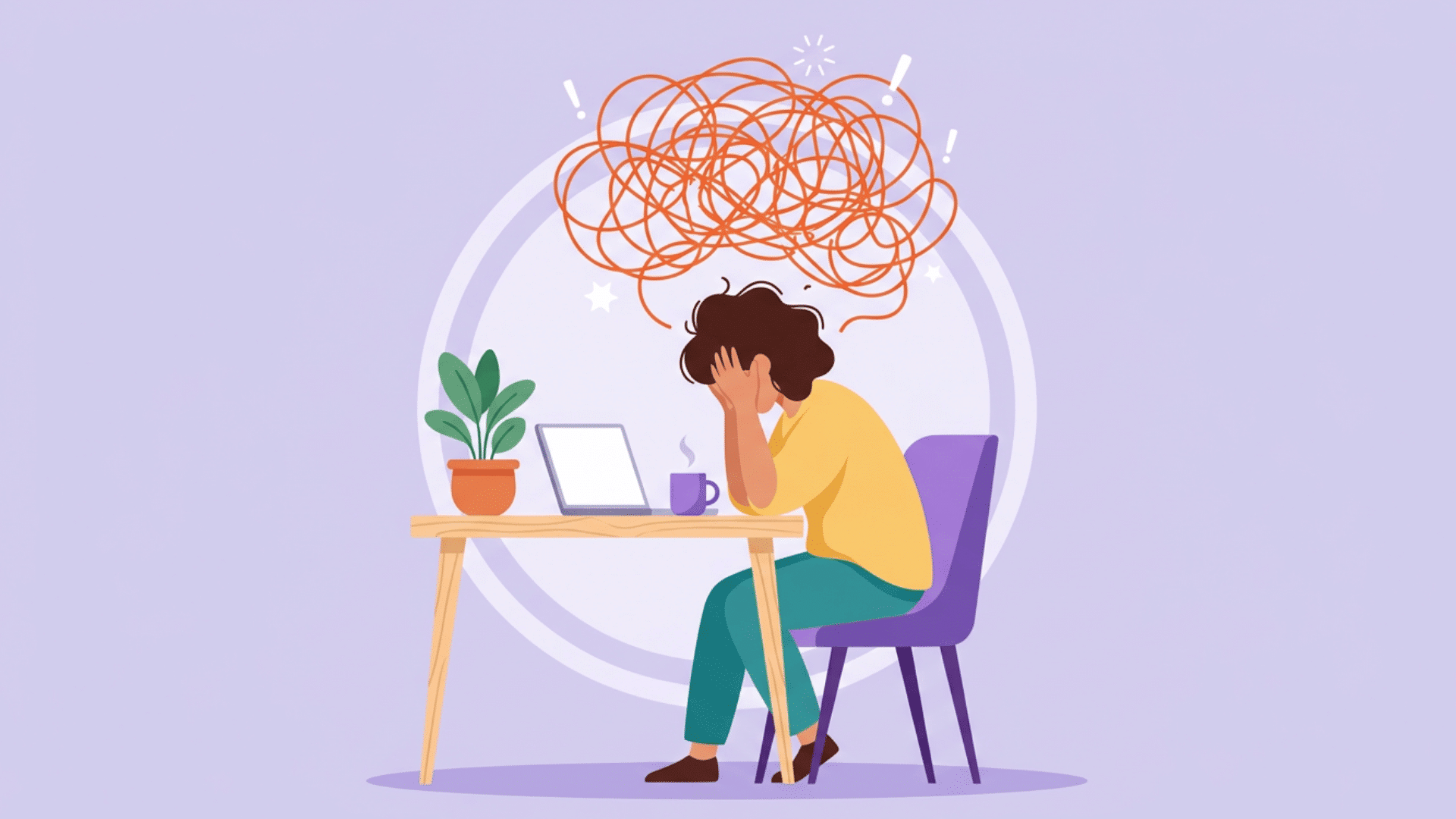
Common signs include constant tiredness, growing detachment from work, and a noticeable drop in efficiency. Someone experiencing burnout may also feel cynical about their job or struggle to concentrate.
Burnout is not simply laziness, low motivation, or ordinary fatigue. According to the National Institute for Occupational Safety and Health, job stress can occur when work requirements do not match a worker’s abilities or needs.
What Are The Causes of Burnout?
Burnout rarely comes from a single event. It usually builds from several overlapping pressures at work or in daily responsibilities.
1. Overload: Carrying more tasks than time or energy allows leaves little room for rest, letting exhaustion build up over time and linger.
2. Low Control: Having little say over schedules or decisions can leave even capable people feeling powerless and stuck at their own work.
3. Low Recognition: When consistent effort goes unnoticed or unrewarded, motivation gradually fades and manageable tasks start to feel pointless.
4. Weak Community: Limited support from colleagues, plus unresolved conflict, can turn everyday interactions into an added source of strain.
5. Mismatched Values: Working somewhere that conflicts with personal principles or goals creates ongoing tension that slowly drains
How to Recover From Burnout Step by Step
Stabilization is the first stage of a systematic process, and then reducing stress exposure follows it.
1. Identify The Main Sources of Strain
Identifying the root cause of stress is the first step toward combating burnout.
A short stress diary can help; write down the tasks, activities, disagreements, disturbances, and physical reactions that trigger tension throughout the day.
A pattern usually emerges within one or two weeks, such as tiredness following late meetings or unclear assignments.
2. Reduce Demands Before Adding New Habits
The remedy for burnout is not adding more to an already full plate, but decreasing existing stress before introducing meditation, exercise, or meal prep.
New habits often fail when layered onto an unsustainable workload, becoming one more obligation instead of relief.
Employees juggling multiple urgent projects should talk to managers about prioritization. Caregivers can arrange help for key tasks during longer recovery periods.
3. Restore Sleep with a Consistent Routine
Sleep loss can increase fatigue, irritability, and concentration problems, making everyday responsibilities harder to manage.
According to the National Heart & Lung Institute, adults need seven to nine hours of sleep.
Practical steps include waking up at a consistent time, limiting screen exposure before bed, and avoiding caffeine late in the day.
4. Resume Physical Activity Gradually
Exercise can support better sleep and overall well-being without becoming another demanding goal during recovery.
Those experiencing extreme exhaustion can start small, with something as simple as a ten-minute walk or light stretching.
Activity levels can increase gradually as energy returns, making regular movement easier to sustain. In recovering from burnout, steady participation matters more than reaching weekly exercise targets immediately.
5. Set Clear Work and Communication Boundaries
Clear boundaries reduce repeated stress by separating working hours from personal time, rest, and recovery.
Practical measures include disabling nonessential alerts, protecting meal breaks, and reviewing messages during scheduled periods.
Employees should clarify their time frame for considering new requests and define which situations count as emergencies.
6. Rebuild Support and Meaning
Burnout often causes withdrawal, right when contact with trusted relatives, friends, or colleagues could provide real support.
Practical help and honest conversations can reduce isolation, making difficult responsibilities feel more manageable.
As people recover from burnout, these relationships help rebuild identity beyond responsibilities and achievements.
Signs That Burnout Recovery May Be Needed
Burnout can affect thoughts, emotions, behavior, and the body. Its signs may build slowly, making early recognition difficult.
| Area | Possible warning signs | Pattern worth noting |
|---|---|---|
| Physical | Constant fatigue, headaches, poor sleep, muscle tension | Rest brings little improvement |
| Emotional | Irritation, numbness, frustration | Reactions feel stronger than usual |
| Cognitive | Poor focus, forgetfulness, slow decisions | Routine tasks require more effort |
| Behavioral | Withdrawal, delay, neglecting obligations | Helpful routines begin to disappear |
| Work-related | Skepticism, dissatisfaction, decrease in production | Detachment grows around work demands |
How Long Does Burnout Recovery Take?
There is no universal timeline for burnout recovery because each person’s stressors, symptoms, responsibilities, resources, and support system differ.
Improvement can take weeks or even months, depending on whether financial strain, health issues, or the initial cause of stress persists.
Progress could mean improved sleep habits, better concentration, fewer physical signs of stress, and increased interest in daily life.
Energy and motivation may return unevenly, so one tiring week does not mean the recovery process has failed.
Weekly tracking of sleep, enjoyment and work hours can reveal whether workload changes or professional support are needed.
When Professional Help is Appropriate
Professional help is needed if the signs and symptoms of exhaustion continue, worsen, or affect sleep or self-care.
The primary care professional can evaluate ongoing fatigue, drug side effects, and other medical problems that can mimic burnout.
Consider mental health care if hopelessness, poor concentration, or difficulty managing routine responsibilities lasts two weeks or longer.
Thoughts of suicide or self-harm require urgent assistance through 988 or emergency services. Burnout and depression may occur together and require careful assessment.
Disclaimer: This article provides general information and does not replace diagnosis, treatment, or personalized advice from a qualified health care professional.
Key Actions for Sustainable Burnout Recovery
The following actions support recovery from burnout without turning recovery into another demanding project.
1. Reduce Recurring Strain: Identify one repeated source of pressure, then remove or renegotiate it to create immediate space for meaningful recovery.
2. Protect a Regular Sleep Schedule: Keep consistent sleep and wake times and limit caffeine and screen exposure that may interfere with restorative sleep.
3. Break Down Core Tasks: Divide necessary responsibilities into smaller daily actions to reduce overload and make progress easier to notice during periods of low energy.
4. Schedule Communication Breaks: Set fixed periods without emails or work messages so attention and emotional energy have regular opportunities to recover fully.
5. Track Signs of Recovery: Record sleep, concentration, and working hours weekly to identify improvement and patterns requiring further changes or support.
Conclusion
Learning how to recover from burnout becomes more manageable when you treat exhaustion as a signal that demands, habits, or boundaries need attention, not something to push through entirely.
While rest may relieve some pressure, the real key to recovery lies in reducing repeated stress, accepting help, and consulting professionals when symptoms persist.
The next step doesn’t have to be big; recognizing one recurring stressor and making one practical change can start the process.
Progress may be gradual, yet each small adjustment can protect energy and restore lasting stability.
Which strategy from this blog seems most useful, and what barrier could make it difficult? Share your thoughts below.
Frequently Asked Questions
Can Burnout Return After Recovery?
Yes, burnout can return when chronic stressors, excessive workloads, weak boundaries, or limited recovery time remain unchanged for extended periods.
Is Burnout The Same as Ordinary Stress?
No, stress often involves excessive pressure, while burnout commonly includes exhaustion, detachment, reduced motivation, and declining effectiveness over time.
Can a Vacation Cure Burnout?
A vacation may provide temporary relief, but recovery usually requires changes to ongoing workloads, boundaries, routines, and sources of stress.